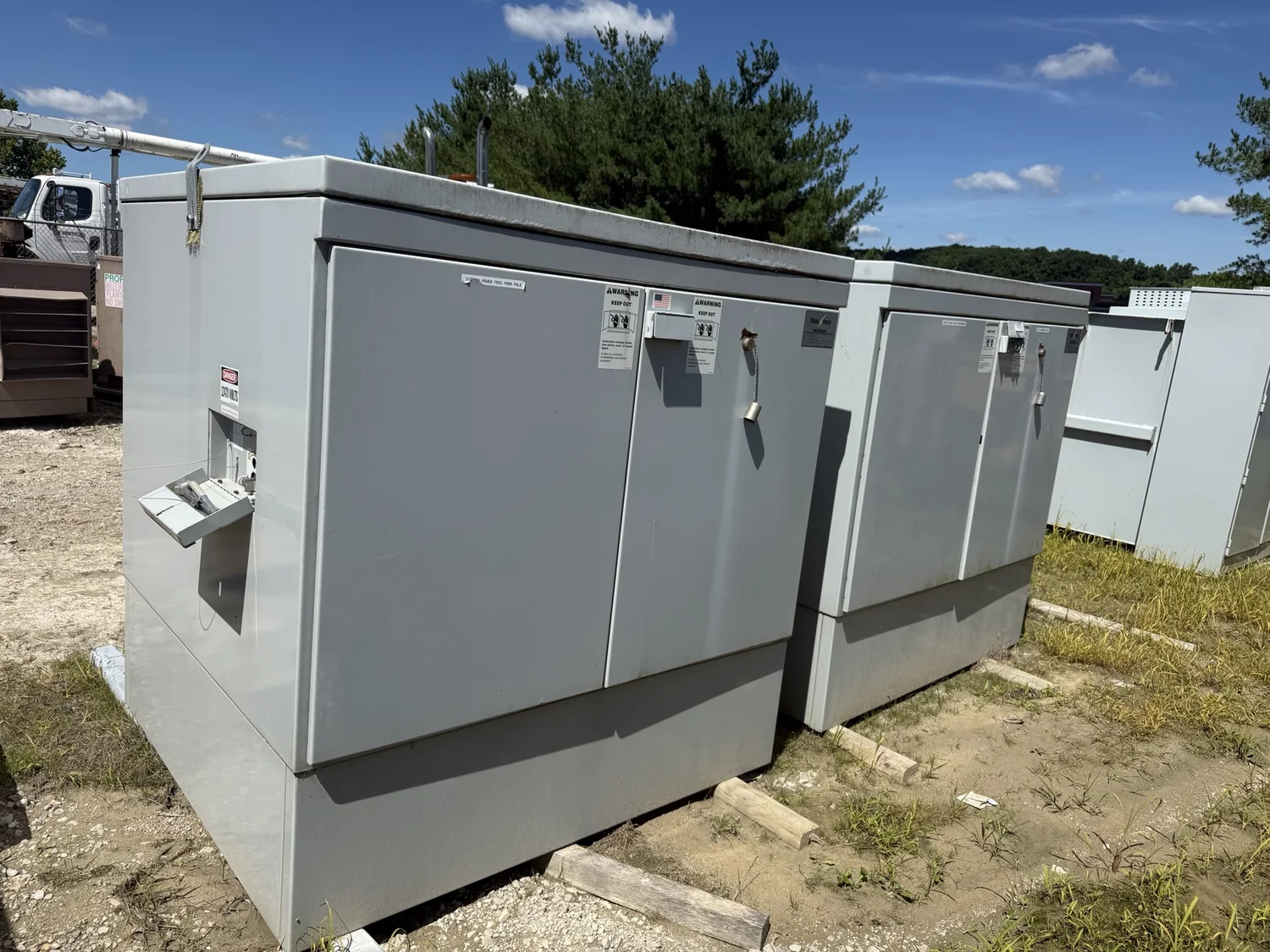
240V Switchgear Removal Guide for Sellers
Selling switchgear identified as 240V begins with a clear description of the equipment and the conditions for removing it. A voltage label alone does not establish the lineup’s full configuration, condition, completeness, or removal requirements, so avoid treating the label as a complete technical specification. This guide is for facility owners, contractors, and other parties arranging a sale in Washington, DC, Northern Virginia, or Maryland. The buyer purchases equipment; it does not sell switchgear or provide electrical service work.
The buyer can consider equipment across all voltage classes and may make a cash offer after reviewing the available information. No testing is required from the seller. If an offer is accepted, payment is arranged upfront, with the payment process and removal responsibilities confirmed before work is scheduled. A final price cannot be responsibly set from “240V” alone; the equipment, ownership, completeness, site conditions, and proposed scope all require review.
Prepare Equipment Information Before Requesting an Offer
Start with clear, current photographs. Useful views include the overall lineup from the front, each section, visible nameplates, labels, breakers or other major components, and the surrounding area where the equipment will be removed. Photograph identifying details legibly, but do not open energized compartments or remove covers to obtain images. Any access to electrical equipment must follow the facility’s safety procedures and be handled by qualified personnel where required.
Provide the nameplate information that is visible and available, along with the lineup’s approximate overall length, height, and depth. Note the number of sections and any known ratings or configuration details shown on documentation or labels; do not infer missing specifications. Dimensions help establish whether equipment can pass through doors, corridors, loading areas, or other site routes. If measurements are approximate, say so. Include any known changes to the lineup, missing sections, removed components, or accessories that will not be included in the sale.
Describe what is included in the proposed sale. For example, clarify whether the equipment is being offered as a complete lineup or as selected sections, and identify any components that are absent or being retained. Share available records that help establish identity and scope, but do not delay an initial inquiry if documentation is incomplete. Clear photos, nameplates, dimensions, and a straightforward description let the buyer assess what follow-up information is needed without requiring the seller to test the equipment.
Confirm Ownership, Authority, and Site Access
Before setting a removal scope, establish who owns the switchgear and who is authorized to approve its sale and release. If equipment belongs to a landlord, tenant, utility, lender, contractor, or another party, clarify the relevant approval and handoff arrangements. The buyer needs enough information to understand that the seller can transfer the asset and that the equipment being identified is the equipment being offered. Do not assume that possession of equipment alone establishes authority to sell it.
Access details can be just as important as electrical details. Explain where the lineup is located, whether it is indoors or outdoors, the route from its present position to the loading point, and any known constraints such as stairs, narrow turns, low clearances, restricted delivery hours, security check-in, or shared loading areas. For sites in the DC region, scheduling may need coordination among facility representatives, property management, contractors, and building or site operations. These are planning considerations, not assumptions about any particular facility.
Share the site contact, available access windows, expected outage or work windows, and any site-specific coordination requirements that are known. Describe whether there are restrictions on vehicle access or staging, and whether the equipment is installed in a space that will remain occupied or in use. The buyer and seller should confirm the practical scope and responsibilities before removal is scheduled; access, timing, and arrangements remain project-specific.
Plan Disconnection and Removal Safely
Electrical disconnection is not a task for unqualified personnel. De-energization, isolation, verification, and disconnect work must be performed by qualified personnel under the facility’s safety procedures and applicable project requirements. Coordinate the work with the responsible site personnel, including the required outage window and any operational approvals. The buyer does not ask the seller to test the switchgear as a condition of making an offer, and a seller should not energize, operate, or dismantle equipment merely to prepare it for sale.
Removal planning should account for the lineup’s dimensions, weight information if available, lifting points or handling instructions if documented, and the path from the installed position to the loading area. The parties should discuss whether connected bus, conduit, cables, anchoring, adjacent equipment, or building features affect access or removal. Do not assume these items can be moved, cut, or altered without authorization. If weight or handling information is not known, identify that uncertainty so the project scope can be reviewed rather than guessed.
The buyer handles crane, rigging, disconnects, loading, freight, and hauling, subject to project arrangements and site access. Confirm the division of responsibilities, sequence, timing, and access requirements before removal. The buyer’s role does not make it appropriate for unqualified staff to disconnect or handle electrical equipment; qualified personnel and site coordination remain essential. Any crane or rigging plan must be based on the actual equipment and conditions, not solely on a voltage label or a photograph.
Review the Offer and Agree on Responsibilities
Send the information together where practical: clear equipment and nameplate photos, approximate lineup dimensions, a description of completeness, ownership and authorization details, and site-access and removal constraints. Mention the Washington, DC, Northern Virginia, or Maryland site location at the outset so travel, access, and scheduling can be considered without implying that the buyer has a local office. If the equipment is part of a larger project, explain the relevant timing and who will coordinate with facility operations.
After reviewing the available details, the buyer can determine whether to make an offer and what additional information is needed to define the project. An offer is not a guaranteed outcome or a substitute for a site-specific review. Before acceptance and scheduling, make sure the parties understand what equipment is included, how payment will be arranged, the expected timing, access arrangements, and the removal scope. If an offer is accepted, payment is arranged upfront; the buyer pays crane, rigging, loading, freight, and hauling costs, with responsibilities and any project-specific arrangements confirmed before removal.
A careful handoff reduces avoidable delays: identify the equipment consistently in photos and records, disclose known missing components or access restrictions, secure the required ownership approval, and coordinate qualified-personnel disconnect work with the site’s outage procedures. These practical steps give the buyer a sound basis to evaluate the asset and plan logistics while keeping the seller’s role clear: provide accurate information, confirm authority and access, and coordinate the project—not perform unqualified electrical work.