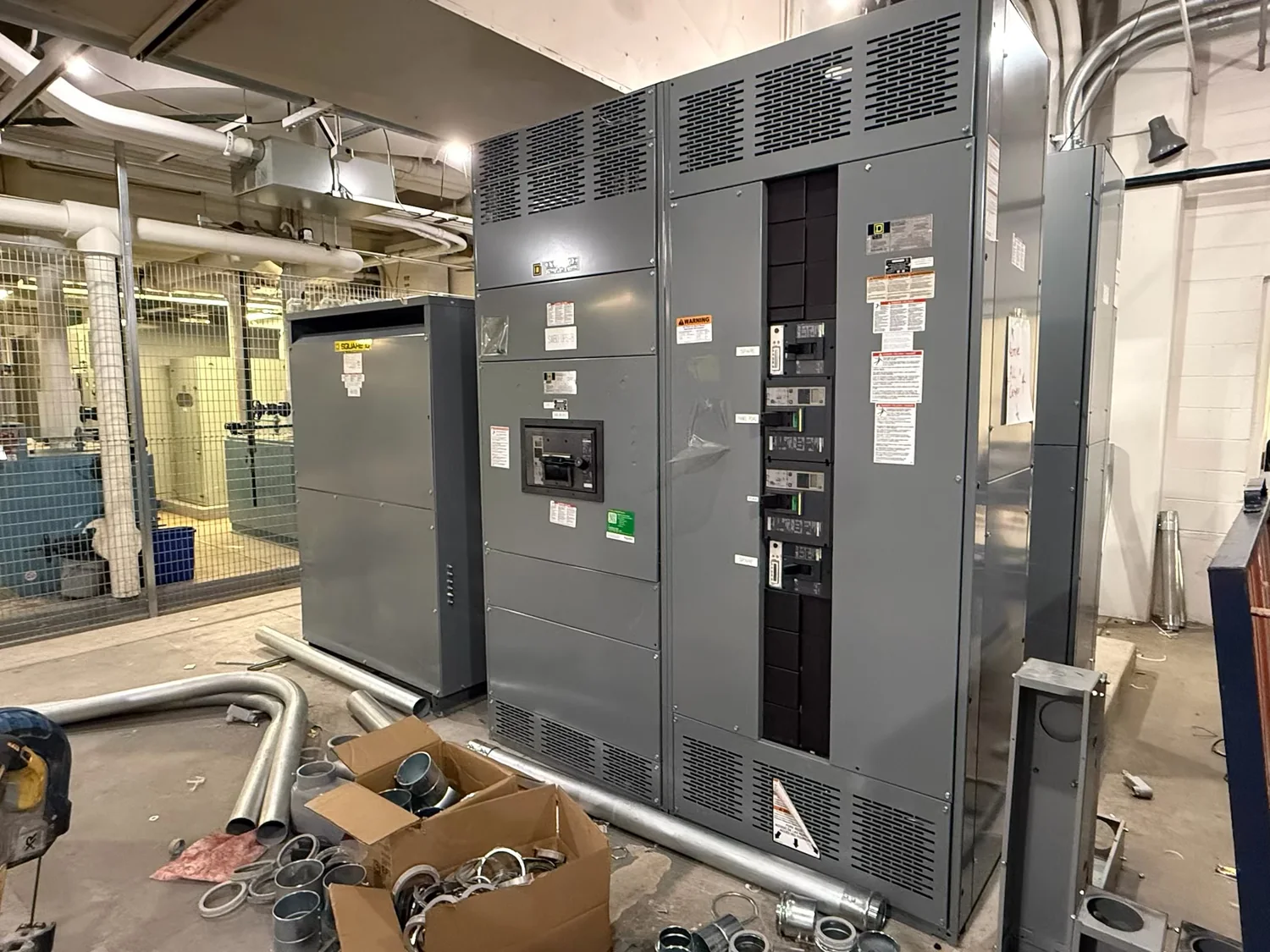
4.16kV Switchgear Removal: Plan the Sale Before the Outage
If you own switchgear identified as 4.16kV and are considering removal, begin with a clear description of the equipment and the site conditions—not assumptions about its design or value. The voltage marking is a useful identifier, but it does not by itself establish the lineup’s configuration, condition, completeness, or removal requirements. Those details affect whether the equipment can be considered and what planning may be needed.
This guide is for sellers in Washington, DC, Northern Virginia, and Maryland who want to arrange disposition while coordinating an operational facility, contractor schedule, or planned outage. The buyer purchases equipment only; it does not sell replacement gear. A review may lead to a cash offer, but no final price can be set from the voltage designation alone. The buyer pays upfront when an offer is accepted, with responsibilities and timing confirmed before removal.
Start With Photos, Nameplates, and Lineup Dimensions
Send clear, well-lit photographs of the complete lineup, its front and rear where accessible, visible sections, and any obvious damage or missing components. Close-up images of each available nameplate can help identify manufacturer, model, serial information, ratings, and other markings without relying on a broad category label. Do not remove covers or approach energized equipment to obtain photos; have site personnel follow facility rules and use qualified staff where access requires it.
Include approximate overall lineup dimensions: length, height, depth, and, if known, the dimensions and weight of individual sections. Note how many sections are present and whether doors, breakers, compartments, bus components, control equipment, or other parts are included. Completeness matters because a lineup described as one asset may have accessories or sections stored separately, or may be missing components. Report what is known and flag anything uncertain rather than guessing.
If practical, share photos that show the route from the equipment to the loading area, including doorways, corridors, turns, stairs, elevators, floor transitions, and exterior access. These images are for preliminary planning, not a substitute for a site review. Measurements, overhead clearance, floor capacity, and available staging space may require confirmation before a removal plan is agreed.
Confirm Ownership, Scope, and Site Access
Before arranging a sale, establish that the seller has authority to transfer the equipment. Identify the owner of record, the party authorized to approve the sale, and any other organization whose approval may be required. If equipment is part of a lease, financed asset, contractor scope, or facility project, clarify who can authorize disposition. The buyer can review the information provided, but the seller remains responsible for confirming its authority to sell.
Describe the site and access conditions that could shape scheduling: facility hours, required check-in or escorts, security procedures, loading-zone limits, vehicle restrictions, work windows, staging constraints, and any dates when the area must be clear. For Washington, DC, Northern Virginia, and Maryland projects, access and travel logistics vary by facility and route; do not assume a particular building, road, loading dock, or local requirement. Share the actual site constraints so the parties can determine what is workable.
Explain whether the switchgear is installed, stored, or already disconnected, and whether removal includes only the lineup or also associated materials. The buyer handles crane, rigging, disconnects, loading, freight, and hauling, subject to project arrangements and site access. Confirm the scope and division of responsibilities before scheduling. Any necessary site coordination, access approvals, and work windows should be agreed in advance.
Coordinate Disconnection and Removal Safely
A seller does not need to test the switchgear to request consideration. The buyer does not require seller testing, and the seller should not arrange testing solely to submit an inquiry unless it has a separate operational or business reason. If records already exist, such as an equipment schedule or prior documentation, they may help describe the asset, but their absence does not replace the requested visual and identification information.
De-energization, isolation, and disconnect work must be performed by qualified personnel under the facility’s safety, outage, and work-control procedures. Do not ask unqualified staff to disconnect, open, move, or handle electrical equipment. The buyer’s responsibility for disconnects is subject to the project arrangement and site access; it does not authorize work that conflicts with the site’s procedures or replace coordination with the facility’s qualified personnel. Agree who will perform each task, when access is available, and what approvals are needed before work begins.
Removal planning may depend on how the lineup is anchored, how sections can be separated, the path from its present location, overhead or doorway clearance, and whether a crane or other lifting arrangement can reach the equipment. These points should be reviewed for the specific site rather than inferred from a voltage label. Identify any known restrictions, including limited access, occupied areas, sensitive floors, restricted work hours, or a required outage window. Do not promise a removal date until scope, access, and responsibilities have been reviewed.
Offer Review, Payment, and Next Steps
To begin, provide the nameplate photos, overall and detail images, approximate lineup dimensions, known ratings, section count, and a brief description of completeness and condition. Include ownership and authorization details, the equipment’s current location, access information, and known removal constraints. If a rating is unclear, photograph the marking and describe it as shown rather than interpreting it. The buyer considers equipment across all voltage classes, so the stated 4.16kV identification is part of the review rather than a limitation on what may be considered.
After reviewing the available information, the buyer may ask follow-up questions or arrange additional project coordination before making an offer. A cash offer, if made and accepted, is paid upfront. The buyer pays crane, rigging, loading, freight, and hauling costs, with the specific scope and responsibilities confirmed before removal. These arrangements remain subject to project conditions, access, and an agreed schedule; an initial photo review is not a guarantee of an offer, price, or removal date.
A concise, accurate submission can make the next step easier: show the equipment, identify what is included, state what is known about ownership, and explain how the site can be accessed. Keep facility operations and safety procedures central to the schedule. With those basics documented, the parties can assess whether the 4.16kV switchgear is a fit for purchase and develop a practical removal plan for the specific Washington, DC-region site.