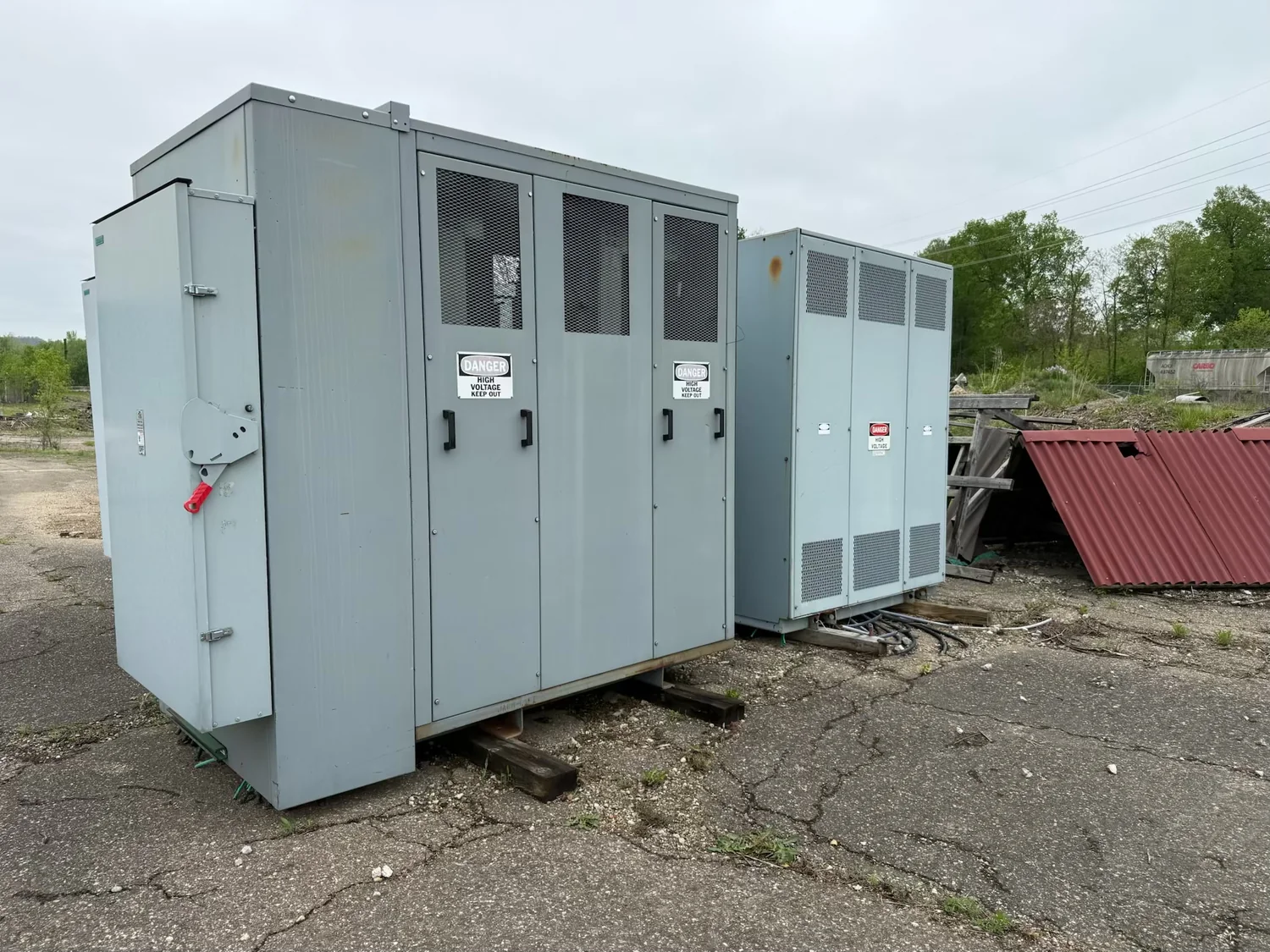
400 Amp Switchgear Removal: Start With the Exact Equipment
Switchgear identified as 400 Amp may be a candidate for removal and sale, but that rating alone does not define the equipment or establish its value. A lineup’s configuration, condition, completeness, electrical characteristics, and removal requirements all affect how a buyer can review it. The practical first step is to document what is actually installed rather than assume specifications from the amp rating or the facility where it is located.
This guide is for owners and authorized representatives planning a sale in Washington, DC, Northern Virginia, or Maryland. The buyer purchases equipment; it does not sell switchgear. It can consider equipment across all voltage classes, and the seller is not required to test the gear. A review of the information and photos helps determine whether the equipment may fit a purchase, but it is not a final offer or a guarantee that a transaction can proceed. Any price depends on the specific equipment and project details after review.
Information to Gather Before Requesting an Offer
Send clear photos of the full lineup and its surroundings, then add closer images of each visible nameplate, section labels, breakers, bus arrangements, doors, and any apparent damage or missing parts. Nameplates can help identify manufacturer, model or type, ratings, and other marked details, but do not infer an unmarked specification or treat a partial label as confirmation. If a nameplate is obscured or unreadable, say so; do not remove covers or expose energized parts to obtain a photograph.
Measure and report the lineup’s overall length, height, and depth, along with the dimensions of individual sections if the lineup has multiple shipping or removal pieces. Note whether sections appear joined, whether there are bus or control connections between sections, and whether accessories, breakers, covers, or other components are included. Describe what is present and what is not, without dismantling the equipment to make the inventory. Completeness matters because a lineup offered as a whole may be reviewed differently from a partial lineup or equipment missing key components.
Include the equipment’s known electrical ratings and configuration only where they are stated on nameplates or reliable records. The 400 Amp identification is useful, but it does not establish voltage, interrupting rating, condition, dimensions, or suitability for another application. No seller testing is required for consideration. If available, existing records such as equipment schedules or prior maintenance documentation may help clarify what is being offered, but do not delay an initial inquiry if those records are unavailable.
Confirm Ownership, Site Access, and Removal Constraints
A buyer needs to know that the person arranging the sale has authority to transfer the equipment. Identify the owner or authorized contact, explain whether the switchgear is still installed or already removed, and state whether other parties must approve its disposition. Share the site location at the level needed to plan the project and describe access conditions that could affect inspection, staging, or removal; a specific facility assumption should never substitute for site information.
For a DC-region project, logistics can vary by building, loading area, street access, operating hours, and the route from the equipment to the loading point. Explain any known restrictions on truck size, parking or staging, dock use, elevators, doorways, corridors, ceiling height, turning space, floor loading, or work windows. If equipment must pass through occupied or controlled areas, mention required coordination or escorts. These details help the parties assess a workable schedule and removal method; they do not establish that any particular access or permit arrangement is available.
Flag site rules, outage windows, safety procedures, required insurance or contractor documentation, and any limits on noise, lifting, or work hours before scheduling. Requirements differ by project and should be confirmed with the site’s responsible personnel. Do not disconnect, move, or open switchgear yourself to prepare it for sale. De-energization, isolation, and disconnect work must be performed by qualified personnel under the site’s safety and outage procedures, with timing and access coordinated for the project.
How Removal, Costs, and Payment Are Coordinated
The buyer handles the removal logistics: crane, rigging, disconnects, loading, freight, and hauling, subject to project arrangements and site access. Responsibilities and the planned scope should be confirmed before removal. In particular, establish what equipment is included, where the buyer’s work begins and ends, who coordinates site access and outage timing, and whether the proposed lifting and transport plan fits the actual route and constraints. The buyer’s responsibility for these logistics does not remove the need for qualified personnel to carry out electrical disconnect work or for the site to coordinate safe access.
A realistic schedule depends on the review, agreement on scope, equipment status, site approvals, qualified electrical work, and availability of access and removal resources. Share deadlines or preferred work windows early, but avoid treating a requested date as confirmed until the project arrangements are agreed. If site conditions, equipment completeness, or the agreed scope change, the parties may need to revisit the plan before proceeding.
The buyer can make a cash offer, and payment is arranged upfront once an offer is accepted. Any offer follows review of the specific equipment and project details; no final price can be established from “400 Amp” alone. The seller should confirm the accepted amount, payment arrangement, equipment included, and removal responsibilities before the work is scheduled. The seller is not asked to pay the buyer’s crane, rigging, loading, freight, or hauling costs under the stated arrangement, while exact project responsibilities remain subject to confirmation.
A Practical Inquiry Checklist for DC-Area Sellers
For an efficient first review, provide the clearest available lineup and nameplate photos; overall and section dimensions; the marked ratings and configuration that can be read; a straightforward account of included, missing, or visibly damaged components; and whether the equipment remains installed. Add ownership or authorization details, site access and staging information, known removal constraints, and any outage or work-window requirements. If something is unknown, label it as unknown rather than guessing.
These details help the buyer decide what additional information is needed and whether to make an offer. They also allow the parties to discuss project-specific removal responsibilities before a crew, lifting equipment, or freight is scheduled. Clear documentation can reduce avoidable follow-up, but it cannot replace a site-specific review or guarantee a purchase, price, schedule, or removal method.
Whether the equipment is in Washington, DC, Northern Virginia, or Maryland, treat the transaction as both an asset review and a coordinated removal project. Keep switchgear in place until the sale and scope are agreed, preserve available identification information, and have the site’s qualified personnel manage any required electrical work. With ownership, equipment details, access, and logistics addressed early, both sides can evaluate the opportunity on the actual lineup rather than an assumed specification.