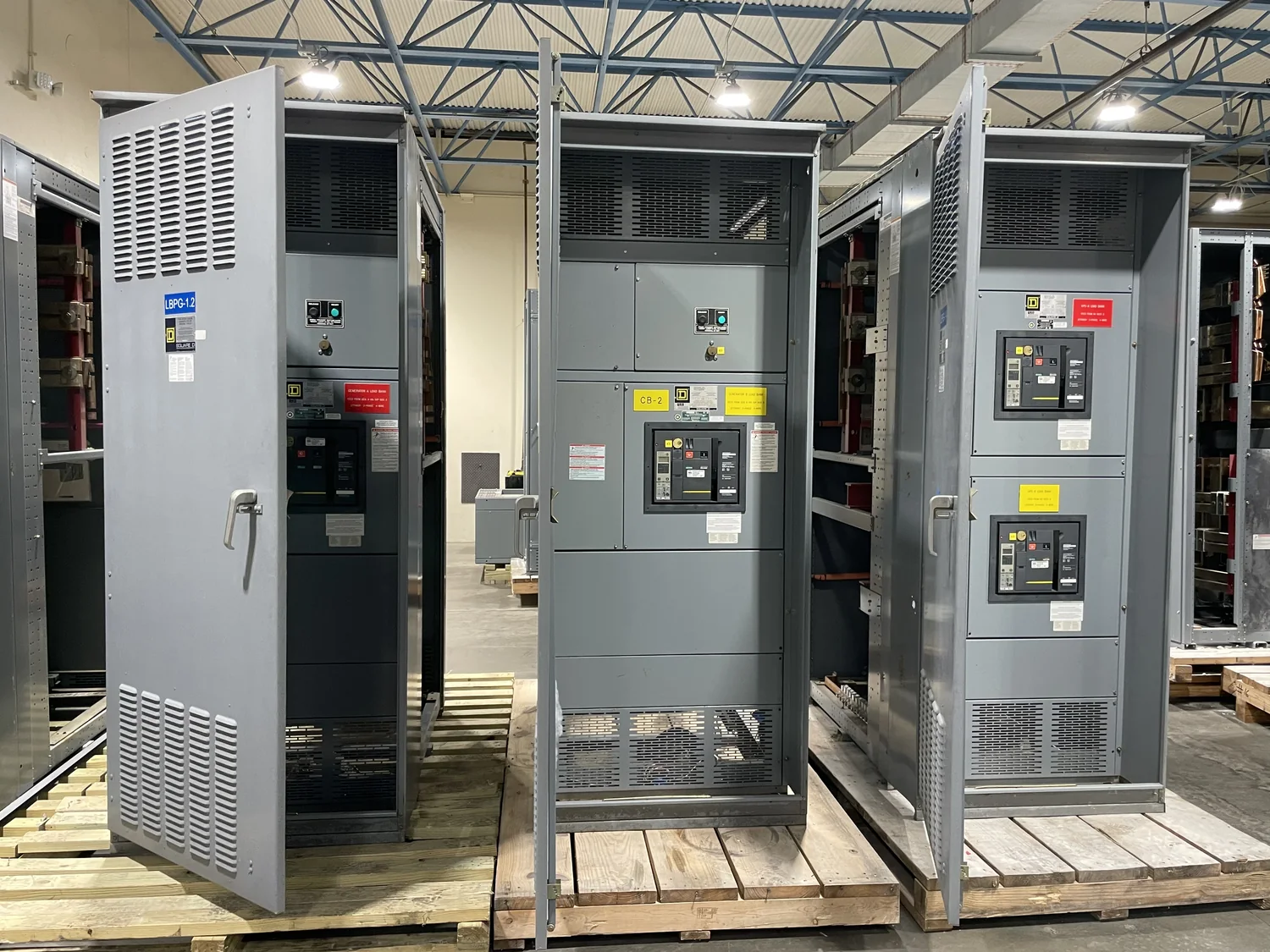
600V Switchgear Removal: Plan the Sale Before the Outage
Switchgear identified as 600V can be a candidate for sale, but the voltage marking alone does not establish the equipment’s configuration, condition, completeness, or removal requirements. For sellers in Washington, DC, Northern Virginia, and Maryland, a well-planned disposition starts with documenting what is on site and agreeing on the removal scope before scheduling work. The buyer purchases electrical equipment and can make a cash offer; the business does not sell equipment.
Start by identifying the lineup or equipment you want considered and confirming who owns it and who is authorized to approve its sale. If the switchgear is part of a larger electrical system, clarify exactly which sections and associated components are included. Ownership, asset-disposition approvals, and any restrictions on removal should be resolved before an offer is accepted or a crew is scheduled. No final price can be responsibly set from the 600V designation alone; the equipment and project details need review.
Gather Photos, Nameplates, Dimensions, and Scope Details
Clear, current photographs help establish what is present. Provide overall views of the lineup, front and rear where safely accessible, end sections, visible labels, and any components or accessories included in the proposed sale. Close, legible photos of each available nameplate are useful; do not remove covers or approach exposed electrical parts to obtain them. If a label is obscured or unreadable, note that rather than guessing at its contents.
Share the lineup’s approximate overall length, height, and depth, along with the number of sections if known. Note whether the lineup appears complete and identify any missing, separated, or separately stored pieces. Include available information about ratings and configuration as shown on labels or existing records, without inferring specifications that are not documented. These details help the buyer assess the equipment and consider how it may be moved. They do not replace a site review or guarantee an offer.
Also explain whether equipment is installed, staged, or already removed; what is included; and whether there are known removal constraints. Mention available loading access, route to the equipment, door or corridor limitations, floor or overhead restrictions, and any site rules affecting vehicle entry, work hours, escorts, or outage timing. A few accurate details can prevent avoidable changes to the removal plan.
Coordinate Safe Disconnects and Project Access
Any de-energization, isolation, and disconnection must be carried out by qualified personnel under the facility’s safety procedures and outage plan. Sellers should not have unqualified staff disconnect, dismantle, or handle switchgear. Coordinate the required work, permits or internal approvals, outage window, and safe access with the people responsible for the site. The removal schedule depends on those arrangements and on the actual conditions at the facility.
The buyer handles crane, rigging, disconnects, loading, freight, and hauling, subject to project arrangements and site access. Confirm the responsibilities and scope before removal: the word “disconnects” describes buyer-managed project logistics, not permission for work to proceed without qualified personnel or the facility’s safety controls. The timing and method of removal must be coordinated for the specific project, including who controls the equipment, when it can be made available, and how the work area will be accessed.
For a DC-region project, access and scheduling should be treated as site-specific rather than assumed. Share any known delivery or vehicle restrictions, loading-area limitations, building coordination requirements, and acceptable work windows. Do not assume that a crane or particular rigging approach will fit the site; the buyer needs enough information to plan around the route, clearance, staging, and equipment position. Final logistics depend on confirmed access and the agreed scope.
Review the Offer, Payment, and Removal Responsibilities
After reviewing the photos, nameplates, dimensions, ownership information, completeness, and access details, the buyer can evaluate the equipment and make an offer. An offer is not a guaranteed valuation, and a preliminary discussion should not be treated as a final price before review. If the offer is accepted, payment is arranged upfront. Confirm the payment timing and the agreed equipment scope before removal is scheduled.
The buyer pays the costs for crane, rigging, loading, freight, and hauling, with responsibilities confirmed before removal. Because access and project arrangements can affect what is required, establish the practical scope in advance rather than assuming a particular method or schedule. The seller’s role includes providing accurate information, confirming authority to sell, and coordinating the site’s safety, outage, and access requirements with the project team.
No seller testing is required for consideration. If test records or other documentation already exist, they may be shared for review, but do not perform testing or expose personnel to electrical hazards solely to prepare the equipment for sale. The buyer considers all voltage classes; equipment identified as 600V is not excluded on the basis of voltage alone. Review still depends on the specific asset and project information.
A Practical Seller Checklist for the DC Region
Before requesting an offer, assemble clear equipment photos and readable nameplate images where safely available; approximate lineup dimensions; known ratings and configuration from existing labels or records; and a list of sections or components included. Confirm completeness as best you can, ownership and authority to sell, and whether the switchgear is installed or staged. Then describe the site route, access conditions, removal constraints, and possible scheduling or outage requirements.
These details help the buyer assess the equipment and plan a workable removal across Washington, DC, Northern Virginia, or Maryland without assuming the facility’s layout or local operating conditions. Keep the information factual, flag unknowns, and coordinate all electrical work through qualified personnel and the site’s established procedures. Once the scope and access are reviewed, the buyer can make a cash offer; if accepted, payment is arranged upfront, and the buyer handles the agreed removal logistics and associated crane, rigging, loading, freight, and hauling costs.