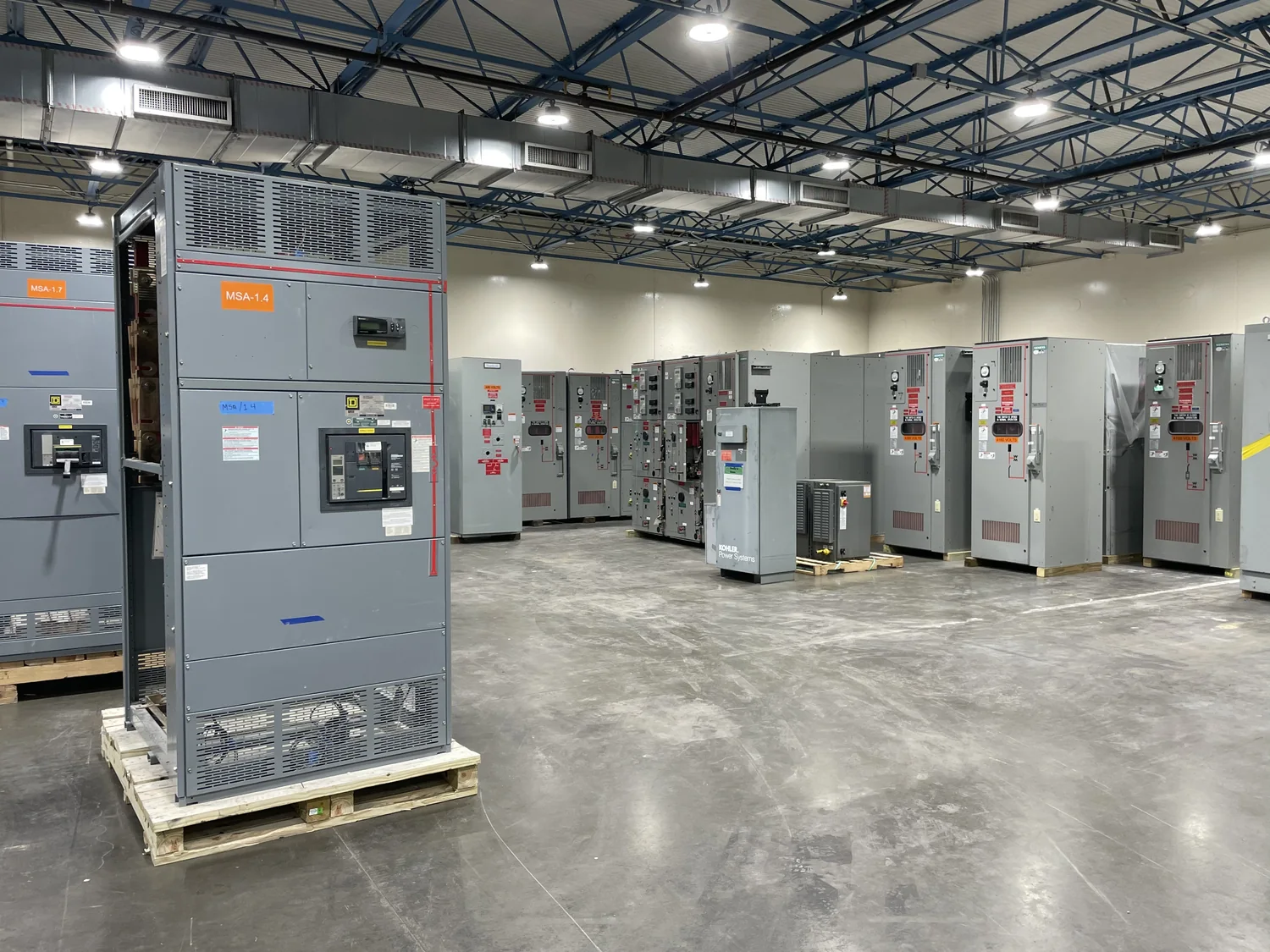
Automatic Transfer Switch Removal Planning in the Washington, DC Region
Planning the removal of an automatic transfer switch (ATS) involves more than identifying the equipment and arranging a pickup. Sellers in Washington, DC, Northern Virginia, and Maryland should expect an initial review of the switch, its installation, ownership, site access, and the work needed to remove it. That information helps determine whether the equipment can be considered for purchase and how a removal could be coordinated. The buyer purchases equipment only; it does not sell replacement switches or installation services.
An ATS is part of an electrical system, so removal planning must account for the facility’s operating requirements and safety procedures. The switch must be de-energized and isolated as required, and disconnect work must be performed by qualified personnel following the site’s safety and outage procedures. Do not ask unqualified staff to disconnect, open, move, or otherwise handle electrical equipment. Coordinate the project’s timing and access with the people responsible for electrical work and facility operations before setting a removal date.
Start the Review with Photos, Nameplates, and Dimensions
Clear, current photographs are a practical first step. Send overall views showing the ATS and its position in the lineup or room, plus closer images of nameplates, labels, visible controls, doors, and connections where they can be photographed safely. Do not remove covers or approach exposed electrical parts to obtain images. If a nameplate is difficult to read, note that rather than guessing at the information. The buyer considers all voltage classes, so sellers should provide whatever rating information is available for review rather than assuming a particular voltage is required.
Include the switch’s make and model if legible, rated voltage and current, available configuration details, and any other nameplate information that can be read. These details help distinguish the offered equipment and inform the review; they do not by themselves establish a final purchase price. Also provide approximate overall dimensions of the switch and lineup, including height, width, and depth where practical. Note whether the ATS is a standalone cabinet or part of a larger assembly, and identify any adjacent gear or site features that could affect removal. The completeness of the equipment matters too: say whether doors, controls, accessories, documentation, or associated components are included, and point out known damage, missing parts, modifications, or storage conditions.
A useful submission pairs photographs with a short written description and the seller’s best available measurements. If the ATS remains installed, say so. If it has already been removed, explain how it is stored and whether it is accessible for inspection and loading. Sellers are not required to test the equipment. Do not arrange energized testing or open equipment solely to support a purchase inquiry; any inspection or technical work must be agreed in advance and conducted under suitable site procedures.
Confirm Ownership, Access, and Removal Constraints
Before a scope is set, clarify who owns the ATS and who is authorized to approve its sale and removal. If the equipment belongs to a landlord, tenant, contractor, public entity, or another party, confirm the appropriate approval path rather than assuming that possession alone establishes authority to sell. Identify any restrictions on removal, disposal, documentation, or scheduling that the responsible parties need to resolve. The buyer can review an offer only after receiving enough information to understand what is being offered and who can authorize the transaction.
Describe the route from the switch to the loading area. Relevant details can include room and doorway dimensions, stairs or ramps, elevators, floor-level changes, narrow corridors, turning space, loading-dock arrangements, vehicle access, and any controlled-entry or appointment requirements. For sites around Washington, DC, Northern Virginia, and Maryland, access and timing are project-specific: building rules, security procedures, traffic or loading restrictions, and coordination with other work may affect the plan. Share the constraints that apply to your location; do not assume a particular facility, permit, or access arrangement.
Also identify what must be disconnected or separated from the ATS, who will perform that work, and whether the removal depends on a scheduled outage or other site activity. The buyer does not authorize unqualified personnel to perform electrical work. De-energization, isolation, and disconnects must be handled by qualified personnel under the facility’s procedures. The parties should coordinate the removal window, required site contacts, and sequence of work before equipment is moved.
Agree on the Scope and Logistics Before Removal
The buyer handles the crane, rigging, disconnects, loading, freight, and hauling, subject to project arrangements and site access. These responsibilities should be confirmed for the specific project before removal begins, including what work is included, how access will be provided, and how site safety and outage coordination will be managed. A crane or other lifting method may or may not be appropriate; equipment weight, route, working space, building conditions, and site restrictions need review rather than assumption. Do not move or attempt to lift an ATS before the removal plan and responsibilities are agreed.
Give an accurate account of known weight or dimensions if available, and flag uncertainty. Note overhead obstructions, restricted staging areas, limited vehicle access, or other conditions that might affect rigging and hauling. The buyer’s handling of removal logistics is subject to the project’s arrangements and the site being accessible for the agreed work. Confirm any facility rules, timing limits, access contacts, and required coordination in advance so that responsibilities are clear to everyone involved.
A purchase offer requires review of the equipment and the proposed scope. Photographs and information help the buyer assess the opportunity, but they are not a guarantee of acceptance, a final price, or a removal date. Avoid making plans that depend on an unreviewed price or an assumed schedule. If the equipment, included components, access, or site conditions change after review, bring those changes forward so the offer and logistics can be reconsidered.
Payment and a Practical Seller Checklist
The buyer can make a cash offer after reviewing the available information. When an offer is accepted, payment is arranged upfront; the buyer pays the crane, rigging, loading, freight, and hauling costs, with responsibilities confirmed before removal. Do not treat an initial inquiry, preliminary discussion, or photo review as an accepted offer. Confirm the agreed equipment, payment arrangement, removal scope, access, and timing with the buyer before the project proceeds.
To prepare a complete inquiry, gather clear equipment photos, readable nameplate images, approximate ATS and lineup dimensions, and a description of what is included and what is missing. State whether the unit is installed or removed, identify known condition issues without attempting electrical testing, and confirm ownership and authority to sell. Add the site location within the Washington, DC regional service area, access details, available loading conditions, removal constraints, and the contacts who can coordinate qualified electrical work and facility access.
A straightforward, accurate description helps the buyer review the switch and plan the right questions. It also helps the seller avoid preventable delays caused by unclear ownership, incomplete equipment details, inaccessible routes, or uncoordinated outage work. Because each facility and ATS installation is different, final scope, offer, payment, and scheduling should be confirmed directly for the specific project before any disconnect or removal work begins.