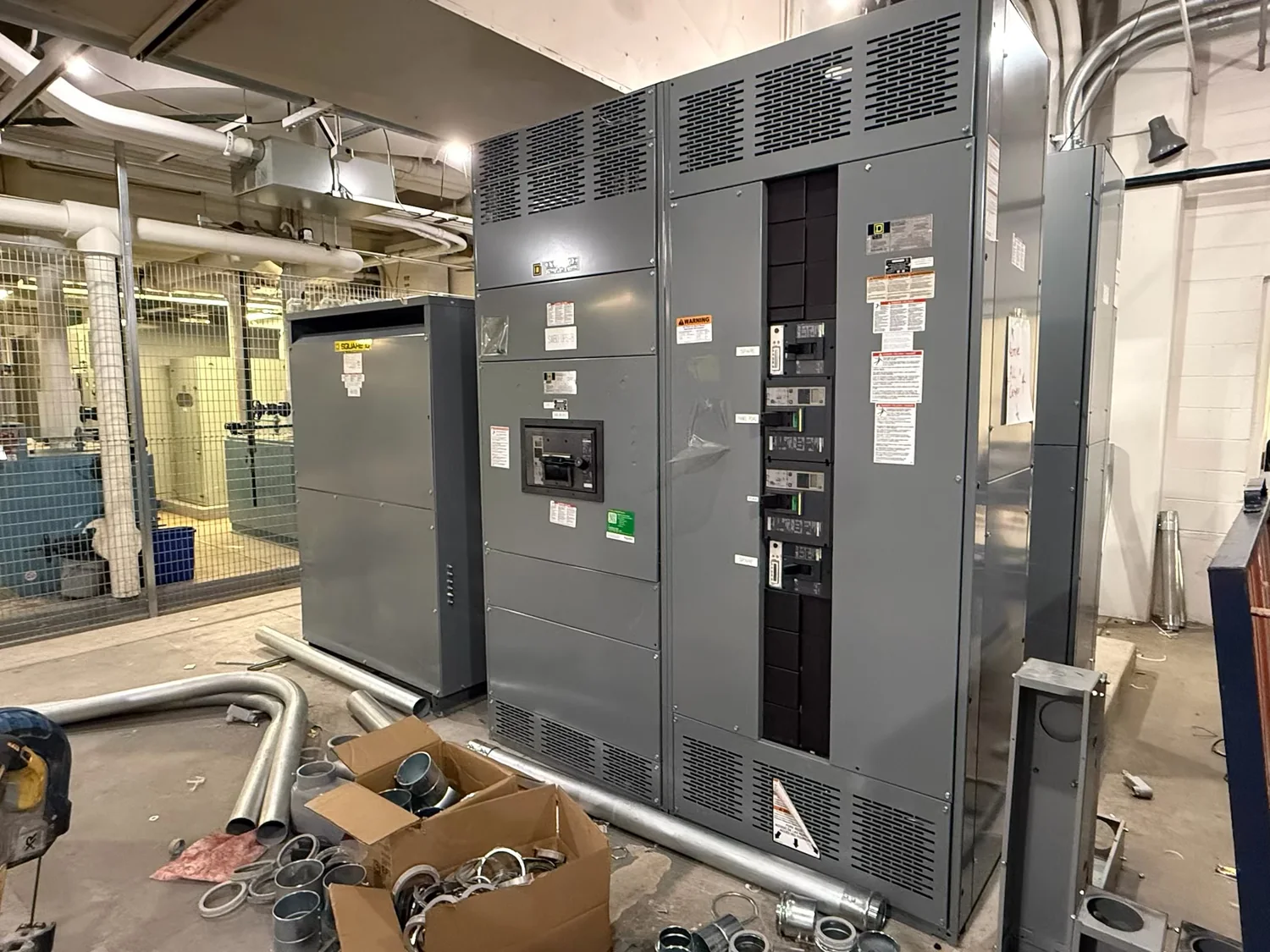
Busway and Bus Duct Removal Planning for DC-Area Sellers
Planning to remove busway or bus duct from a facility in Washington, DC, Northern Virginia, or Maryland? A useful first step is to assemble clear information about the equipment, its ownership, and the conditions around removal. That gives a buyer a basis to review the opportunity and discuss a practical scope before work is scheduled. The buyer purchases equipment; it does not sell busway or provide a removal plan that substitutes for the facility’s engineering, safety, or outage procedures.
Busway systems can extend through multiple rooms, floors, or work areas, with sections, fittings, supports, and connected equipment that affect how removal can proceed. What appears to be one run may include several sizes or configurations, and the visible sections may not represent everything available for purchase. A preliminary review can clarify what is included, what remains installed, and what information is still needed. A final offer and removal arrangements depend on review of the specific equipment and site conditions; a preliminary discussion is not a guaranteed price or commitment.
Document the equipment before setting scope
Start with readable photos of the busway or bus duct in place, including overall views of each run and close-ups of nameplates, labels, and identifying marks. Photograph sections, elbows, tees, tap-off units, end pieces, hangers, and other components that may be part of the lot. If equipment has already been removed or is stored, show representative pieces and how they are organized. Avoid relying on a single photo of a long lineup: more than one angle can help convey its route, condition, and completeness.
Record available nameplate information without guessing at missing details. Useful items may include manufacturer and series identification, ratings, catalog or part numbers, and other markings present on the equipment. The buyer considers all voltage classes, but the seller should provide the actual label information where legible rather than infer a rating from appearance. If a plate is unreadable or missing, note that and share a clear image anyway; the equipment can be reviewed with that limitation understood.
Provide approximate quantities and dimensions, such as run lengths, section lengths, busway width and depth, elevations, and the number or type of visible fittings. Note whether the quantity is measured, estimated, or based on drawings. If drawings, schedules, or an inventory are available, they may help explain the layout, but photographs and field information remain useful for identifying what is physically present. Describe apparent completeness: for example, whether the offer includes straight sections, fittings, tap-off units, supports, covers, and loose or spare pieces, or only a portion of a system. Do not assume ancillary items are included unless both sides identify them in the scope.
Confirm ownership, access, and site constraints
Before discussing removal, identify who owns the equipment and who has authority to approve its sale and release. If the busway is part of a leased space, shared facility, financed asset, or active construction project, clarify the applicable approval and handoff process with the responsible parties. A buyer needs to understand what is being offered and who can authorize access, removal, and transfer. This helps avoid scheduling around an asset that cannot yet be released.
Describe the facility access that can be confirmed, rather than assuming a crew or vehicle can reach the equipment. Relevant details may include the building or work area, floor level, loading route, door and corridor clearances, freight-elevator availability, loading-dock arrangements, parking or staging limits, and any restrictions on truck size or work hours. For Washington, DC, Northern Virginia, and Maryland projects, access and scheduling are specific to each site; do not assume curb access, a loading area, elevator capacity, or a particular approval process. Share known requirements and identify items that still need confirmation.
Explain where the run is installed and what surrounds it: ceiling or wall conditions, nearby services, occupied areas, restricted zones, and whether sections pass through tight or elevated spaces. Note any access controls, escorts, badging, advance notice, shutdown windows, or coordination with building management that may apply. The buyer and seller should confirm responsibilities, timing, and access arrangements before removal. A site review or additional photos may be useful when the route, dimensions, or handling constraints cannot be established from the initial information.
Plan safe disconnection and physical removal
Any de-energization, isolation, and disconnection must be performed by qualified personnel under the facility’s safety procedures and outage plan. Sellers should not ask unqualified staff to disconnect, cut, lift, or handle electrical equipment. Coordinate the outage, verification, and release of the equipment with the site’s responsible electrical and operations personnel. The buyer’s removal scope begins only as agreed for the project; it does not replace the facility’s responsibility to control electrical hazards and authorize work.
Busway removal can involve overhead work, long or heavy sections, supports, constrained routes, and careful sequencing. How a run is divided for handling depends on its installed configuration, access, and the agreed scope. Do not assume that the equipment can be removed intact or that a particular lifting method will work before dimensions, route, and site conditions are reviewed. Note whether the busway is above occupied or sensitive areas, whether there is room to lower sections safely, and whether nearby equipment or finishes must remain undisturbed.
The buyer handles crane, rigging, disconnects, loading, freight, and hauling, subject to project arrangements and site access. Confirm the exact division of responsibilities and the sequence for disconnection and removal before work is scheduled. The site must provide appropriate access and coordinate required outages and permissions; equipment removal cannot proceed until the necessary site conditions and qualified-personnel requirements are addressed. Crane or rigging needs, staging, loading method, and transport arrangements are determined for the project rather than assumed from the equipment category.
Review the offer and coordinate payment
To support a purchase review, send the photos, nameplate details, dimensions, estimated quantities, completeness information, ownership status, and access notes together when possible. Include the facility location within the DC-area service region and a contact who can clarify the equipment and site arrangements. If information is uncertain, label it as an estimate or open question. Clear documentation helps the buyer decide what additional review is needed; it does not replace confirmation of the actual scope and removal conditions.
No seller testing is required. The buyer can review the information provided and determine whether an offer is appropriate without asking the seller to test the busway. Avoid energizing, dismantling, or altering equipment solely to prepare it for a purchase inquiry. If equipment has already been disconnected or sections are stored, describe that status accurately and distinguish confirmed facts from assumptions.
The business buys equipment only and can make a cash offer. If an offer is accepted, payment is arranged and paid upfront before removal, with the payment and release sequence confirmed between the parties. There is no final price to quote from a title or a short description alone: value and scope depend on the equipment presented for review and the project arrangements. Before committing to a removal date, confirm the accepted scope, payment timing, site access, qualified disconnection responsibilities, and the buyer’s handling of crane, rigging, loading, freight, and hauling costs. This creates a clearer basis for scheduling without promising a price, removal method, or outcome before the details are reviewed.