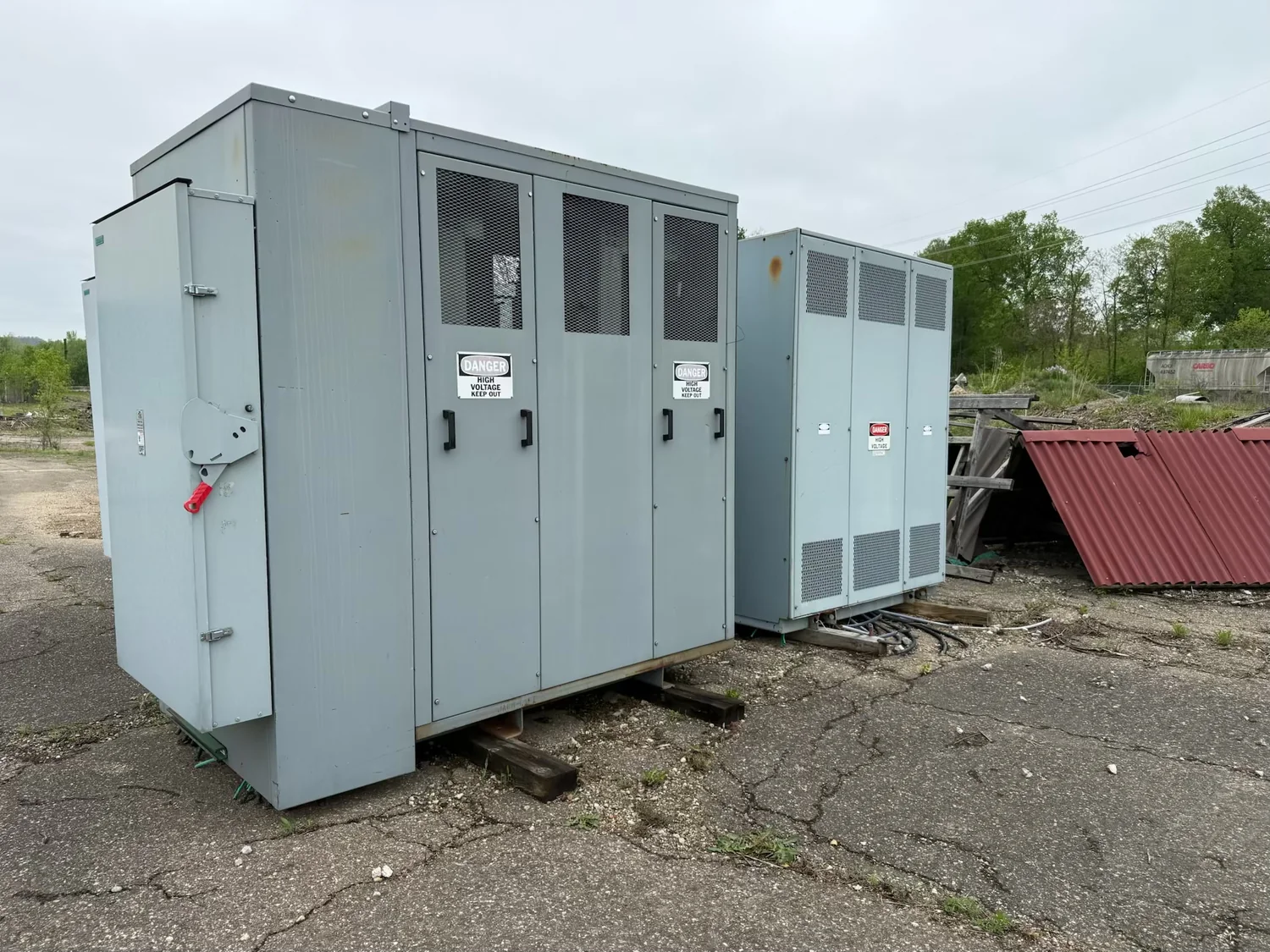
We Buy Used Switchgear in Adams Morgan
If your facility in Adams Morgan has used switchgear to disposition, we can review it for purchase. We buy electrical equipment; we do not sell it. We consider equipment across all voltage classes, and the seller does not need to test it before requesting an offer. A purchase is subject to review of the equipment, ownership, removal scope, and site conditions—so a final price cannot be set from the location or a brief description alone.
For an initial review, send clear photos of the switchgear and its nameplates, along with the lineup’s overall dimensions. Include what you know about its condition, completeness, and whether associated sections or components are present. Photos and identifying information help us understand what is being offered, but they do not replace a site-specific review when removal conditions or access are uncertain.
Information That Helps Define the Scope
Nameplate images can help identify the equipment and its stated ratings. Photograph each accessible nameplate clearly, and include wider views that show the lineup, its sections, and how it sits in the room. Dimensions should cover the overall lineup and, if known, individual sections or other pieces that may need to move separately. Share the equipment’s general condition and note missing, damaged, or retained components rather than assuming that the lineup is complete.
Also tell us who owns the equipment and who is authorized to approve its sale and release. If the switchgear is part of a leased, shared, or otherwise controlled space, clarify who can grant access and authorize removal. These details matter because a purchase discussion and a physical release are different steps: the seller must have authority to transfer the equipment, and site representatives must agree on the work window and removal arrangements.
Plan Around Building Access and Retained Service
In Adams Morgan, the right removal plan depends on the specific building, route, and access arrangements—not on assumptions about a facility’s layout. Explain how the crew and equipment could reach the switchgear, whether loading access is available, and any known limits on doorways, corridors, elevators, turning space, floor loading, or staging areas. Share relevant measurements, photographs, access rules, and restrictions on delivery vehicles or work hours. These details help determine whether the lineup can be removed as-is or whether the scope needs further planning.
In an occupied building, removal may need to fit an approved access window and account for tenants, building staff, other trades, and retained electrical service. Identify the circuits or areas that must remain in service, the parties responsible for coordinating them, and any outage or work-window requirements already established by the site. Timing and access should be agreed for the project before removal is scheduled. Do not treat equipment photos or a purchase offer as approval to interrupt service or enter a restricted area.
Qualified Disconnection and Safe Release
Any de-energization, isolation, and disconnection must be performed by qualified personnel under the site’s safety procedures and outage controls. Do not ask unqualified staff to open, disconnect, move, or handle switchgear. The site’s responsible personnel should establish the required work sequence, confirm what equipment can be released, and coordinate the timing with affected occupants and operations. The removal plan must also distinguish the equipment being sold from cables, bus connections, accessories, or other property that the facility intends to retain.
Before a scope is set, disclose known removal constraints such as limited clearance, restricted routes, stairs, overhead obstructions, floor or doorway limits, and any requirement to preserve adjacent equipment or building systems. If sections must be separated to pass through the route, that possibility should be discussed in advance rather than assumed. Access, sequencing, and responsibilities are project-specific; they should be confirmed with the appropriate site contacts before work begins.
Offer, Payment, and Removal Costs
After reviewing the equipment information and the proposed scope, we can make a cash offer for consideration. There is no requirement for the seller to test the switchgear. If an offer is accepted, payment is arranged upfront; the payment details and timing should be confirmed before removal. An offer is not a guaranteed final price until the equipment and relevant project details have been reviewed, including what is included in the sale and the conditions for access and release.
The buyer handles crane, rigging, disconnects, loading, freight, and hauling, subject to the agreed project arrangements and site access. Confirm responsibilities, access windows, work sequence, and any site coordination requirements before removal is scheduled. To start a review, provide clear equipment and nameplate photos, lineup dimensions, ownership and authorization details, and a practical description of access and removal constraints. That information gives both sides a more useful basis for defining the scope without assuming that every building or lineup presents the same conditions.