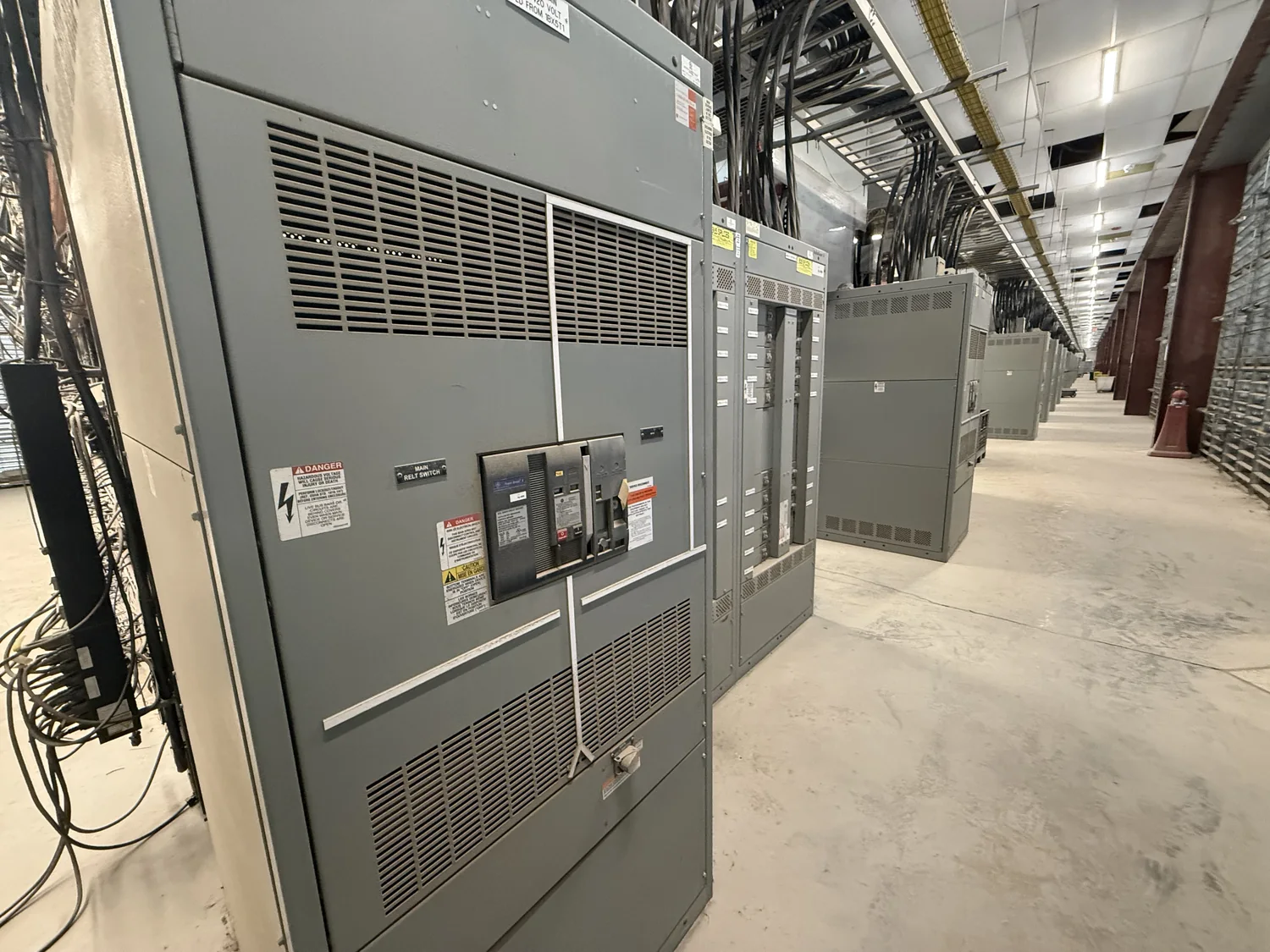
We Buy Used Switchgear in Capitol Hill
If your facility in Capitol Hill has used switchgear to sell, we can review the equipment and make a cash offer. We buy; we do not sell equipment. You do not need to test the switchgear before requesting a review, and we consider all voltage classes. A preliminary conversation is not a final price: the offer depends on the equipment, its condition and completeness, and the removal scope that can be confirmed for the site.
For a useful first review, send clear photographs of the full lineup, each section, and the visible nameplates. Include the lineup’s overall dimensions, any available equipment records, and a brief description of what is included or missing. Ownership information and an outline of site access help us understand whether the assets can be evaluated and removed under the facility’s requirements. We serve the Washington, DC, Northern Virginia, and Maryland area; this does not imply a local office in Capitol Hill.
Information to Gather Before Scope Is Set
Photograph nameplates closely enough to read the manufacturer and the ratings and identifiers shown. Also provide wider views that show how the sections are arranged and connected. Do not infer or estimate technical specifications from appearance when the nameplate or records are available; share what can be confirmed and flag anything that is unreadable or unknown. Clear information helps identify what is being offered without requiring the seller to conduct testing.
Measure the lineup’s height, width, and depth, and note the number of sections if known. Mention whether the equipment is complete, whether doors, panels, breakers, or other components are missing, and whether loose parts or related equipment are part of the sale. If available, include drawings or records that clarify the configuration. These details support review, but they do not replace an on-site assessment when one is needed to confirm removal feasibility.
Confirm that the seller has authority to transfer the equipment, and identify any ownership, facility, or asset-disposition approvals that must be addressed before removal. Describe the equipment’s location within the property, the route from its current position to the loading point, and any known limits on doorways, corridors, elevators, floor access, loading areas, or vehicle approach. Share site rules and the contact responsible for coordinating access.
Plan Access, Loading, and Removal Carefully
Capitol Hill facility access should be evaluated site by site rather than assumed. Constrained loading access, dock scheduling, equipment dimensions, and the route from the lineup to the loading area may affect what removal plan is practical. Relevant details can include available staging space, loading windows, vehicle access, clearances along the route, and any restrictions on moving equipment through occupied areas. Photos and measurements of the route can help identify questions early; the final plan depends on confirmed site conditions and project arrangements.
The buyer handles crane, rigging, disconnects, loading, freight, and hauling, subject to project arrangements and site access. Responsibilities and the removal scope should be confirmed before removal is scheduled. Crane or rigging needs depend on the equipment, its location, the available route, and access at the facility; do not assume a particular method before those details are reviewed. Dock reservations, permitted work windows, staging, and coordination with building personnel may also need to be resolved for the project.
Any de-energization, isolation, or disconnect work must be performed by qualified personnel under the site’s safety and outage procedures. Do not ask unqualified staff to disconnect, open, move, or handle electrical equipment. Coordinate the required personnel, access, outage timing, and handoff with the facility’s responsible team. Removal timing remains subject to site access and the agreed project plan.
Payment and the Review Process
Send the photos, readable nameplate information, lineup dimensions, completeness notes, ownership details, and access constraints for review. If a detail is unknown, say so rather than guessing. We can then discuss the equipment and the practical removal scope, request clarification where needed, and make an offer after review. No final price can be responsibly stated without evaluating the information and relevant project conditions.
We can make cash offers, and payment is arranged upfront when an offer is accepted. The buyer pays the crane, rigging, loading, freight, and hauling costs, with responsibilities confirmed before removal. Because access and removal conditions can affect the project plan, confirm the scope, scheduling, payment arrangement, and site responsibilities before work is coordinated. An offer is not a guarantee of a specific removal date or method; those details depend on review and agreed access.
A clear submission helps keep the process practical: identify what switchgear is available, show its nameplates and overall dimensions, explain what is included, confirm ownership authority, and describe how the equipment can be reached and loaded. For facilities in Capitol Hill and the wider Washington, DC, Northern Virginia, and Maryland service area, these basics provide a sound starting point for evaluating a possible purchase without making assumptions about the property or its operating requirements.