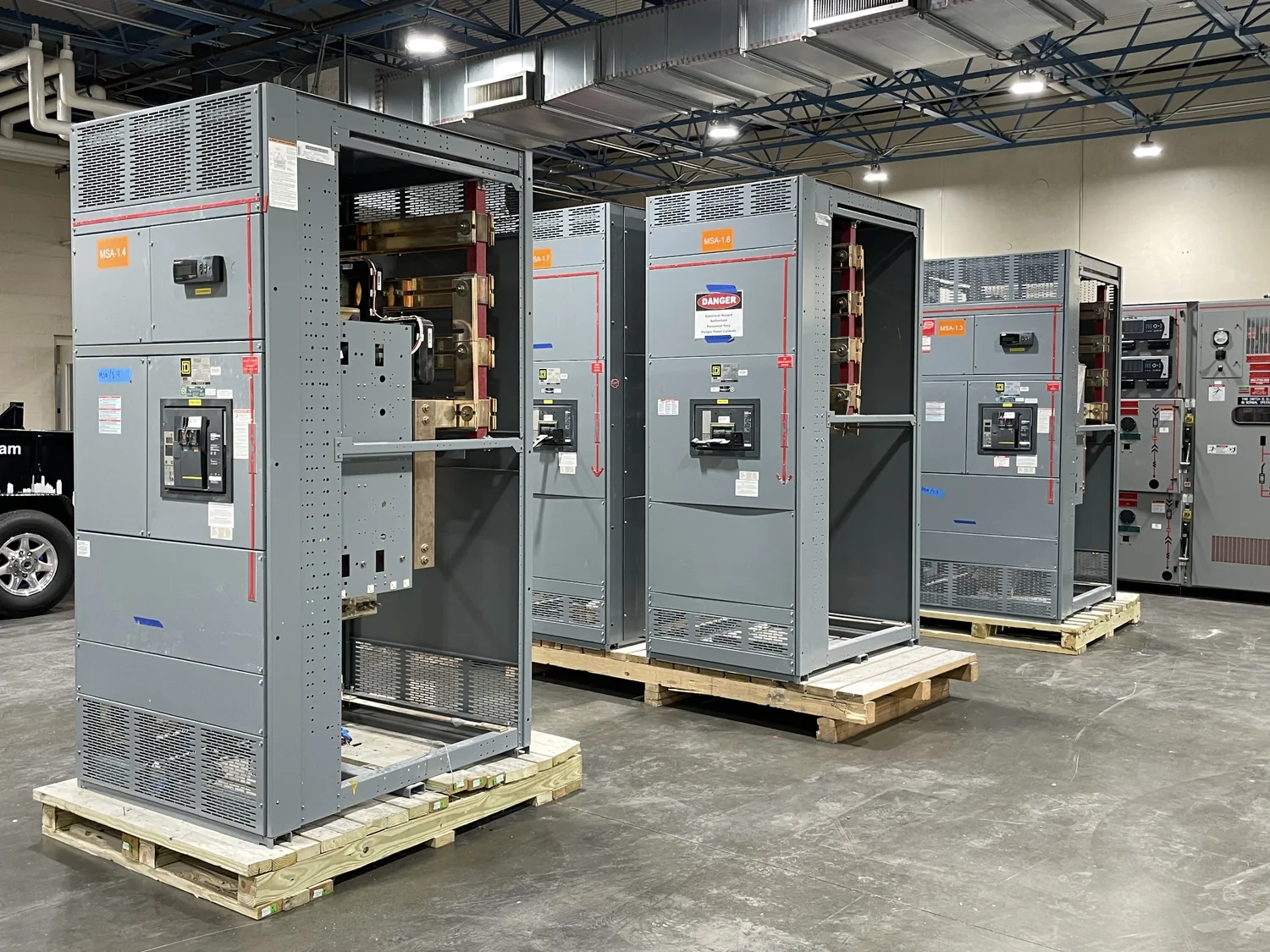
We Buy Used Switchgear in Dupont Circle
If your business or facility has used switchgear in Dupont Circle that it is authorized to sell, we can review it for purchase. We buy equipment; we do not sell switchgear. The equipment may be part of a planned replacement, a facility change, or an asset-disposition effort, but the first step is the same: share enough information for us to understand what is present and how it could be removed.
We consider switchgear across all voltage classes. A seller does not need to test the equipment before contacting us. Instead, provide clear photographs, available nameplate information, lineup dimensions, ownership details, and a description of access and removal constraints. We review those details before defining scope or making an offer. Any offer depends on the equipment and project information available; a final price cannot be established without review.
Start With Equipment and Ownership Information
Photograph the switchgear from several useful angles: the overall lineup, each section, visible nameplates, doors, connection areas, and any condition concerns that can be safely photographed. Close, readable nameplate images help identify the equipment without relying on assumptions about manufacturer, ratings, or configuration. If labels are damaged or inaccessible, say so rather than attempting to uncover them or open energized compartments.
Include the lineup’s approximate length, height, and depth, along with the number of sections if known. Note whether the equipment appears complete and identify any known missing components, loose parts, accessories, or related items being offered. Available drawings, inventories, or records may help clarify the scope, but do not delay an initial inquiry if those documents are not on hand. The buyer will need to review what is actually included before removal responsibilities are set.
Confirm who owns the equipment and who is authorized to approve its sale. In a commercial building, the asset owner, building manager, authorized electrician, and removal crew may have different responsibilities. Bring them into the conversation early so ownership, approval authority, site rules, and scheduling can be addressed together. A clear scope helps avoid confusion about which equipment is included and who may authorize access or work.
Plan Access and Removal Around the Facility
Dupont Circle projects may involve coordinating equipment movement through a building, shared areas, service entrances, loading locations, or other controlled access points. These are possibilities to verify for the specific facility, not assumptions about any particular property. Before a removal plan is set, describe the route from the equipment to the loading point, relevant doors and turns, stairs or elevators, floor or height limits if known, and any restrictions on staging or vehicle access. Photos of the route and measurements at tight points can help the crew assess feasibility.
Tell us about practical site conditions that could affect the work: access windows, building-management approvals, freight-elevator reservations, noise or work-hour limits, loading-zone arrangements, security procedures, and other trades or activities that may conflict. The building manager and removal crew should confirm the route, permitted work area, timing, and any protection or staging arrangements before the scheduled work. The exact plan depends on site access and project arrangements.
Switchgear may be heavy, bulky, and connected to electrical systems. Do not ask unqualified staff to disconnect, dismantle, move, or handle it. De-energization, isolation, and disconnect work must be performed by qualified personnel in accordance with the site’s safety requirements and outage procedures. Coordinate those steps with the authorized electrician, facility representatives, and removal crew before physical work begins. The timing of an outage and the release of equipment for removal must be agreed for the project; an inquiry or offer does not authorize electrical work.
Confirm Scope, Responsibilities, and Payment
Before removal, confirm in writing what equipment is included, who is responsible for site approvals and electrical preparation, how access will be provided, and when the work may take place. Identify any known removal constraints, including limited clearance, restricted routes, equipment that cannot be separated as expected, or other conditions that could change the work plan. If the actual lineup or access differs from the information reviewed, pause and coordinate before proceeding rather than relying on an unapproved change in scope.
The buyer handles the crane, rigging, disconnects, loading, freight, and hauling, subject to the project arrangements and actual site access. Responsibilities and work sequencing should be confirmed before removal, including coordination with the qualified personnel responsible for de-energization, isolation, and electrical disconnection. Share site requirements in advance so the proposed plan can be evaluated; the buyer’s logistical responsibility does not remove the need to follow facility procedures or arrange authorized access.
We can make a cash offer after reviewing the equipment and project details. If you accept the offer, payment is arranged upfront. No seller testing is required. Provide the information you have, raise uncertainties openly, and allow time for the equipment scope and removal plan to be reviewed. Pricing and logistics are project-specific, so neither the offer nor the schedule should be treated as final until the relevant details and responsibilities have been confirmed.
A Coordinated Process for Dupont Circle Sellers
A smooth switchgear disposition depends on more than identifying the lineup. The asset owner needs to authorize the sale; the building manager needs to coordinate facility access and rules; the authorized electrician needs to manage electrical preparation under site procedures; and the removal crew needs a workable route and agreed timing. Bringing these parties together before work is scheduled can make it easier to surface constraints while there is still time to plan around them.
To begin, send clear equipment and nameplate photos, lineup dimensions, a summary of completeness and known condition, confirmation of ownership or sale authority, and details about access and removal limits. Include the best available timing information and identify the people who can approve the sale, facility access, and electrical work. We can then review the opportunity, discuss an offer, and confirm project responsibilities before anything is disconnected or moved.
We serve businesses across Washington, DC, Northern Virginia, and Maryland, including sellers with equipment located in Dupont Circle. Each facility and removal route is different, so the right next step is a project-specific review—not an assumption about a building, a guaranteed price, or a removal date. The more clearly the equipment, authority, access, and coordination needs are described, the more informed the discussion can be.