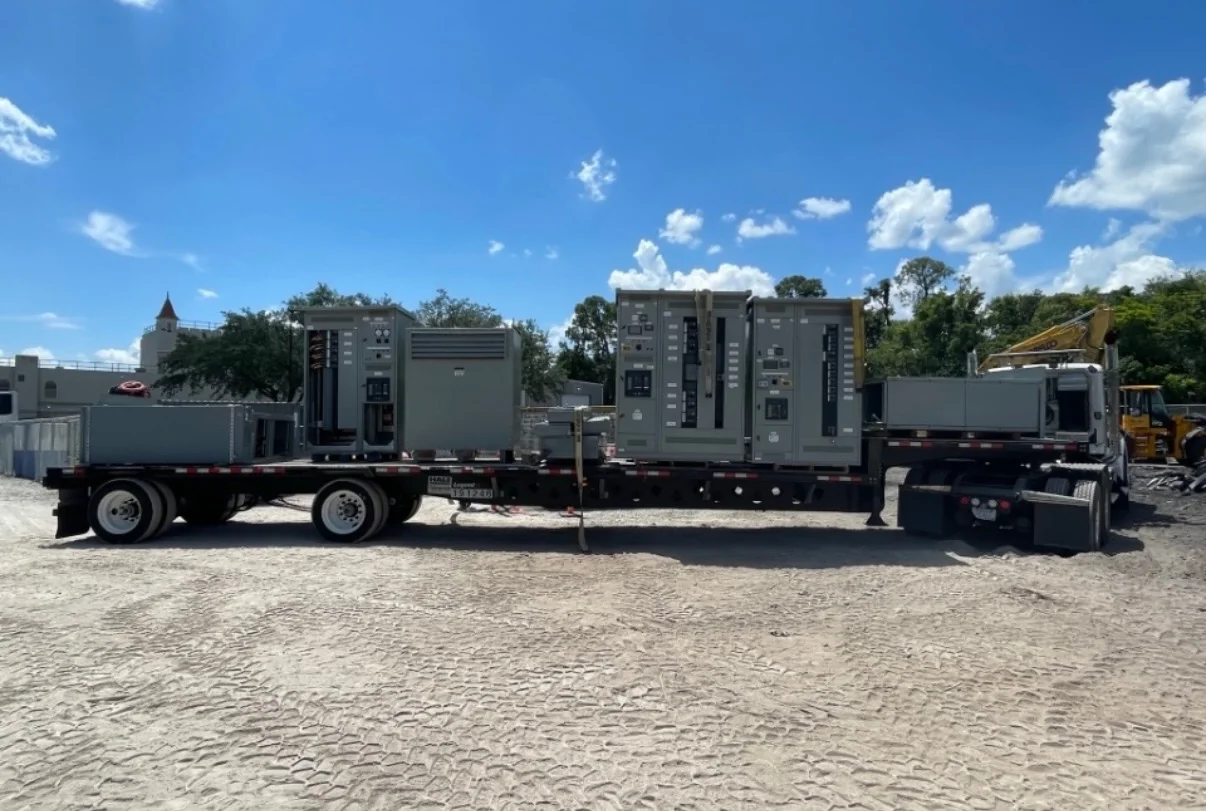
We Buy Used Switchgear in Georgetown
If your facility in Georgetown has used switchgear to disposition, we can review it for purchase. We are a buyer, not a seller: we consider equipment across all voltage classes, and we can make a cash offer after reviewing the available information. No seller testing is required. An offer is not final until the equipment and removal scope have been reviewed and the terms are agreed.
A clear first step is to send photographs, nameplate information, approximate lineup dimensions, and a short description of the equipment’s condition and completeness. Include what you know about ownership, where the lineup is located, and how a removal crew could reach it. Those details help us assess whether the switchgear may be a fit and identify questions that need to be resolved before pricing or scheduling. We serve businesses in Washington, DC, Northern Virginia, and Maryland; service-area coverage does not imply a local Georgetown office.
Build a useful equipment record
Photograph the switchgear as a lineup and capture each section from a safe viewing position. Add close, readable images of nameplates and any visible identification labels, along with the front, sides, rear where safely accessible, and the surrounding room or pathway. If an image is blurred, obscured, or too distant to read, note the information you can transcribe instead. Do not open energized equipment, remove protective covers, or enter a restricted area to obtain a better photograph.
Record the lineup’s approximate width, height, and depth, plus the number of sections if it can be determined safely. Note visible ratings and configuration details from nameplates or existing records, but do not guess at a specification that is missing or unclear. A list of included sections, breakers, or other components can help establish completeness; distinguish items that are included from items that are absent, removed, or uncertain. Existing drawings, schedules, or asset records may be helpful, but they are not a prerequisite for starting a buyer review.
When project drawings are unavailable, a consistent photo set and a simple field record can give the review a practical starting point. Identify the facility area, approximate equipment location, observed dimensions, visible labels, and any known changes or missing components. Record only what an authorized person can safely observe. The buyer may need follow-up information or an onsite scope review before determining whether the equipment can be purchased and removed.
Plan the Georgetown removal route
For equipment inside a Georgetown facility, the route from the switchgear to the loading point can affect the removal plan. Share known constraints such as door and corridor clearances, turns, stairs, elevators, floor transitions, overhead obstructions, loading-area distance, vehicle access, and any limits on staging. If a crane or other lifting arrangement may be needed, describe the available exterior access and any site restrictions you know about. These are planning details, not assumptions about a particular building; the site team should confirm conditions before work is scheduled.
Also explain who controls access, which areas require escort or advance coordination, what hours are available, and whether loading or temporary staging is restricted. Georgetown-area projects may involve coordination among facility contacts, property management, security, contractors, and transportation arrangements, so identify the relevant decision-makers early. Share scheduling windows and any outage or renovation milestones, while treating all timing as subject to site approval, equipment review, and a confirmed removal scope.
If the drawings are missing or access is not yet fully understood, say so when requesting a review. A buyer can discuss what additional photographs, measurements, records, or site information may be needed to define the scope. Do not assume that a lineup can pass through a route based only on its approximate dimensions; turns, clearances, lifting points, and handling constraints may change the approach.
Safety, ownership, and scope come first
Switchgear must be de-energized, isolated, and disconnected by qualified personnel under the facility’s safety procedures and approved outage plan. The seller should not ask unqualified staff to disconnect, dismantle, move, or handle the equipment. Coordinate the work window, access, lockout and isolation responsibilities, and any required site controls with the people authorized to manage the project. A buyer review does not replace the facility’s electrical-safety procedures or determine who is qualified to perform electrical work.
Before an offer or removal plan is finalized, clarify who owns the switchgear and who has authority to sell it. Identify any components that belong to another party or must remain in place, and note whether the lineup is connected to adjacent equipment or building systems. Describe visible damage, corrosion, missing parts, prior dismantling, or other known conditions factually. If a detail is unknown, label it as unknown rather than presenting an assumption as confirmed.
Removal scope depends on the equipment, completeness, site access, and project arrangements. The buyer handles crane, rigging, disconnects, loading, freight, and hauling, subject to confirmed responsibilities, site access, and the agreed project plan. De-energization and isolation still need to be managed by qualified personnel under the site’s procedures. Confirm who will provide access and coordinate the outage, when the buyer’s crew may enter, and what must be in place before removal begins.
Offer review and payment
Once the available equipment details and project conditions have been reviewed, we can make a cash offer for consideration. No testing is required from the seller as a condition of beginning the review. Clear photographs, nameplates, lineup dimensions, completeness information, ownership confirmation, and access details can reduce avoidable follow-up, but missing drawings do not prevent you from asking what information would be useful next. The final offer and scope remain subject to review; a preliminary discussion is not a guaranteed price or commitment to purchase.
If an offer is accepted, payment is arranged upfront. The buyer pays the costs for crane, rigging, loading, freight, and hauling, with responsibilities and project arrangements confirmed before removal. Coordinate dates only after the parties have aligned on equipment included, access, qualified disconnect work, site timing, and the removal plan. To start, send the clearest available photographs and records, note what cannot be verified, and provide a contact who can answer questions about ownership and site access.