We Buy Used Switchgear in Ivy City
If your business has used switchgear at a facility in Ivy City, we can review it for purchase. We are a buyer, not a seller: we consider equipment from all voltage classes, and we can make a cash offer after reviewing the equipment and the proposed removal scope. No seller testing is required. An offer is not final until the equipment, ownership, access, and project details have been reviewed.
Ivy City is within our Washington, DC, Northern Virginia, and Maryland service area. That does not mean every facility has the same access or removal conditions. Before a project is scoped, we need clear information about the switchgear and the site so that the proposed purchase and removal plan reflect the actual equipment and constraints. We do not provide a final price based on a location or a brief description alone.
Start With Photos, Nameplates, and Lineup Dimensions
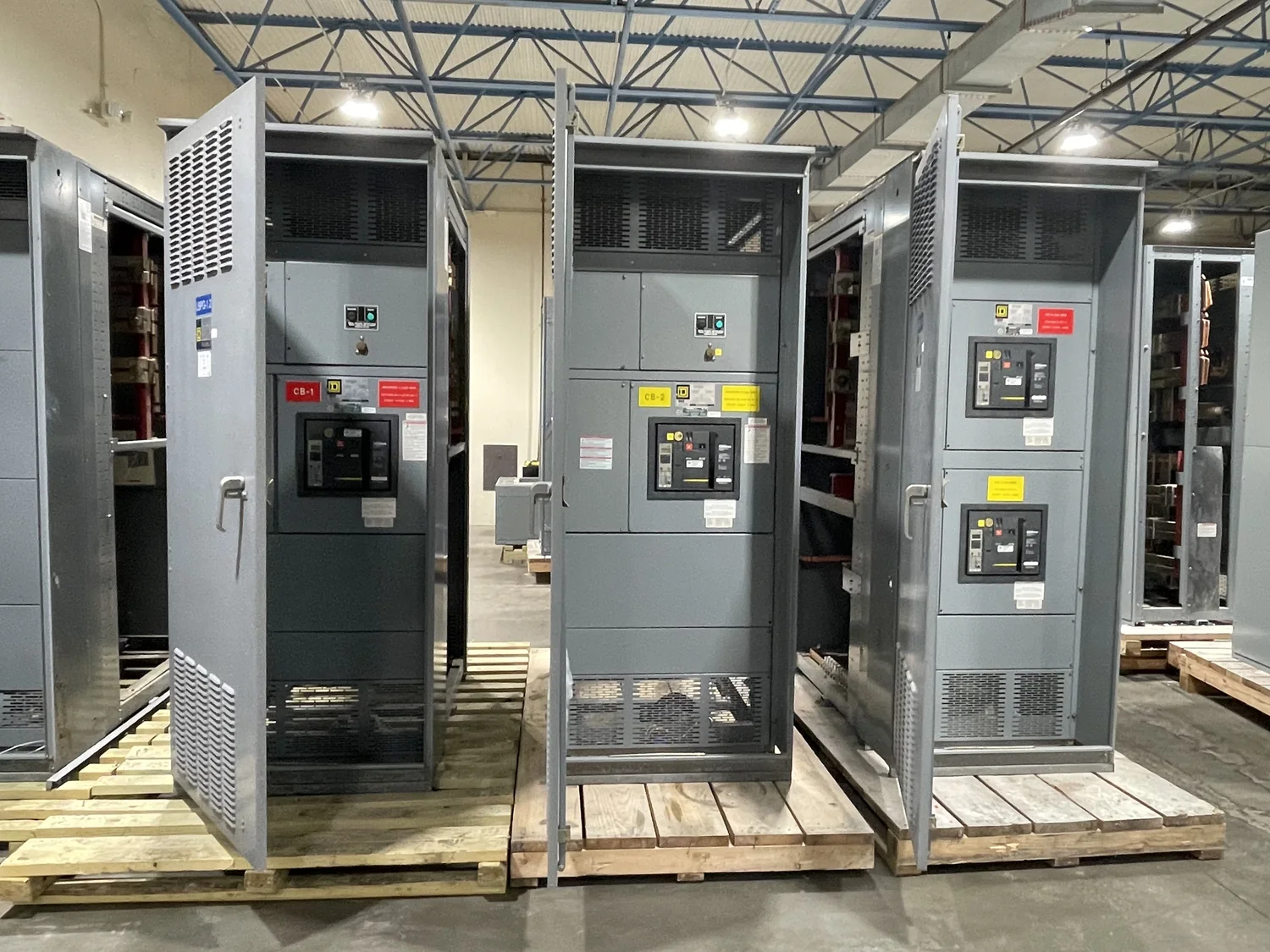
Send clear photographs of the complete lineup, including the front, sides, rear where safely accessible, and any visible sections, doors, compartments, or attached equipment. Close-up images of each nameplate help identify the equipment and its stated ratings. Photograph labels and markings that may distinguish individual sections, and note any missing or unreadable plates. Do not open compartments or approach equipment to take pictures unless the site’s safety procedures allow it and qualified personnel confirm it is safe.
Provide the overall lineup length, height, and depth, along with the number of sections if known. Dimensions help assess handling, rigging, egress, and transportation requirements; they do not replace an on-site review when one is needed. Mention whether the lineup appears complete or has missing sections, doors, breakers, bus components, controls, or other parts. If you are uncertain about completeness, say so rather than guessing. We will review the information available and clarify what else is needed before defining the scope.
Please include the facility’s general location in Ivy City, the equipment’s present floor or room, and any known route from its current position to a loading area. Share practical access details such as doorways, corridors, stairs, elevators, loading-dock availability, overhead obstructions, and restrictions on vehicle or crane access, if known. You do not need to make assumptions about what equipment or access a building has; simply report the conditions your facilities team can confirm.
Confirm Ownership and Authority to Release the Equipment
Ownership deserves special attention in a leased or shared-use building. Before an offer or removal is scheduled, identify who owns the switchgear and who has authority to approve its sale and release. Depending on the arrangement, that may require coordination among the tenant, property owner, building manager, equipment owner, or another authorized party. Provide available ownership records or other documentation that supports the right to sell and release the equipment, and identify any approvals that remain outstanding.
Clarify whether the switchgear is dedicated to your business or serves shared building systems. If it is part of a shared-use installation, confirm who can authorize removal and whether the equipment can be taken out without affecting another occupant or building operation. Do not assume that possession of the equipment or responsibility for a space establishes authority to sell it. Resolve ownership, release authority, and any required internal approvals before committing to a removal date.
This information helps prevent a mismatch between the party making the sale and the party controlling access or authorizing work. It also allows project responsibilities to be discussed before crews, equipment, or transportation are scheduled. If documents or approvals are pending, tell us early so the review and scheduling can account for them.
Plan Disconnection, Access, and Removal Safely
Any de-energization, isolation, and disconnect work must be performed by qualified personnel under the facility’s safety procedures and outage requirements. Do not ask unqualified staff to disconnect, move, or handle electrical equipment. The site’s responsible personnel must establish the necessary safe work conditions and coordinate the timing of any outage and release of the equipment. We can coordinate project timing and access with the appropriate facility contacts, but site safety decisions and electrical work must remain with qualified personnel authorized for the facility.
Removal logistics depend on the actual lineup, its position, the path out of the building, available staging space, and the site’s rules. Crane and rigging needs, loading arrangements, freight, hauling, and timing should be reviewed against the equipment dimensions and access information. A route that appears workable from photographs may still require confirmation before the scope is set. Let us know about building access windows, loading restrictions, security or escort requirements, and any limits on work hours or vehicle staging that the facility has identified.
The buyer handles crane, rigging, disconnects, loading, freight, and hauling, subject to project arrangements and site access. Responsibilities and the removal scope are confirmed before removal, including coordination of disconnect work with qualified personnel and the facility. The buyer pays these project costs; the seller is not asked to arrange or pay for those logistics. The schedule and method remain dependent on confirmed access, safe-work coordination, equipment conditions, and the agreed project plan.
Offer and Payment Before Removal
After reviewing the photos, nameplates, dimensions, ownership and release information, completeness, access, and removal constraints, we can determine whether to make an offer and discuss the project scope. We can make cash offers, but the amount depends on review of the specific equipment and logistics; no price should be treated as final until those details have been assessed. No seller testing is required to begin the review.
If an offer is accepted, payment is arranged upfront before removal. Confirm the payment and project arrangements with us before scheduling work, and make sure the authorized seller and facility contacts understand the agreed scope. This gives both parties a chance to address access, outage timing, disconnect coordination, and any remaining release requirements in advance.
To begin, send clear overall and nameplate photos, lineup dimensions, a description of what is included or missing, and the equipment’s location within the facility. Include the ownership and release-authority contacts, known access conditions, and any restrictions that could affect disconnection, rigging, loading, or hauling. With those details, we can review the used switchgear in Ivy City and discuss a practical next step without assuming facts about the building or promising a price before review.