We Buy Used Switchgear in NoMa
If your organization has used switchgear at a facility in NoMa that it no longer needs, we can review it for purchase. We buy electrical equipment; we do not sell it. You can send information for an initial review without testing the equipment, and we can make a cash offer after reviewing the asset and the proposed removal scope. If you accept an offer, payment is arranged upfront, with the timing and method confirmed before removal.
NoMa projects can involve occupied buildings, managed loading areas, limited staging space, and schedules that need to fit around other facility work. Those conditions vary by site, so we do not assume that a particular entrance, loading dock, crane position, or removal window is available. Share the facility’s access rules, scheduling requirements, and any known constraints early. That gives both sides a practical basis for discussing the removal plan before equipment is disconnected or a crew is scheduled.
Start with photos, nameplates, and lineup dimensions
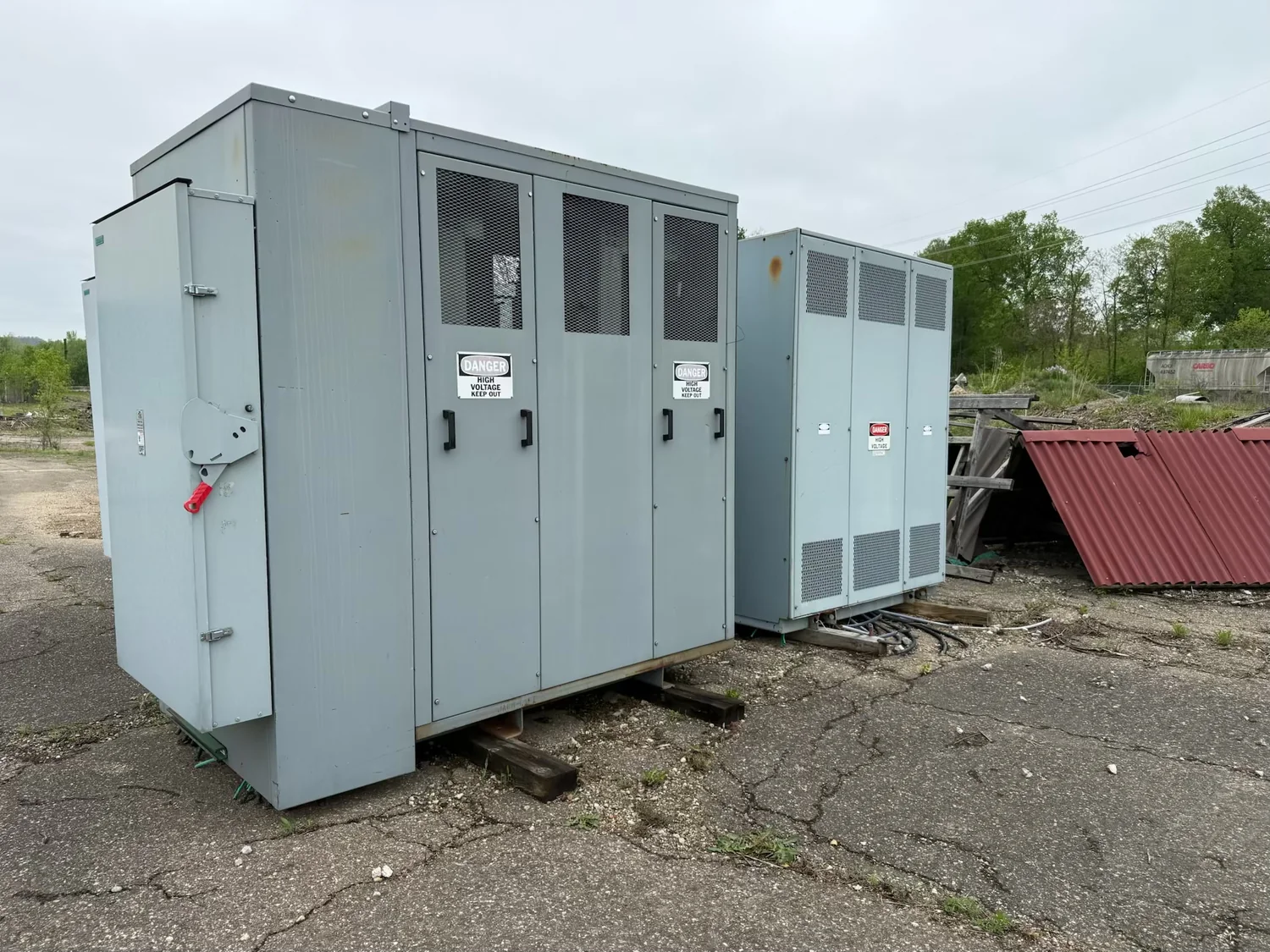
For an initial review, provide clear photos of the switchgear lineup as installed, including the front, sides, rear where safely accessible, and surrounding area. Add close-up photographs of each visible nameplate and any labels that help identify sections or equipment. Make sure text is legible where possible; do not remove covers or enter restricted areas to take photographs. If a label is unreadable or unavailable, simply note that rather than trying to infer a rating or specification.
Include approximate overall lineup dimensions—width, height, and depth—and identify how many sections are included. A simple sketch or marked-up photo can help show the lineup’s layout and the location of adjacent walls, doors, overhead obstructions, stairs, or other equipment. Mention the known voltage class if available; we consider all voltage classes, but a seller does not need to determine technical details that are not already documented. The actual equipment identification and scope remain subject to review.
Completeness can affect the assessment and removal plan. Tell us what is included and what is not, such as associated sections, panels, breakers, doors, internal components, or other items that you understand to be part of the lineup. Do not assume that every loose or nearby component belongs with the switchgear. Identify items separately in photos or notes, and describe any components that are missing or have already been removed. This helps avoid confusion about what is being offered and what the buyer is expected to collect.
Describe condition without conducting electrical tests
No seller testing is required for us to consider used switchgear. Do not energize equipment, open guarded compartments, remove covers, or perform electrical testing just to support an inquiry. Instead, document what can be observed safely from outside the equipment and provide existing records if they are available and appropriate to share.
Note any known history of storage or weather exposure, including whether the equipment has been outdoors, exposed to rain or standing water, or stored in a damp area. Describe visible damage such as dents, corrosion, broken doors, missing covers, damaged housings, or signs that components are absent. Distinguish what you personally observed from information reported by others, and avoid guessing about internal condition. Clear, factual notes and photographs are more useful than unsupported assurances about operational status.
If the equipment has been moved, dismantled, or partly removed, explain that as well. Let us know whether sections are still connected in a lineup, whether any parts are loose, and whether the equipment is on a floor, platform, or other location that may affect access. These details help frame a realistic review; they do not substitute for a site-specific removal assessment.
Confirm ownership, authority, and site access
Before a purchase can proceed, clarify who owns the equipment and who is authorized to approve its sale and removal. If the switchgear is part of a tenant improvement, a facility upgrade, or a larger asset-disposition project, identify the appropriate owner or decision-maker and any internal approval steps that need to be completed. We cannot assume that the person sending photos has authority to sell equipment on behalf of the owner.
Access details are equally important. Tell us the facility location within NoMa, the level or area where the switchgear sits, the route from the equipment to the exterior, and any known restrictions on doors, elevators, corridors, loading areas, vehicle access, or staging. Share applicable site rules, escort requirements, permitted work hours, and scheduling lead times when known. This is practical planning information, not a claim that any specific NoMa facility has a particular layout or restriction.
For buildings with multiple stakeholders, coordinate early with facilities, property management, security, and the party responsible for the electrical system. The removal date, access window, outage plan, and loading arrangements may depend on approvals that are separate from the equipment purchase. We can discuss scope once the relevant contacts and constraints are clear, but the site’s requirements and the agreed project arrangements govern how work can proceed.
Coordinate safe removal and upfront payment
Electrical equipment must be de-energized and isolated under the site’s procedures before removal. Any disconnect work must be performed by qualified personnel, in accordance with the facility’s safety requirements and outage procedures. Do not ask unqualified staff to disconnect, move, or handle switchgear. The qualified personnel responsible for the electrical system and the site’s authorized representatives should coordinate the outage, isolation, and timing for the project.
The buyer handles crane, rigging, disconnects, loading, freight, and hauling, subject to the project arrangements and actual site access. Responsibilities, sequence, equipment needs, and timing should be confirmed before removal. A crane or other lifting plan may depend on the lineup’s dimensions and weight information, the building and surrounding access, overhead clearance, ground conditions, and any restrictions on staging. If weights are not known, say so; do not estimate them as confirmed facts. Site access and removal constraints may require further coordination before a schedule is set.
We can make a cash offer after reviewing the equipment information and proposed scope, but a final price should not be assumed from a brief description or a single photograph. If you accept an offer, payment is arranged upfront, and payment details are confirmed before removal. The buyer pays the agreed crane, rigging, loading, freight, and hauling costs; confirm the project responsibilities and any site-specific arrangements with us before work is scheduled. A complete submission—clear photos, nameplates, lineup dimensions, condition notes, ownership authority, and access details—helps move that review forward without asking you to conduct electrical tests.