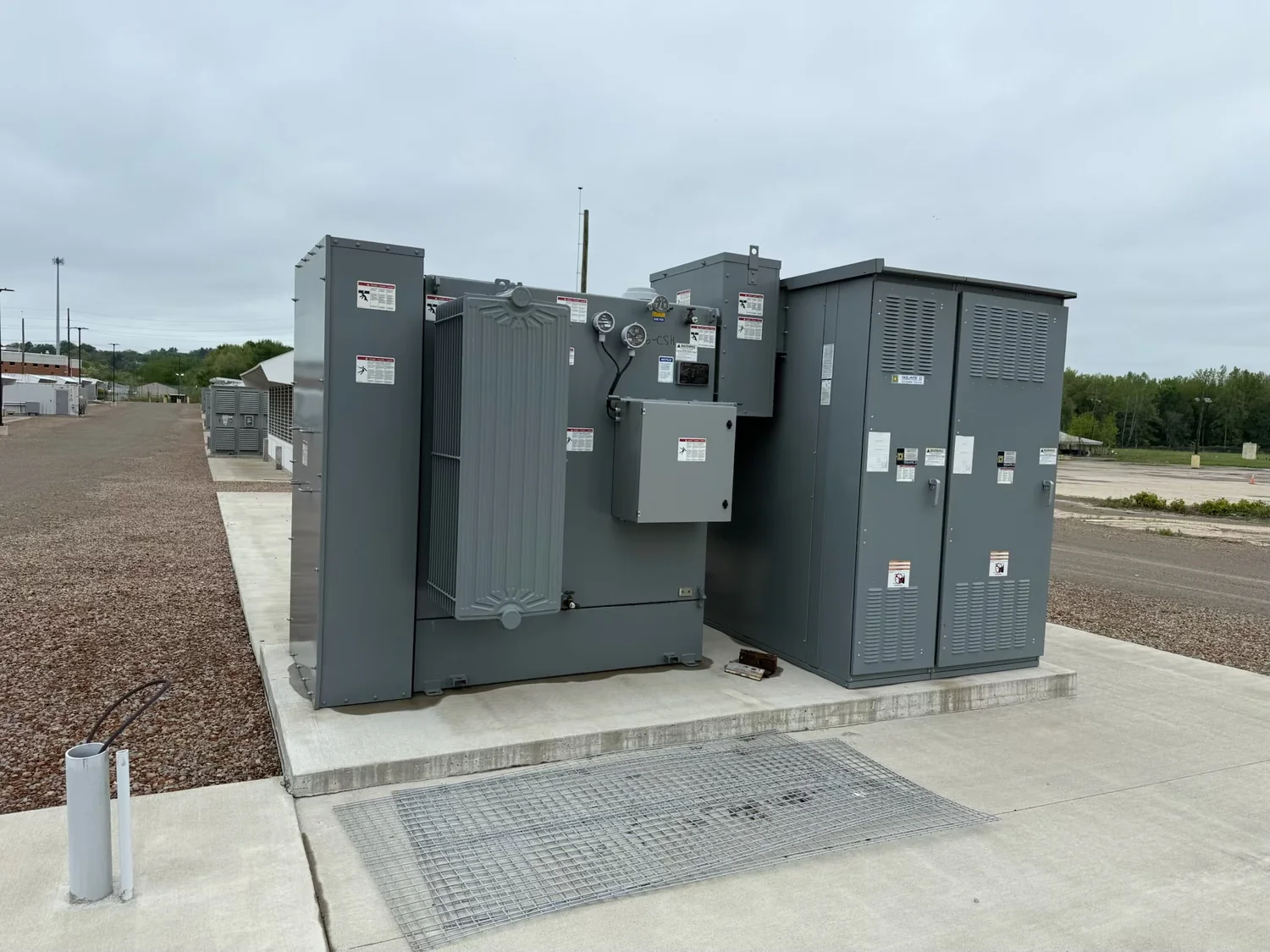
We Buy Used Switchgear in Petworth
Have surplus switchgear at a facility in Petworth? We buy used switchgear and can make a cash offer after reviewing the equipment and the proposed removal. We buy equipment only; we do not sell switchgear. The buyer pays upfront when an offer is accepted, and the seller does not need to test the equipment before requesting a review. We consider all voltage classes, but an offer depends on the specific equipment, its condition and completeness, ownership, and the removal plan.
For a useful first review, send clear photos of the equipment and nameplates, lineup dimensions, and a brief description of what is included. Also explain who owns the equipment, where it is located within the facility, and what approvals and access arrangements may apply. These details help determine whether the equipment and removal scope are a fit before schedules or responsibilities are set. We serve businesses across Washington, DC, Northern Virginia, and Maryland; this does not imply a local office in Petworth.
Prepare the equipment details before setting scope
Photograph each lineup from the front and, where safely accessible, from the sides and rear. Include overall views that show how sections connect, plus close-ups of readable nameplates and visible labels. Do not remove covers or approach exposed electrical parts just to take a picture. If a nameplate is missing, damaged, or difficult to read, note that rather than guessing at its contents. Photos should help show the equipment’s configuration and visible condition, not substitute for safe inspection by qualified personnel.
Measure the lineup as a whole and, if practical, record the width, height, depth, and number of sections. Note whether associated components, barriers, doors, bus connections, or other pieces are present or absent, and identify any parts being offered separately. These observations can affect the scope and handling plan, but they do not establish a final price. Include any available equipment records that can help identify the lineup, while avoiding assumptions about manufacturer, ratings, or specifications that are not visible or documented.
Ownership also needs to be clear. Confirm that the seller has authority to transfer the equipment and identify any other party whose approval may be required. A buyer can review the information provided and discuss a possible cash offer, but a final offer requires review of the specific assets and removal conditions. No seller testing is required for an initial offer review.
Coordinate approvals, contractors, and a realistic pickup window
A Petworth facility may have several parties whose calendars affect surplus-equipment removal, even when the precise site arrangements are not yet known. Before proposing a pickup date, identify the facility contact, the people responsible for electrical work, and any contractors whose work could overlap with the removal. Confirm access approvals, check-in requirements, allowed work hours, and whether the equipment must remain in place until another project milestone is reached. These details help avoid planning a pickup around a schedule that the site cannot support.
Share any known access constraints early. Useful details include the route from the equipment to the loading area, door or corridor dimensions, stairs or level changes, available staging space, loading-area restrictions, and whether a crane or other lifting arrangement may be needed. Describe restrictions factually; do not assume a particular truck, crane setup, or removal method will fit without review. The buyer and seller should confirm the proposed plan, who is responsible for each task, and a realistic pickup window before removal is scheduled.
Outage and site procedures can determine when removal is possible. De-energization, isolation, and disconnect work must be handled by qualified personnel in accordance with the facility’s safety requirements and outage procedures. Coordinate the timing with the site and any contractors responsible for that work. Do not ask unqualified staff to disconnect, open, move, or handle electrical equipment. A pickup date should be treated as a coordinated project window, not a guarantee that access or removal can proceed regardless of site conditions.
Removal, handling, and payment responsibilities
The buyer handles crane, rigging, disconnects, loading, freight, and hauling, subject to project arrangements and site access. Confirm responsibilities and the sequence of work with the buyer and the facility before removal. In particular, clarify how qualified disconnect work will be coordinated, what access the crew will need, and whether site approvals or contractor scheduling affect the planned window. The seller is not expected to provide testing as a condition of requesting an offer.
Although the buyer pays the costs for crane, rigging, loading, freight, and hauling, the practical removal plan still depends on the equipment and the site. Lineup dimensions, weight information if available, completeness, lifting points or handling limitations if documented, route clearance, staging, and access can all matter when the scope is reviewed. Do not infer safe lifting or handling instructions from a photograph. Have qualified project personnel review applicable site and equipment requirements, and agree on responsibilities before work begins.
Payment is arranged upfront: when an offer is accepted, the buyer pays upfront. The offer and project arrangements should be confirmed before scheduling removal so both parties understand what equipment is included, how access and disconnect work will be coordinated, and what pickup window is realistic. No amount can be determined responsibly from the location alone, and a preliminary discussion is not a guaranteed price.
Request a review for switchgear in Petworth
To begin, send clear equipment photos, readable nameplates where available, lineup dimensions, a list or description of included sections and components, and any known information about ratings. Add the equipment’s location within the facility, ownership and transfer authority, access approvals, and removal constraints. If contractor schedules, outage windows, or facility rules limit the available dates, mention those constraints early so pickup planning can account for them.
Once the information is reviewed, the buyer can discuss whether to make a cash offer and what further scope details are needed. If an offer is accepted, payment is upfront, and the buyer covers crane, rigging, loading, freight, and hauling, with responsibilities and project arrangements confirmed before removal. The buyer buys used switchgear; it does not sell equipment. For businesses in Petworth and the broader DC, Northern Virginia, and Maryland service area, a clear equipment description and coordinated access plan are the practical starting points for evaluating surplus gear.