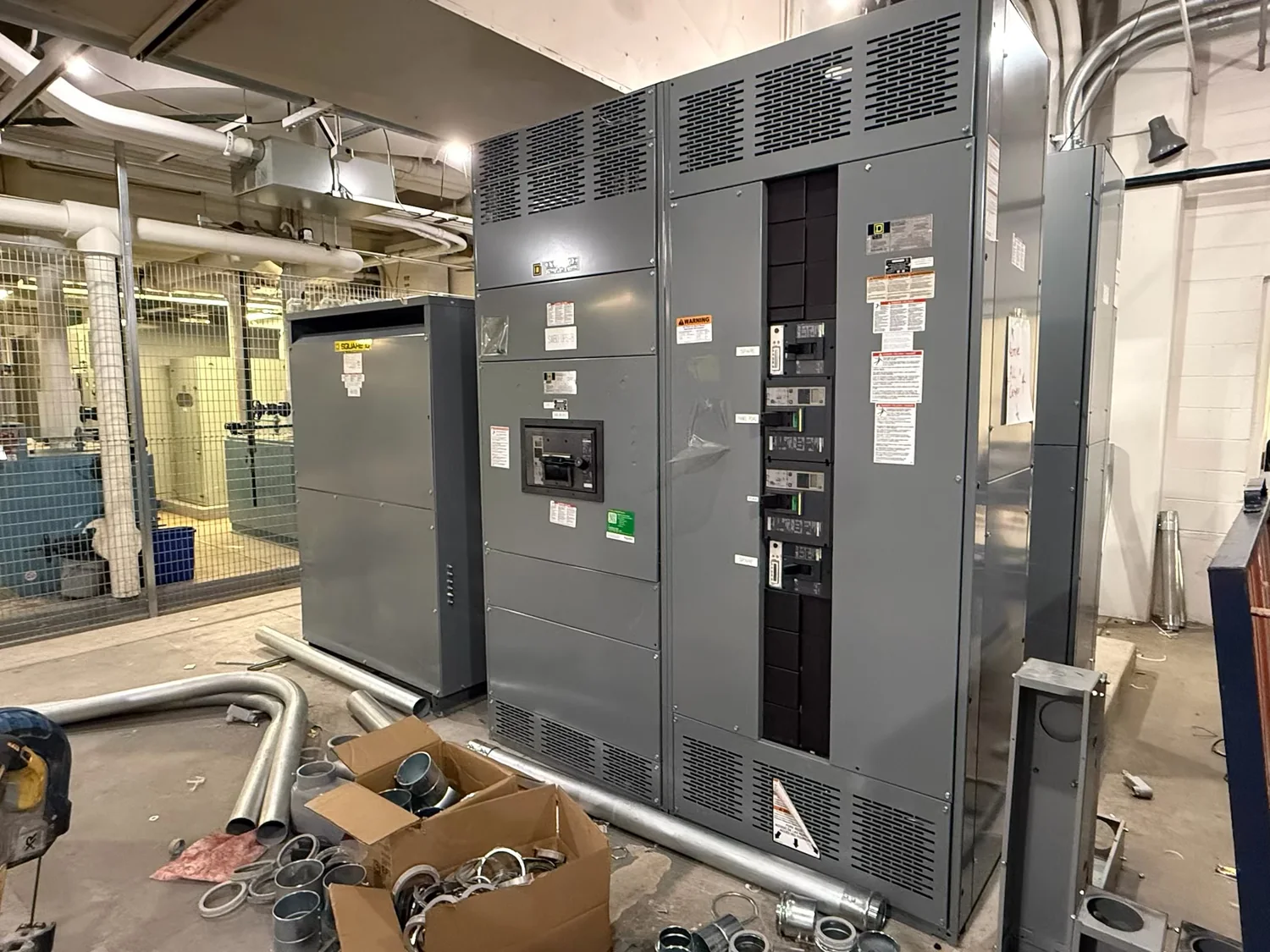
We Buy Used Switchgear in Shaw
If your facility in Shaw has used switchgear to disposition, we can review it for purchase. We buy electrical equipment; we do not sell it. We consider switchgear across all voltage classes, and the seller does not need to test the equipment before requesting a review. A preliminary assessment can begin with photographs and records, even when the lineup is inside a restricted electrical room and cannot be accessed for a walkthrough.
An initial review is not a final offer. The equipment’s identity, configuration, completeness, ownership, condition as represented, and practical removal requirements all matter. Clear information helps determine whether the equipment is a fit and what additional review may be needed. If an offer is made and accepted, payment is arranged upfront; removal responsibilities and timing are confirmed for the specific project before work is scheduled.
Start with photos and records from the electrical room
You can often assemble a useful first package without moving, opening, or handling energized equipment. Share clear overall photographs of the switchgear lineup, plus close-ups of each available nameplate and any readable labels. If safe, authorized photography is possible from the room’s permitted access area, images of the front, sides, ends, and visible rear configuration can help show the lineup’s arrangement. Do not enter restricted areas, remove covers, or approach equipment to take a picture unless the site permits it and the work is performed under its safety procedures.
Nameplate details and existing records may help identify manufacturer, model or type, ratings, serial numbers, and lineup sections. Include electrical drawings, equipment schedules, prior inventory records, or other documentation if available, but do not guess at unreadable specifications. A seller does not need to provide every record to begin a conversation; note what is unavailable or cannot be accessed. We do not make specific product claims based only on a brand name or a partial label, and the equipment must be reviewed rather than valued from a photo alone.
Photographs should also show visible damage, missing doors or panels, disconnected sections, storage condition, and any components that appear to be included with the lineup. Do not remove parts to improve the appearance of the equipment. If equipment completeness is uncertain, describe what is known and identify any separate items that may or may not be part of the proposed sale. This gives both sides a clearer basis for deciding what further information is needed.
Dimensions, access, and Shaw project coordination
Provide approximate lineup dimensions, including overall length, height, and depth when those measurements are available. Note the number of sections or cubicles if known, and distinguish the switchgear lineup from associated equipment that is not included. Existing drawings or a measured equipment schedule can be useful, but measurements should not require unsafe access or interference with the installation. If exact dimensions cannot be confirmed from records, say so and share photographs that convey the layout and scale where site rules allow.
For a facility in Shaw, removal planning should account for the actual building route rather than assume a particular loading area or access arrangement. Useful details may include room location, door and corridor clearances, elevator or stair restrictions, floor or threshold conditions, route length, loading access, work-hour limits, security check-in, escort requirements, and any rules for bringing equipment or crews on site. Share constraints you already know; the buyer can coordinate questions and site arrangements with the seller before removal scope is set. No building access or removal method should be assumed until the responsible parties confirm it.
Scheduling may depend on site access, outage windows, facility operations, building procedures, and the availability of qualified personnel and removal resources. Provide any known timing limits early, including required notice, restricted work periods, or deadlines for clearing the room. The exact sequence and responsibilities are project-specific, so agree on them before committing to a removal date.
Ownership, disconnection, and safe removal
Before an offer is finalized, clarify who owns the switchgear and who has authority to sell it. If it belongs to a property owner, tenant, client, lender, or another organization, confirm that the appropriate party has authorized the transaction. Also identify whether the proposed sale includes only the switchgear or any related components, and whether other equipment, cabling, building systems, or materials must remain in place. These details help prevent misunderstandings about the scope of the transaction and removal.
Any de-energization, isolation, and disconnection must be handled by qualified personnel under the facility’s safety and outage procedures. Do not ask unqualified staff to disconnect, open, move, or handle electrical equipment. Coordinate the required shutdown, isolation verification, permits or internal approvals, and access timing with the site’s responsible electrical and safety personnel. The buyer’s removal plan must be coordinated with those requirements; seller-provided photographs and records do not replace site controls or qualified work.
The buyer handles crane, rigging, disconnects, loading, freight, and hauling, subject to project arrangements and site access. Before removal, confirm the division of responsibilities, the permitted work area and route, timing, and any site-specific conditions that affect how equipment can be taken out. The buyer pays the crane, rigging, loading, freight, and hauling costs, with responsibilities confirmed before removal. The physical removal scope still depends on access, the agreed project plan, and coordination with the facility.
Offer review and next steps
To request a review, send the facility location in Shaw, clear equipment and nameplate photos, available lineup dimensions and records, a description of what is included, and the known ownership and access details. Include any visible completeness issues and removal constraints, even if some information is preliminary. If photography or measurements are restricted, say what can and cannot be provided; do not bypass facility rules to gather more information.
After reviewing the information, we may ask follow-up questions or request a site-specific review before determining whether to make an offer and defining the removal scope. No final price can be responsibly stated without reviewing the equipment and relevant project details, and an initial discussion is not a guarantee of purchase. If an offer is made and accepted, payment is arranged upfront. The parties then confirm the project-specific logistics, responsibilities, site access, and schedule before removal proceeds.
This approach is intended to make the first step practical for sellers managing equipment in a restricted electrical room: share what can be documented safely, identify what remains uncertain, and coordinate all access and electrical work through the facility’s qualified personnel. It supports a clear review without requiring the seller to test the switchgear or perform the removal.