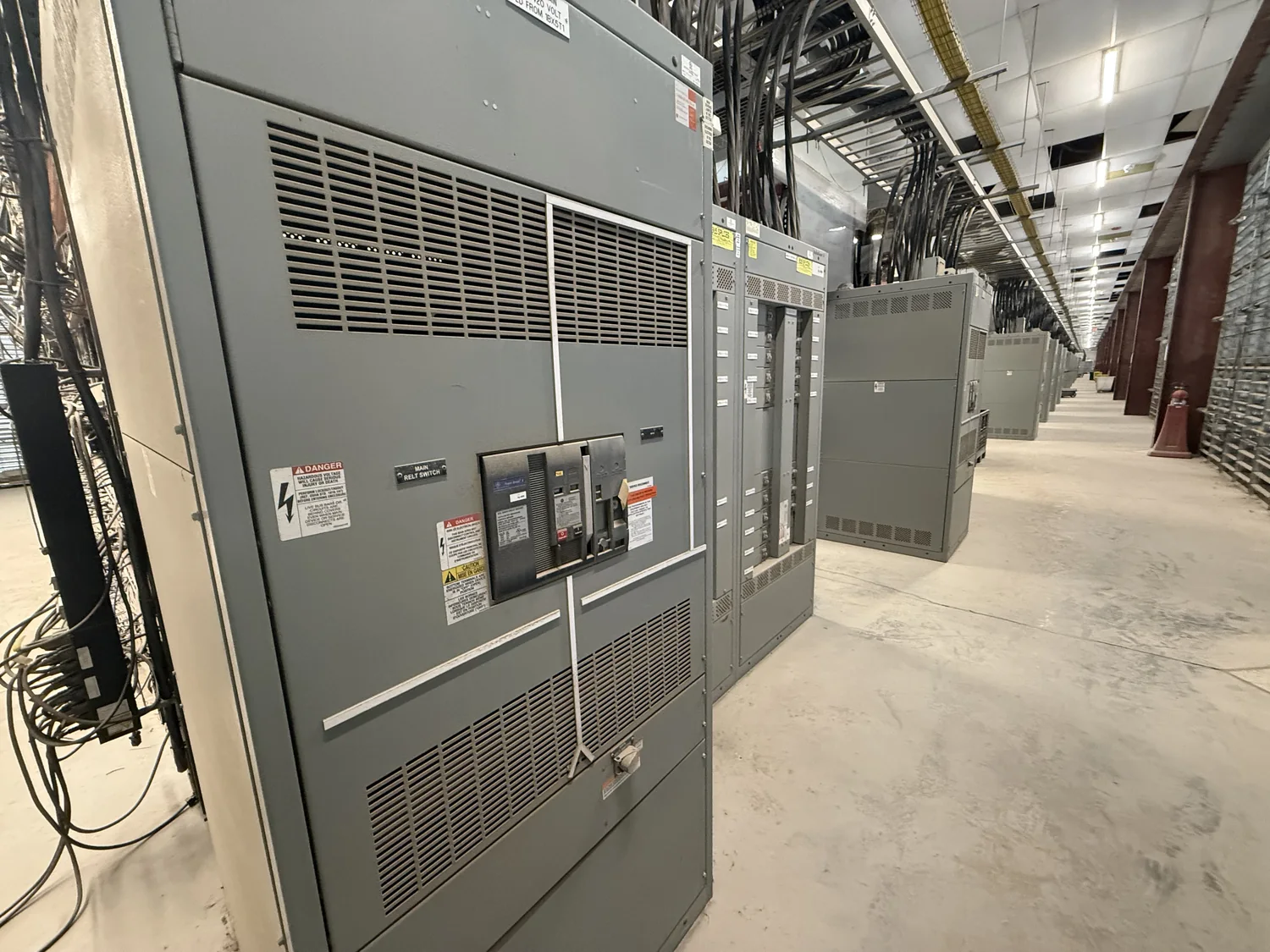
Selling Used Switchgear in U Street: Start With the Scope
If your facility in U Street has used switchgear to dispose of, the first step is a clear description of what is available and what must remain in service. A lineup can include sections intended for removal alongside sections that the facility plans to retain. Those boundaries affect the equipment review, removal sequence, access plan, and timing, so they should be identified before an offer or removal scope is set.
We buy used switchgear and can make a cash offer after reviewing the equipment and project details. If you accept the offer, payment is arranged upfront. The buyer also handles crane, rigging, loading, freight, and hauling costs, subject to the agreed project arrangements and actual site access. Responsibilities and scope should be confirmed before removal; an initial conversation is not a final price or a guarantee that every listed section can be removed as described.
Document the Lineup Before Requesting an Offer
Send clear photos of the full lineup and closer views of the sections being considered. Include readable nameplate photographs where available, along with lineup dimensions: overall length, height, depth, and the approximate dimensions of individual sections if the lineup is mixed or has breaks between sections. Photos should show visible labels, section identifiers, adjoining equipment, and the surrounding room or route where relevant. These details help establish what is present without requiring the seller to test the equipment.
Describe the equipment as accurately as you can, including any available ratings and identifying information shown on its nameplates. We consider all voltage classes, but the information provided should be reviewed before anyone determines the purchase scope. You do not need to arrange testing as a condition of presenting the equipment. If a nameplate is unreadable, a section is inaccessible, or information is unknown, say so rather than guessing.
For a mixed lineup, mark each section as one of three categories: proposed for removal, to remain in place, or not yet determined. Match those categories to the photos and any section labels. Note shared enclosures, bus connections, barriers, or other visible interfaces that may affect where the proposed scope begins and ends. Do not assume that a line drawn on a photo by itself settles the technical boundary; the written scope should identify the included sections and any exclusions clearly.
Confirm Ownership, Access, and Removal Constraints
Before scope is finalized, provide the ownership or authority details needed to confirm that the equipment may be sold and removed. If the asset is owned by a building owner, tenant, contractor, lender, or another party, clarify who can approve the sale and who will authorize access and removal. The buyer should not proceed on an assumption that the person requesting an offer has authority to transfer the equipment.
Describe the site access that matters to planning: the equipment’s location within the facility, the route from the room to a loading point, doorways and turns, stairs or elevators, overhead or floor constraints, and any known restrictions on staging or vehicle access. Share relevant dimensions and photos of the route if available. For a U Street facility, coordinate any route, curbside, loading, or building-access arrangements directly with the responsible site contacts; do not assume that a particular loading area, street condition, or access window is available.
Identify removal constraints such as a required outage window, restricted work hours, occupied areas, shared access routes, retained adjacent equipment, or a deadline imposed by a project. These details do not establish that removal is feasible on their own, but they help the parties determine what should be reviewed and scheduled. Site access and timing must be coordinated for the specific project before work is arranged.
Separate Removable Sections From Retained Equipment
When only part of a lineup is available, document the dividing points in writing. List the sections included in the sale by their visible identifiers or locations in the lineup, and separately list sections that must remain. Describe any uncertain boundary, shared component, or connection that needs further review. Attach the marked-up photos or a simple lineup sketch so the written description can be checked against what is on site.
Ask the facility’s responsible technical team to identify how the proposed removal relates to equipment that remains in operation or is otherwise excluded. The buyer’s scope must not be treated as authorization to alter, disconnect, or remove retained equipment. Any change to the agreed boundary should be reviewed and approved by the appropriate site representatives before removal. Written approval is especially important when a proposed section is adjacent to retained sections or when the visible lineup does not clearly show the separation.
A complete scope record can state the equipment included, equipment excluded, known conditions or missing information, who will provide site access, and which party coordinates each project responsibility. It should also capture the agreed removal sequence and any conditions that must be met before work begins. This helps reduce misunderstandings between the seller, the buyer, and the facility team, but it does not replace the site’s technical review or safety procedures.
Coordinate Qualified Disconnects and Removal Logistics
The buyer handles crane, rigging, disconnects, loading, freight, and hauling, with the exact responsibilities and arrangements confirmed for the project. This does not mean that unqualified personnel should disconnect or handle electrical equipment. De-energization, isolation, and disconnect work must be carried out by qualified personnel under the facility’s safety and outage procedures. Coordinate the responsible parties, required approvals, access, and timing before a removal date is set.
Share known constraints that could affect lifting or transport, including equipment dimensions, weight information if available, overhead clearance, floor or route limitations, staging options, and access for removal equipment. Do not estimate unknown weights or assume that a particular crane or rigging method will work. The project team must review the actual equipment and site conditions and agree on practical arrangements. The buyer pays the crane, rigging, loading, freight, and hauling costs, while specific responsibilities and access conditions should be confirmed in advance.
To begin, provide the lineup photos, nameplates, dimensions, section-by-section removal boundary, ownership details, and access information. We can review that information, discuss the project scope, and make a cash offer if the equipment is suitable for consideration. No seller testing is required. If an offer is accepted, payment is arranged upfront; the removal plan, site coordination, and written scope still need to be settled before work proceeds.