Eaton Switchgear Surplus Review
If an equipment changeout, facility closure, or electrical-system refresh leaves Eaton switchgear no longer needed, a surplus review can help determine whether it is suitable for purchase. This page is for businesses in Washington, DC, Northern Virginia, and Maryland that want a practical way to present equipment for review. The buyer purchases surplus equipment only; it does not sell switchgear. A review is not a promise that equipment will be accepted or a final price: the scope and any cash offer depend on the specific assets, their condition and completeness, ownership, and removal requirements.
The Eaton name identifies the equipment being considered, not an affiliation or endorsement. No model, product capability, or voltage specification should be assumed from the brand alone. The buyer considers all voltage classes, and the seller is not required to test the equipment. A clear initial description helps establish what is present and what additional information may be needed before an offer or removal plan can be discussed.
What to Send for an Initial Review
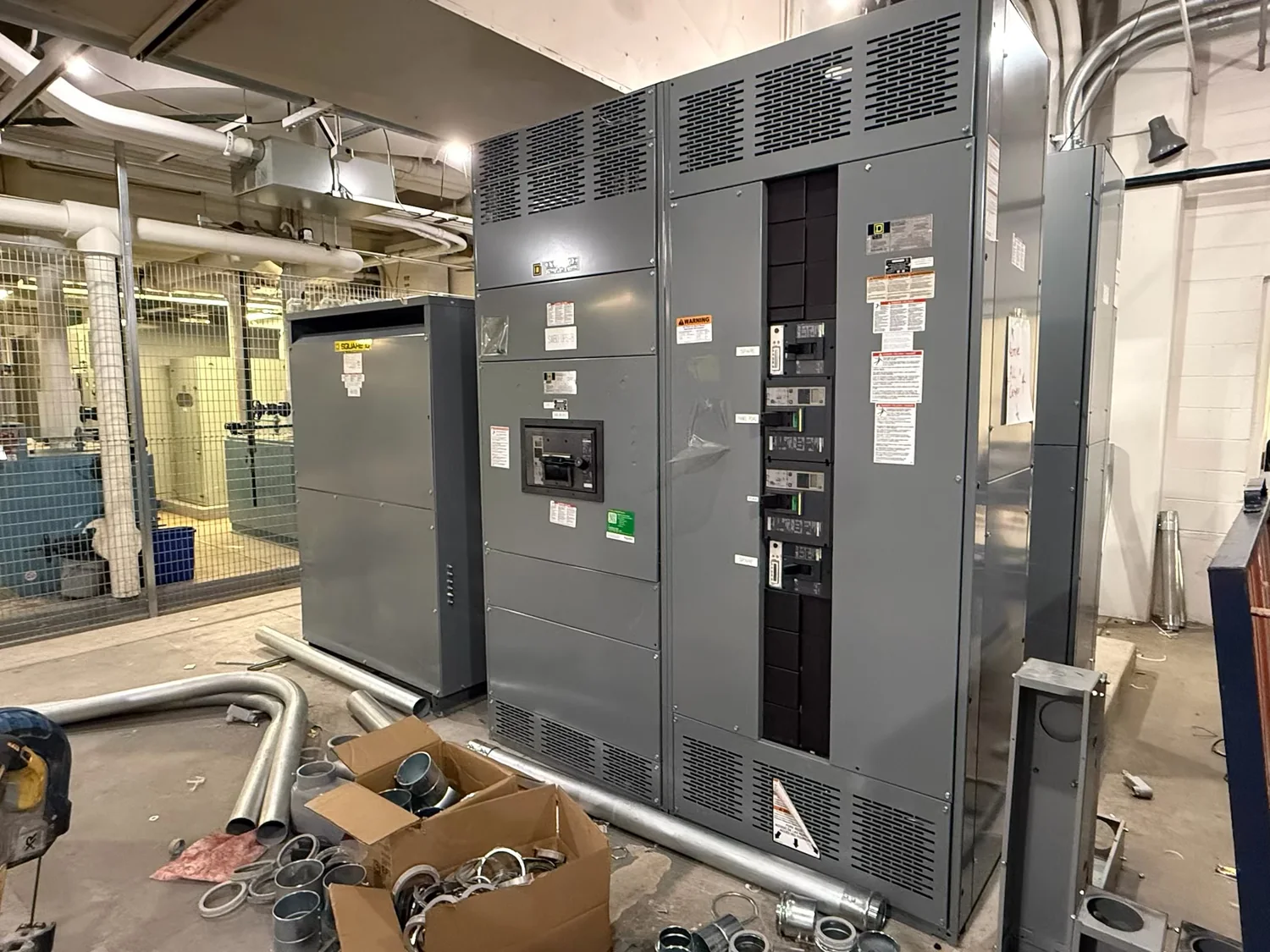
Start with clear, well-lit photos of the lineup and its surroundings. Include overall views that show how many sections are present and how they are arranged, plus closer images of visible nameplates, labels, and identifying information. Do not remove covers or approach energized equipment to obtain a picture; arrange photographs only where site rules and qualified personnel allow. If a nameplate is unreadable or inaccessible, say so rather than guessing at its contents.
Provide lineup dimensions where available, including approximate width, height, and depth, and note the number of sections or cabinets. Share any known ratings and configuration details from existing records or labels, without inferring missing specifications. Explain whether the equipment appears complete, and identify known missing parts, damage, modifications, or items that will remain with the facility. Drawings, inventories, and changeout records can help clarify scope, but they do not replace review of the actual assets.
Also include the equipment’s location within the facility, who owns it, and who is authorized to approve its sale and coordinate access. For leased, customer-owned, or otherwise encumbered equipment, confirm that the seller has authority to transfer it before proceeding. Note floor level, route to an exit, door or corridor limitations, loading-area conditions, operating restrictions, and any known lift or removal constraints. These facts help determine whether the proposed scope and schedule are workable; they do not establish a final price on their own.
Condition, Completeness, and Scope
A surplus review considers the equipment as it is presented, along with the information available about it. Tell the buyer whether the switchgear is still installed, already disconnected, stored, or partly dismantled. Identify sections or components that are included and those that are excluded. If accessories, documentation, or related equipment may be part of the transaction, list them separately so the scope is not left to assumption. The seller does not need to arrange testing for the review.
Condition and completeness matter alongside the cost and complexity of removal. Photos and records can support an initial discussion, but a buyer may need clarification or a site review before deciding whether to make an offer. Any cash offer is subject to that review and agreement on the assets and project responsibilities. Do not treat an informal estimate, a photograph, or a preliminary discussion as a guaranteed purchase price or acceptance of every item in a lineup.
If the equipment is part of a larger changeout or closure, describe the relevant schedule and any sequencing requirements. For example, the facility may need space cleared by a particular date, or removal may need to follow other contractor work. Share only confirmed requirements and allow time to coordinate the scope, site access, and removal plan before committing to a date.
Safe Disconnects and Coordinated Removal
Electrical equipment must not be disconnected or handled by unqualified personnel. De-energization, isolation, and disconnect work must be performed by qualified personnel under the facility’s safety procedures and outage requirements. The site controls its own authorization, access, and safety process; coordinate the responsible personnel and timing with the buyer before removal. Do not assume that an accepted offer authorizes work during an outage or overrides facility rules.
For a purchase, the buyer handles crane, rigging, disconnects, loading, freight, and hauling, subject to project arrangements and site access. Confirm responsibilities and the removal scope before work is scheduled. The practical plan may depend on the lineup’s dimensions and weight information, whether it is installed or already prepared for removal, the path out of the building, crane or rigging access, loading conditions, and restrictions on working hours or vehicle access. If information is not known, flag it early so the parties can determine what needs confirmation.
Regional projects can involve different facility access rules and scheduling requirements across Washington, DC, Northern Virginia, and Maryland. Share the site’s actual constraints rather than assuming a particular permit, route, or building procedure applies. The buyer’s handling of logistics remains subject to agreed arrangements and a workable, authorized site plan. No removal date should be considered firm until scope, access, qualified disconnect work, and timing have been coordinated.
Offer and Payment Process
Once the assets and project details have been reviewed, the buyer may make a cash offer for the agreed scope. A useful review starts with the nameplate and equipment photos, lineup dimensions, available ratings and records, completeness, ownership authority, and a realistic account of access and removal constraints. Further information may be needed to settle what is included and how the work can be arranged. A final price is not established until the buyer has reviewed the relevant details and made an offer.
Payment is arranged upfront, and the buyer pays upfront when an offer is accepted. Before acceptance, confirm which equipment is covered, the agreed purchase amount, payment arrangements, removal responsibilities, site requirements, and the planned schedule. The buyer pays the crane, rigging, loading, freight, and hauling costs, with responsibilities confirmed before removal; the buyer also handles disconnect work subject to project arrangements and qualified-personnel requirements. Clear written scope helps avoid confusion about excluded assets, access, and timing.
To begin, send the information already available and identify anything that needs a site-specific discussion. There is no seller testing requirement, no assumption about a particular Eaton model, and no guaranteed offer based solely on the brand. A careful review lets the buyer determine whether the surplus switchgear and its removal conditions fit the proposed transaction.