GE Switchgear Surplus Review in the Washington, DC Region
A changeout, facility closure, or equipment refresh can leave a business with GE switchgear it no longer needs. This page is for organizations in Washington, DC, Northern Virginia, and Maryland considering a sale of surplus equipment. The business described here buys switchgear; it does not sell equipment, and this page does not imply a relationship or endorsement from GE.
A useful first step is a practical review of the equipment and the site conditions—not an assumption about model, voltage, age, or resale value. The buyer considers all voltage classes, and the seller does not need to test the equipment before making an inquiry. Clear information helps determine whether the equipment, ownership documentation, removal scope, and schedule warrant a project-specific offer.
What to Gather for an Initial Review
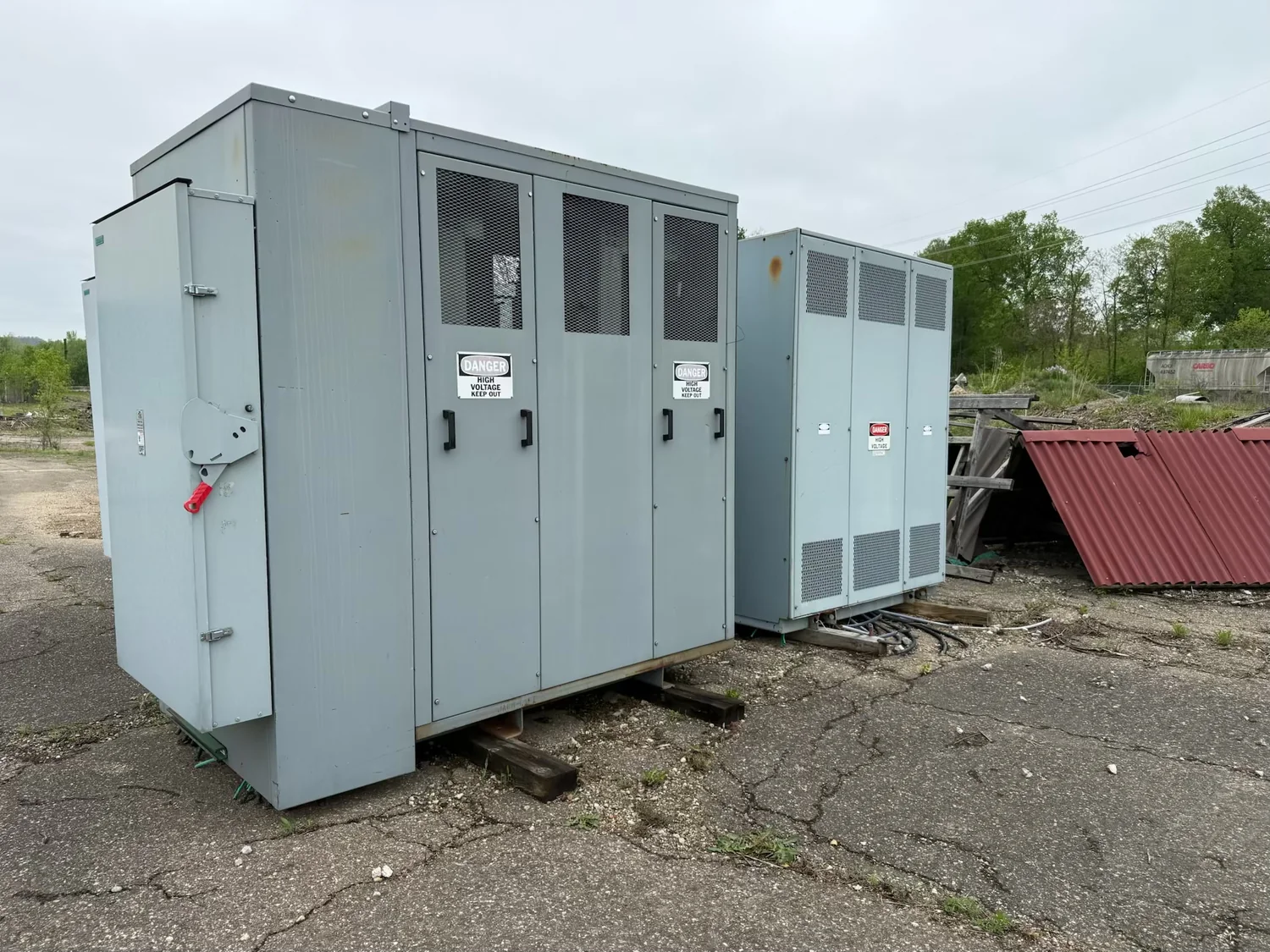
Start with clear photographs of the complete lineup and its surroundings. Include overview images from more than one angle, plus close, readable photographs of each available nameplate and any labels that identify sections or components. If equipment is already dismantled, photograph the separate pieces and show how they are grouped. Do not remove covers or approach energized equipment to obtain images; photographs should be taken only where site rules permit and without exposing anyone to electrical or other hazards.
Provide approximate lineup dimensions, including overall length, height, and depth where they can be measured safely. Note the number of sections, visible enclosures, and any associated parts that are included in the potential sale. Nameplate details may help the buyer understand the equipment under review, but no particular model, rating, configuration, condition, or completeness should be assumed from a brand name alone. If a label is missing, obscured, or unreadable, say so rather than guessing.
A brief inventory is useful when available. List what appears to be included with the switchgear and flag known omissions, loose parts, damage, storage conditions, or changes made during the refresh. The buyer may ask follow-up questions or request additional photographs after reviewing the initial information. This is a preliminary review, not a final price commitment; any offer depends on the equipment and project scope being assessed.
Ownership, Access, and Removal Planning
Confirm that the person arranging the sale has authority to transfer the equipment, and explain who owns it if it belongs to a landlord, tenant, contractor, lender, or other party. Note any approval steps or records that may affect the asset disposition. Clear ownership and decision-making contacts help avoid delays when an offer is being considered and removal is being scheduled.
Describe the site access available in Washington, DC, Northern Virginia, or Maryland: the equipment’s location within the property, the route from its current position to the loading area, access hours, loading constraints, and any known restrictions on staging or vehicle access. The buyer’s ability to complete a removal depends on actual project arrangements and site access, which must be reviewed rather than presumed. Share known constraints early, such as narrow routes, stairs, limited clearances, occupied areas, or scheduling windows that could affect removal.
The buyer handles crane, rigging, disconnects, loading, freight, and hauling, subject to project arrangements and site access. Responsibilities, scope, timing, and access must be confirmed before removal. De-energization, isolation, and disconnect work must be performed by qualified personnel under the site’s safety and outage procedures. Do not ask unqualified staff to disconnect, move, or handle electrical equipment. Coordinate the required personnel, outage timing, and site access for the specific project before a removal date is set.
Offer and Payment: What Sellers Can Expect
After reviewing the available information, the buyer can determine whether it is prepared to make an offer. A final amount should not be assumed from photographs, a brand name, or a general description alone. The review may depend on the identifying information, lineup dimensions, visible condition, included components, ownership, and the practical removal requirements. The buyer may request clarification before defining the scope or presenting an offer.
If an offer is accepted, payment is arranged upfront. The buyer pays all crane, rigging, loading, freight, and hauling costs, with the responsibilities confirmed before removal; disconnect work and other project arrangements must likewise be coordinated for the site. Sellers should make sure the accepted scope, payment arrangements, access plan, and timing are clear before work begins. No seller testing is required for an inquiry, and there is no guarantee that every item or project will result in an offer.
A Clear Next Step for a Regional Sale
To begin a GE surplus switchgear review, prepare the clearest available photos, nameplate images, approximate lineup dimensions, an inventory of what is included, and a short description of the changeout, closure, or refresh. Add the ownership contact, the equipment’s current location on site, access details, and any known removal or scheduling constraints. These basics help the buyer assess the opportunity without presuming facility conditions or equipment specifications.
For projects across Washington, DC, Northern Virginia, and Maryland, early coordination is especially useful when site access, outage procedures, or removal timing needs to fit into a larger asset-disposition plan. Share what is known, identify what still needs confirmation, and allow the buyer to review the project before scope and responsibilities are settled. The result is a more informed conversation about whether the surplus equipment is suitable for purchase and how a potential removal could be arranged.