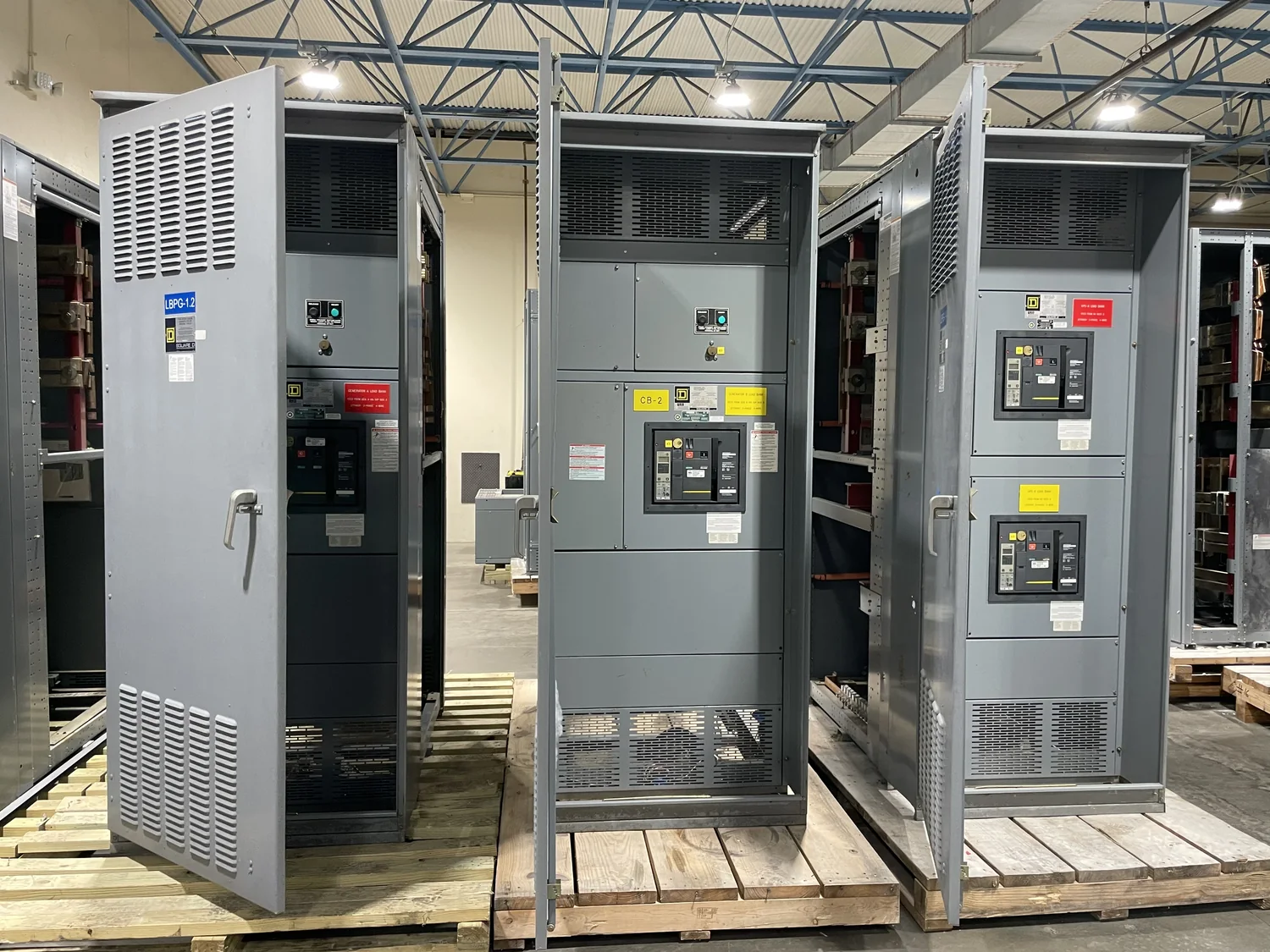
Motor Control Center Removal Planning for DC-Area Sellers
Planning the removal of a motor control center (MCC) is part of the sale decision, not an afterthought. Lineups may include multiple sections, installed buckets or other components, and connections to facility systems. Before anyone sets a removal scope, the buyer needs enough information to review what is being offered and understand how it can be reached and taken out safely.
For sellers in Washington, DC, Northern Virginia, and Maryland, practical planning starts with the actual site—not assumptions about the building, its equipment, or local access. A facility may have limited delivery routes, shared loading areas, restricted working hours, or other site-specific constraints. These details can affect scheduling and removal methods, so share them early. The buyer purchases equipment only; it does not sell replacement MCCs or perform electrical disconnection on the seller’s behalf.
Prepare Photos, Nameplates, and Lineup Details
Send clear photographs of the complete lineup and individual sections. Useful views include the front, sides where accessible, interior areas only when they can be photographed safely by qualified personnel, and any visible damage, missing parts, or modifications. Avoid opening energized equipment or removing covers for a sales inquiry. If a photograph cannot be taken safely, say so and provide other available documentation instead.
Include readable nameplate images and any records that help identify the equipment being offered. The buyer considers all voltage classes, but that does not remove the need to review the specific equipment. Nameplate information, lineup dimensions, section count, configuration, ratings, and available drawings or schedules can help establish what is present. Do not infer a rating from appearance or assume that a lineup is complete based on a single exterior photo.
Measure the lineup’s overall length, height, and depth when those measurements can be obtained safely. Note the approximate size and weight if documented, as well as the location of any sections that are separate, obstructed, or difficult to reach. Identify whether the offer includes the full lineup, selected sections, or associated components. A clear inventory of what stays and what goes can prevent confusion when the removal scope is confirmed.
Confirm Ownership, Access, and Removal Constraints
Before requesting a purchase review, confirm that the business or person offering the MCC has authority to sell it. If the equipment is leased, financed, subject to a lien, owned by a landlord, or otherwise controlled by another party, resolve the relevant authorization before scheduling removal. The buyer may need confirmation of ownership and agreement on the exact assets included; a site contact’s ability to grant access does not by itself establish authority to sell.
Describe the equipment’s location within the facility and the route from its present position to the loading point. Relevant details may include floor level, door and corridor clearances, turns, stairs, elevators, overhead restrictions, exterior access, loading-dock rules, parking or staging limits, and whether a crane or other lifting arrangement might be needed. Share known restrictions on work hours, building access, escorts, security procedures, noise, or coordination with other occupants. These are planning questions, not assumptions about any particular DC-area facility.
Also disclose removal constraints that could change the scope or timing: adjacent equipment that must remain in service, limited shutdown windows, restricted staging areas, demolition or construction sequencing, environmental or housekeeping requirements, and any components that cannot be removed with the MCC. Site access and timing must be coordinated for the project. A review of photos or records is not a substitute for confirming actual conditions before work begins.
Plan Disconnection and Removal Safely
Any de-energization, isolation, and electrical disconnection must be performed by qualified personnel under the site’s safety, outage, and authorization procedures. Do not ask unqualified staff to disconnect, move, open, or handle electrical equipment. The seller and facility team should determine who is responsible for those tasks and ensure that required approvals, outage coordination, and safe access are in place before removal. The buyer can coordinate the project scope, but responsibility for electrical work must be expressly settled rather than assumed.
The buyer handles crane, rigging, loading, freight, and hauling, subject to project arrangements and site access. Confirm responsibilities before removal, including what work the seller’s qualified personnel must complete, when the equipment will be available, where loading can occur, and whether the route and staging area support the agreed plan. Crane and rigging needs depend on the actual equipment, building, access route, and site conditions; they should not be set from photos alone. Do not treat a preliminary discussion as authorization to begin work.
Request a Purchase Review and Coordinate Timing
To begin a review, provide the photos, nameplates, lineup dimensions, equipment inventory, ownership confirmation, site contact, access information, and any known removal constraints. Include your preferred schedule and any outage or building-access windows that may affect the project. If records are incomplete, explain what is missing; the buyer can review the information available and identify what else may be needed before agreeing on scope.
The buyer may make a cash offer after reviewing the equipment and relevant project details. No testing is required by the seller as a condition of requesting a review. An offer is not a guaranteed final price until the equipment and agreed scope have been reviewed, and pricing should not be treated as settled before that review. If an offer is accepted, payment is arranged upfront. The buyer pays the crane, rigging, loading, freight, and hauling costs, with responsibilities and project arrangements confirmed before removal.
A written scope should make clear which MCC sections and associated items are included, who handles electrical disconnection, how access and timing will be coordinated, and what removal services the buyer will provide. For sellers across the Washington, DC region—including Northern Virginia and Maryland—early, accurate information helps the parties plan around the actual site and avoid relying on assumptions about equipment condition, ownership, access, or scheduling.