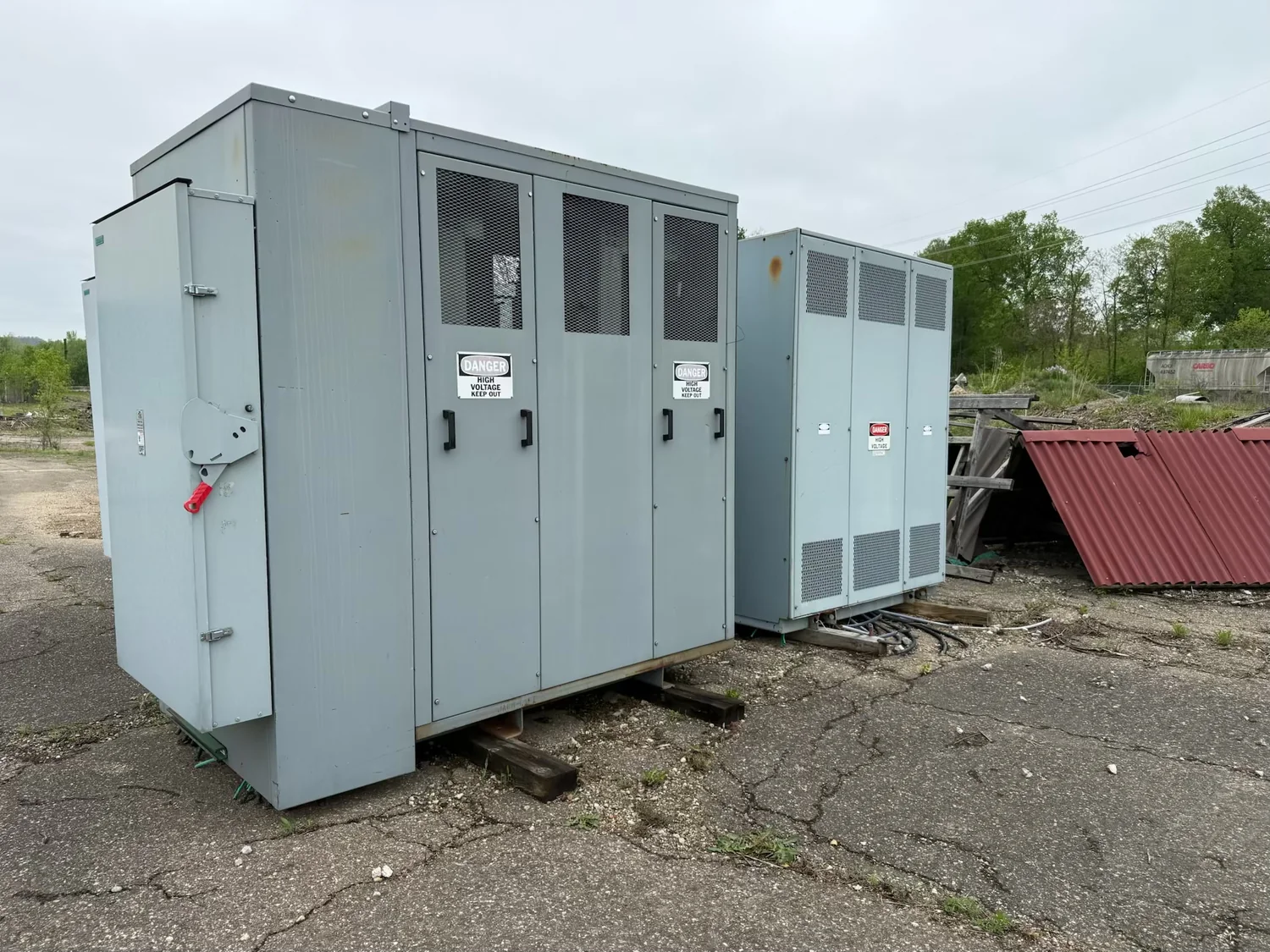
Panelboard Removal Planning for DC-Area Sellers
Planning to sell a panelboard is not simply a matter of identifying a cabinet and arranging a pickup. The equipment’s condition, completeness, ownership, electrical status, and route out of the facility can all affect whether a purchase is practical and how removal should be scoped. For sellers in Washington, DC, Northern Virginia, and Maryland, a clear early review can help coordinate the people responsible for the equipment, the site, and the removal work.
This business buys panelboards; it does not sell them. It can review equipment from any voltage class, and the seller does not need to perform testing as a condition of submitting it for review. If an offer is accepted, payment is arranged upfront. The buyer handles crane, rigging, disconnects, loading, freight, and hauling, subject to the project arrangements and site access. The exact division of responsibilities, timing, and removal scope should be confirmed before work is scheduled.
Start With Clear Photos and Equipment Information
Send clear photographs of each panelboard being offered. Useful views include the full front, sides, rear where safely accessible, interior with doors open only if the equipment has been made safe by qualified personnel, and any visible damage or missing parts. Close-up photos of nameplates and labels help identify the equipment for purchase review. Do not remove covers or approach exposed electrical parts to take pictures; follow facility rules and have qualified personnel determine what can be accessed safely.
Provide the information visible on the nameplate, such as manufacturer, model or catalog number, serial number, ratings, and other markings. Include the lineup’s overall dimensions—height, width, and depth—and note how many sections or cabinets are included. If there are associated components or accessories, describe them and photograph them separately when practical. Share what is known about completeness, including whether doors, covers, breakers, trim, internal components, or other parts are present or absent. These details support an initial review but do not establish a final price; the equipment and project still require review.
Clarify Ownership, Condition, and Removal Scope
Before requesting an offer, confirm that the person or organization arranging the sale has authority to transfer ownership. Identify whether the panelboard is owned outright, is part of a larger asset-disposition process, or is subject to another party’s approval. If it is being removed as part of a renovation, facility change, or equipment replacement, explain the expected schedule and whether the equipment must remain in place until a particular date. Do not assume that a purchase review itself authorizes removal or changes the site’s approved work plan.
Describe the panelboard’s known condition and history without guessing. Note whether it is installed, stored, previously removed, incomplete, or visibly damaged, and disclose known issues or missing parts. Seller-performed testing is not required for review. However, accurate condition information matters: avoid describing equipment as operational or complete unless that status is known and can be supported. The buyer can consider the information provided and determine whether an offer is appropriate after review; neither acceptance nor a particular value should be assumed in advance.
Coordinate Safe Disconnects and Site Access
Any de-energization, isolation, and disconnect work must be performed by qualified personnel under the facility’s safety procedures and outage plan. The buyer’s responsibility for disconnects does not mean that unqualified staff should operate electrical equipment, remove covers, or attempt to make a panelboard safe. The site’s authorized personnel should establish the required electrical condition, controls, permits or internal approvals, and work window for the project. Coordinate those requirements with the buyer before setting a removal date.
Provide practical access details early. Explain where the equipment is located, how crews and equipment can reach it, and whether there are stairs, narrow corridors, restricted doors, loading-dock rules, limited working hours, security check-in, or other site constraints. Share relevant doorway, corridor, elevator, and loading-area dimensions, along with the panelboard’s dimensions and approximate weight if known. Mention overhead obstructions, floor or ground conditions, parking and staging limits, and any restrictions that could affect a crane, rigging, or hauling plan. These are project-specific facts to confirm—not assumptions about a particular DC-area facility.
Agree on Logistics Before Removal
The buyer handles crane, rigging, disconnects, loading, freight, and hauling, subject to site access and agreed project arrangements. Before removal, confirm in writing how the work will be coordinated, what access the site will provide, the expected sequence, and who will be present to authorize entry and coordinate facility requirements. The buyer and seller should also confirm any site-specific restrictions that affect equipment, crew access, staging, outage timing, or the permitted removal window. A workable plan depends on the actual equipment and location; unusual access or removal constraints may require further review before scope is set.
Once an offer is accepted, payment is arranged upfront. The purchase review should establish the equipment being included, the information supporting the review, and the agreed logistics before removal proceeds. Send the nameplate details, clear photos, lineup dimensions, completeness and condition notes, ownership confirmation, and access information as early as possible. With those details available, the buyer can assess the panelboards and discuss a project-specific offer and removal plan without relying on a price guess or an unverified assumption about the site.