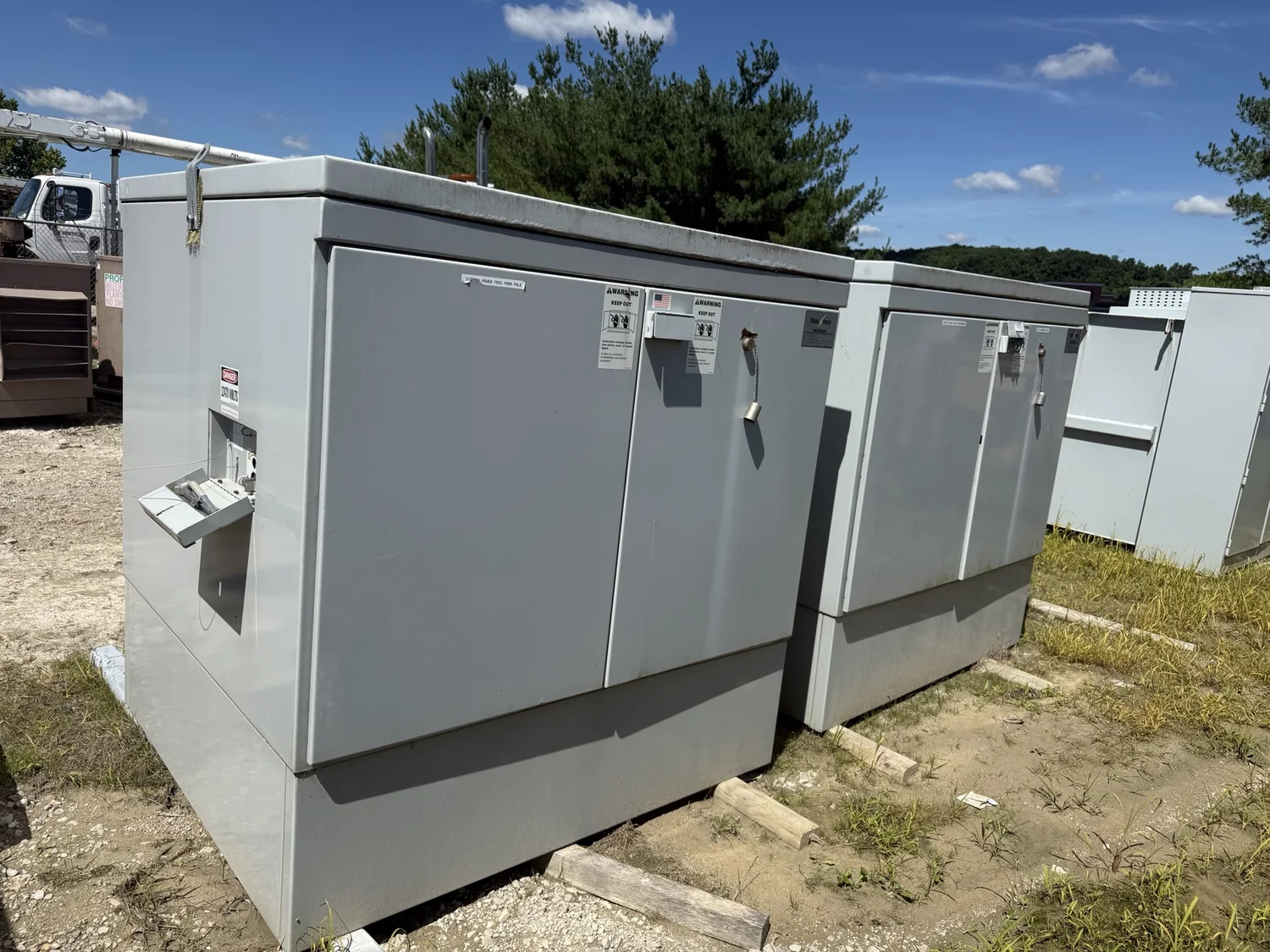
Schneider Electric Switchgear Surplus Review
Surplus switchgear can remain after a facility changeout, closure, or equipment refresh, even when the replacement project is complete. If you have Schneider Electric switchgear to disposition in Washington, DC, Northern Virginia, or Maryland, the first step is a review of the actual equipment and the conditions for removing it. A brand name alone does not establish the lineup’s model, configuration, condition, completeness, or value, so no final price should be assumed before the buyer reviews the details.
The buyer purchases surplus electrical equipment and can make a cash offer. If you accept an offer, payment is arranged upfront; the buyer does not sell equipment. Sellers are not required to test the switchgear before requesting a review. All voltage classes are considered, but acceptance and offer terms depend on the equipment information, ownership, project scope, and removal conditions. This is an independent purchasing process, not a manufacturer endorsement or affiliation.
What to Send for an Initial Review
Provide clear, well-lit photographs that show the full lineup and its surroundings, plus closer images of visible nameplates and identification labels. Include readable information where available, such as manufacturer, model or catalog identifiers, serial numbers, ratings, and other nameplate details. Do not guess at missing specifications: a photograph of the label is more useful than an uncertain transcription. If equipment is partially dismantled or labels are inaccessible, note that when you make the inquiry.
Share the lineup’s approximate overall dimensions, including length, height, and depth, and identify how many sections or pieces are included. Photos of the front, sides, rear where accessible, room entrances, corridors, stairs, loading areas, and the route to the pickup point can help establish whether the equipment can be moved as planned. Mention whether breakers, protective devices, doors, covers, bus components, or other parts are included or have already been removed. This is an inventory description, not a request for the seller to inspect energized equipment or perform testing.
Also explain the reason for disposition, who owns the assets, and who is authorized to approve their sale. If the equipment belongs to a landlord, tenant, contractor, lender, or other party, clarify who can document ownership and authorize removal. The buyer may need to confirm what is included, whether the lineup is intact, and whether any components have been separated before setting the review scope.
Site Access, Removal, and Scheduling
Removal planning is specific to the facility and the equipment. In the DC region, access windows, building procedures, loading arrangements, traffic or delivery controls, and coordination with other site work can affect the schedule. These conditions vary by property; do not assume a particular facility has a loading dock, crane access, or a clear route. Share known restrictions, required coordination steps, available pickup windows, and any site deadlines early so the project can be scoped realistically.
The buyer handles crane, rigging, disconnects, loading, freight, and hauling, subject to project arrangements and site access. Confirm responsibilities and scope before removal, including the equipment and components being taken, the intended removal sequence, access arrangements, and any limits on work hours or staging. Crane or rigging needs, route clearances, lifting points, equipment weight, and the ability to move a lineup in one piece or in sections may all affect planning. If weight or lifting information is unavailable, identify that rather than estimating it as fact.
De-energization, isolation, and disconnect work must be performed by qualified personnel under the site’s safety and outage procedures. Do not have unqualified staff open, disconnect, or handle electrical equipment for the purpose of preparing it for pickup. Coordinate required shutdowns, authorization, and access between the responsible site personnel and the project team. The buyer’s responsibility for removal logistics does not replace facility safety requirements or the need for qualified personnel to carry out electrical work.
Pricing and Offer Expectations
A useful surplus review combines identification details with practical removal information. Readable nameplates, clear photographs, lineup dimensions, included components, completeness, ownership, and access conditions help the buyer understand what is being offered. The potential need for disassembly, specialized lifting, restricted access, or a narrow removal window may also affect the project scope. These details help inform an offer, but they do not establish a guaranteed price or acceptance before review.
You do not need to test the switchgear to request consideration. If the equipment’s operating history or condition is known, you may share it, but avoid making unsupported claims about performance or suitability. Note visible damage, missing sections, storage conditions, or prior dismantling when known. A review of photos and available information is not the same as an on-site inspection, and final terms may depend on confirming the assets and removal plan. No final price should be treated as settled until the buyer has reviewed the scope and communicated an offer.
If an offer is made and accepted, payment is arranged upfront. Before pickup, confirm the payment arrangement and the responsibilities for crane, rigging, disconnects, loading, freight, and hauling in the project plan. Because site access and removal conditions can change what is practical, align the agreed asset list, schedule, and work boundaries before authorizing removal.
A Practical Next Step for DC-Area Sellers
For a changeout, closure, or equipment refresh in Washington, DC, Northern Virginia, or Maryland, assemble the available nameplate photos, overall and detail images, dimensions, component inventory, ownership information, and access notes. If some information is unknown, say so; a clear statement of what can and cannot be confirmed is more helpful than an assumption. Include any known outage coordination, site safety procedures, access restrictions, removal deadlines, and constraints on cranes, rigging, staging, or hauling.
Once the buyer has reviewed the information, the parties can discuss whether an offer is appropriate and what removal arrangements are feasible. Timing remains subject to coordination with the site, qualified personnel, and project-specific access. This approach helps sellers evaluate surplus switchgear without guessing at model details, voltage specifications, final value, or facility conditions—and without taking on electrical disconnection or hauling tasks themselves.