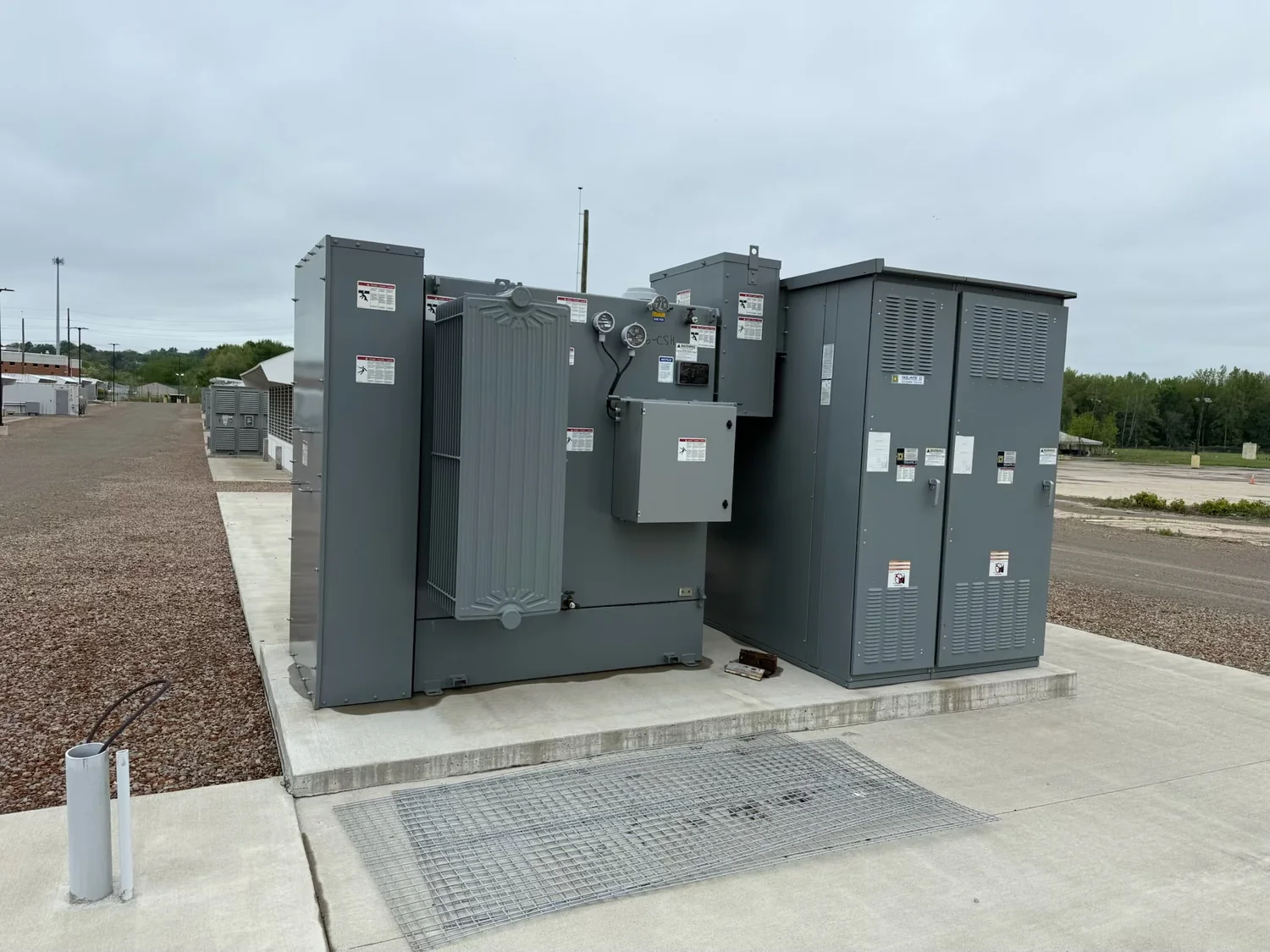
Sell Used 1,200 Amp Switchgear in the DC Region
If your business is evaluating used switchgear marked 1,200 Amp for sale, start with what the equipment actually shows—not assumptions based on its headline rating. A 1,200-amp marking is a useful identification point, but it does not establish the lineup’s complete configuration, condition, voltage, dimensions, or removal requirements. Those details need to be reviewed before anyone can define a practical scope or make an offer.
We buy used switchgear in Washington, DC, Northern Virginia, and Maryland. We make cash offers, and when an offer is accepted, payment is arranged upfront. Sellers are not required to test the equipment. We consider switchgear across all voltage classes, but the voltage and other nameplate details should be documented so the specific asset can be evaluated accurately. The buyer handles crane, rigging, disconnects, loading, freight, and hauling, subject to project arrangements and site access. Responsibilities and timing should be confirmed before removal begins.
Verify the Nameplate and Lineup Before Setting Scope
Send clear, readable photographs of each available nameplate, along with wide views of the lineup and close-ups of its major sections. Nameplate information helps confirm the marked amp rating and other identifying details, while the overall photographs help show how the lineup is arranged and whether there are visible gaps, modifications, or attached components. If labels are difficult to read, provide several images from different angles rather than guessing at specifications.
Include overall lineup dimensions, and, where practical, dimensions for sections that may have to be moved separately. Note the number and arrangement of sections, doors, barriers, and any visibly associated components. Completeness matters: identify what is included in the proposed sale and what will remain at the facility. Do not assume that every adjacent panel, control, or accessory belongs to the same asset. A careful inventory helps prevent misunderstandings about what is being evaluated and what must be removed.
Photos and dimensions are a starting point, not a substitute for reviewing the specific equipment and site conditions. If the markings, configuration, ownership records, or visible completeness are uncertain, describe that uncertainty. No final price should be assumed from a 1,200-amp designation alone; the equipment information and removal scope need review before an offer can be made.
Share Ownership, Access, and Removal Details
Along with equipment information, explain who owns the switchgear and who is authorized to approve its sale and removal. For business asset dispositions, identify the appropriate decision-maker and any internal coordination needed before a transaction can proceed. Ownership and authority should be clear before equipment is scheduled for removal; a listing, photograph, or rating plate by itself does not establish permission to sell.
Describe the route from the equipment’s current position to the loading area. Useful details may include building access, doorway or corridor constraints, floor or ground conditions, overhead clearance, staging space, vehicle access, and any restrictions on work hours. If the lineup is in an operating facility, note that removal timing must be coordinated with the site’s operations and outage procedures. Access and removal conditions vary by project, so they need to be discussed rather than assumed for any particular Washington, DC, Northern Virginia, or Maryland location.
Also identify known removal constraints, such as limited working space, equipment positioned near other assets, or a need to separate sections before moving them. Share available site photographs when they can help clarify the route and working area. The buyer’s responsibility for crane, rigging, disconnects, loading, freight, and hauling is subject to the project arrangement and site access. Confirm the division of responsibilities, access plan, and schedule before the work is set.
Coordinate Disconnection and Site Safety
Do not ask unqualified personnel to disconnect, move, or handle switchgear. De-energization, isolation, and disconnect work must be performed by qualified personnel in accordance with the site’s safety and outage procedures. The required sequence, authorized personnel, and acceptable work window are project-specific and should be coordinated with the facility before removal planning is finalized.
The buyer handles disconnects as part of the agreed project logistics, but that does not remove the need to coordinate with the site or to follow its procedures. Confirm what work is included, who will authorize access, when equipment can be isolated, and how the facility will manage any operational impacts. Avoid scheduling a crane, rigging, or hauling before the equipment is ready for removal and the site has approved the timing and access arrangements.
No seller testing is required for an offer. If the equipment is untested or its operational status is unknown, say so plainly. Photographs and nameplate details can support an initial review without asking the seller to energize, operate, or perform tests on the switchgear. Any further evaluation or site work should be agreed in advance and handled by appropriately qualified personnel.
Request an Offer With Clear Payment and Logistics
To request a review, provide the nameplate photographs, overall and detail images, lineup dimensions, a description of what is included, ownership and authorization details, and a summary of site access and removal constraints. Include the voltage information shown on the equipment where readable; do not infer it from the amp rating. If a site visit or additional information is needed to understand the scope, coordinate that step before confirming a removal plan.
We buy rather than sell equipment. We can make a cash offer after reviewing the available information, and payment is arranged upfront when an offer is accepted. The buyer pays for crane, rigging, disconnects, loading, freight, and hauling, with the work and responsibilities confirmed for the specific project. Costs and arrangements should not be treated as a guarantee of access, schedule, or removal until the site conditions and project scope have been reviewed.
A well-documented 1,200-amp switchgear listing gives both sides a clearer basis for deciding what is included and how removal might work. Share what is known, flag what is uncertain, and coordinate qualified disconnect work and site access before scheduling. That practical preparation helps keep an asset disposition organized across the DC region without relying on unsupported assumptions about the equipment or facility.