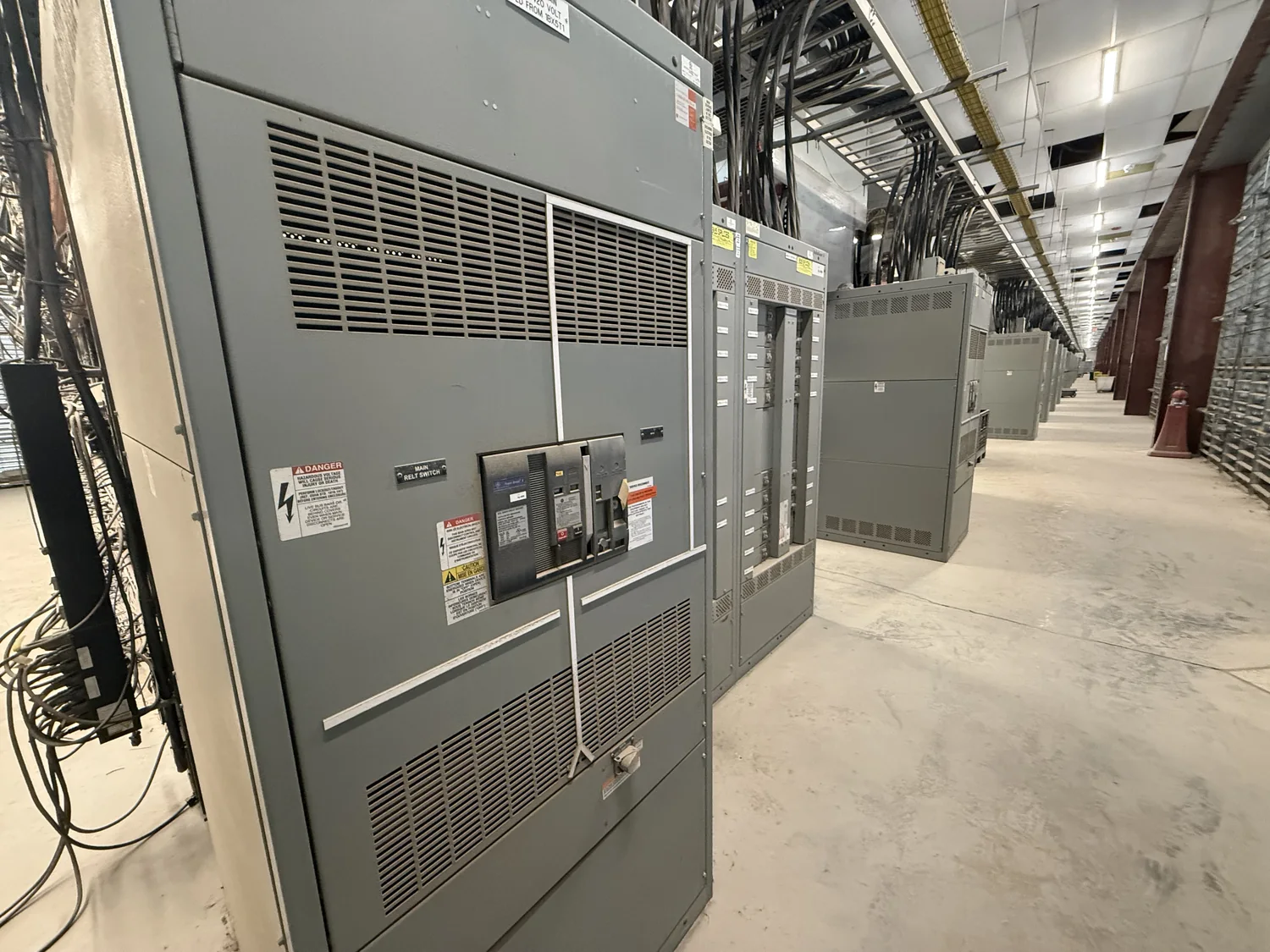
Sell Used 13.8kV Switchgear in the DC Region
If your facility has used switchgear marked 13.8kV, you can request a purchase review for equipment in Washington, DC, Northern Virginia, and Maryland. This is a buyer service: we purchase equipment and do not sell or install switchgear. A rating on a label is a useful starting point, not enough by itself to establish the equipment’s exact configuration, condition, completeness, or removal scope.
To begin, share clear photos of the equipment and its nameplates, along with the lineup dimensions and basic details about ownership and site access. We review the information before discussing an offer or defining a removal plan. We consider all voltage classes, and sellers are not required to test equipment for an initial review. A 13.8kV marking should be verified from legible equipment documentation rather than used to guess at other specifications.
What to Send for an Initial Review
Photograph each accessible nameplate in focus, with enough light and resolution to read the manufacturer, model or type designation, rating information, and any other visible identifiers. Include photos of the overall lineup, its sections, visible compartments, and any accessories or separate components included in the sale. If a label is missing, damaged, or unreadable, say so; do not infer or recreate its contents. The aim is to establish what is actually present, not to fill gaps with assumptions.
Provide approximate overall lineup length, height, and depth, plus the number of sections if known. Note whether the equipment appears complete and identify known missing parts, stored components, or items that are excluded from the proposed sale. Useful context can include whether the switchgear is installed or already removed, its general storage or operating status as understood by the owner, and whether drawings or other equipment records are available. This information supports a more grounded review, but it does not replace inspection or guarantee an offer.
Please also confirm who owns the equipment and who is authorized to approve its sale and arrange access. If it is part of a larger asset-disposition project, clarify whether other equipment, materials, or site work are included or excluded. Accurate boundaries help avoid misunderstandings about what the buyer is purchasing and what must remain at the facility. No seller testing is required; share existing records if available, without undertaking new tests solely for the inquiry.
Plan Access and Removal Around the Site
The DC region includes varied facility settings, so access and scheduling must be worked out for the specific site rather than assumed. Share the site’s general location, the equipment’s level and position, the route from the lineup to a loading area, available working space, and any known door, corridor, elevator, floor-loading, or vehicle restrictions. Note site rules for contractor access, escorts, work windows, deliveries, parking, and coordination with building or facility personnel. These details can affect the removal approach and schedule.
The buyer handles crane, rigging, disconnects, loading, freight, and hauling, subject to project arrangements and actual site access. Responsibilities, timing, equipment boundaries, and removal conditions should be confirmed before work is scheduled. A crane or specialized rigging may or may not be appropriate; that depends on the equipment, building layout, access route, and project plan. Do not assume that a quoted purchase scope includes unrelated demolition, repairs, restoration, or disposal of materials outside the agreed equipment.
De-energization, isolation, and disconnect work must be handled by qualified personnel in accordance with the site’s safety and outage procedures. Coordinate the required approvals, outage window, access, and sequence with the facility’s responsible personnel. Do not have unqualified staff disconnect, move, or otherwise handle electrical equipment. The buyer’s responsibility for disconnects is managed as part of the project arrangement; it does not replace site controls or the need for qualified work and coordinated timing.
Offers, Payment, and Project Coordination
After reviewing the available information, we can discuss whether the equipment is a fit for purchase and what additional details may be needed. A final offer depends on review of the specific lineup, its documented ratings and configuration, completeness, ownership, access, and removal constraints. Photos and nameplates help start that process, but they do not establish a final price on their own. No price should be treated as final until the equipment and project scope have been reviewed.
We can make a cash offer. If an offer is accepted, payment is arranged upfront before removal, with the payment process and timing confirmed as part of the project arrangements. The buyer pays the crane, rigging, loading, freight, and hauling costs, with the applicable responsibilities and removal plan confirmed before work begins. Ask for these terms to be made clear in the offer and project coordination so the seller understands what is included and what remains outside the agreed scope.
A practical first message can include the equipment location within Washington, DC, Northern Virginia, or Maryland; clear lineup and nameplate photos; approximate dimensions; known completeness or missing items; confirmation of ownership and authority to sell; and a brief description of access, work-window, and removal constraints. If the equipment is still installed, state that plainly and identify the site contact who can coordinate safe access and outage planning. With those details, the buyer can review the opportunity without guessing at specifications or promising a price before the project is understood.