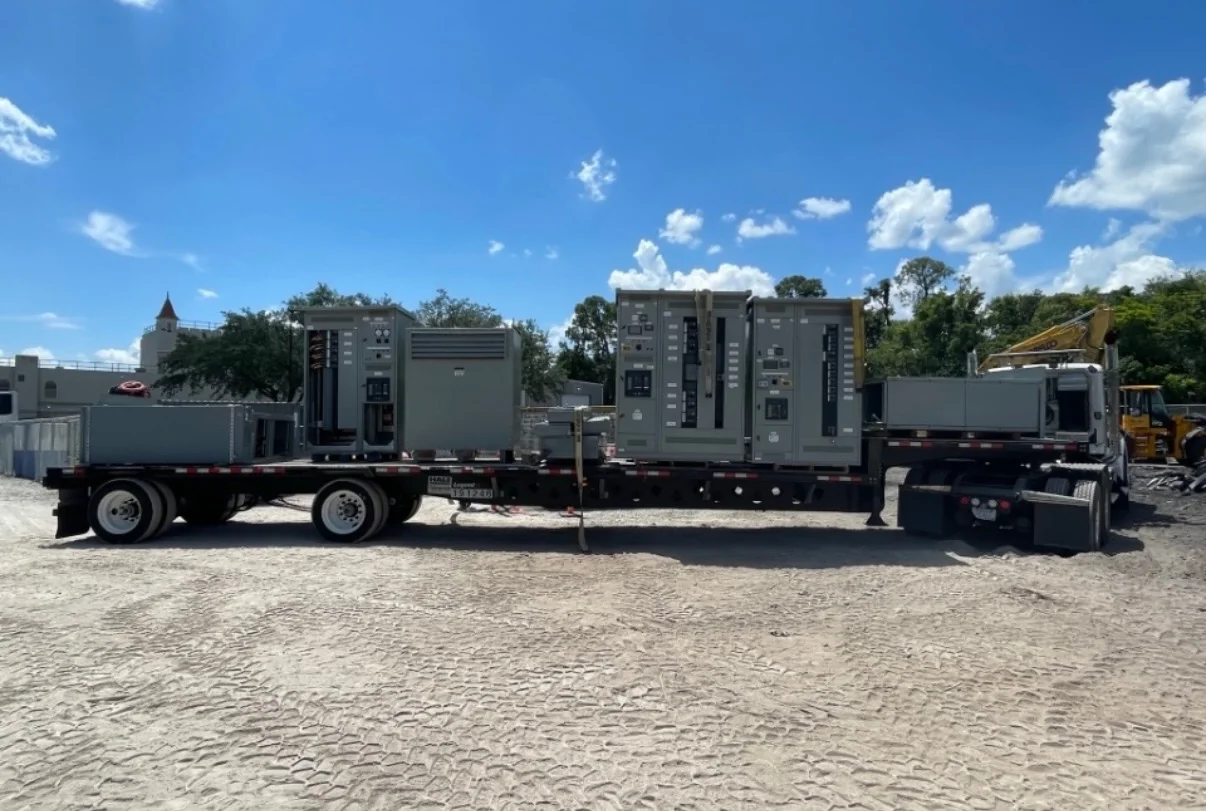
Sell Used 27kV Switchgear in the DC Region
If your facility has used switchgear marked 27kV, you can submit it for purchase review in the Washington, DC, Northern Virginia, and Maryland service area. The buyer purchases electrical equipment; it does not sell equipment. A preliminary review starts with the equipment’s actual identification and condition, not an assumption based on a voltage label or a general description. No seller testing is required to request consideration, and all voltage classes are considered. The 27kV marking is a useful starting point, but it is not enough by itself to establish the equipment’s configuration, completeness, or suitability for a purchase offer.
Share clear photographs of the equipment and its nameplates, along with the lineup’s overall dimensions and any known project details. Include the site location at a general level, who owns the equipment, whether the owner has authorized its disposition, and any known access or removal limits. These details help determine what additional review or coordination may be needed before the buyer sets a scope. A cash offer may be made after review; there is no guaranteed price or final valuation before the relevant information and removal conditions are understood.
Verify the Nameplate and Document the Lineup
Photograph every legible nameplate and identification label, keeping the image sharp enough to read the manufacturer and the markings shown. Capture the complete lineup from several angles, including the front, rear where accessible, ends, visible compartments, and any attached equipment. If a label is damaged, obscured, or missing, note that rather than filling in details from memory. Do not infer ratings or specifications from the 27kV description alone; the actual markings and configuration need to be reviewed.
Record the lineup’s approximate length, height, and depth, and note whether the equipment is arranged in one continuous section or multiple sections. Photos of connections, bus or cable compartments, control equipment, and visible accessories can help clarify what is included, but do not remove covers or enter restricted areas just to obtain images. Identify known gaps, removed sections, missing components, or items that may be part of a separate asset lot. A practical inventory is more useful than an assumed description: list what is visibly present, what is known to be absent, and what remains uncertain. No testing is required from the seller as part of the initial submission.
Ownership, Completeness, and Asset Disposition
Before arranging a sale, confirm that the party submitting the equipment owns it or has authority to sell it. For business asset dispositions, identify the appropriate owner or authorized representative and any internal approval steps that may affect the schedule. If the switchgear is being removed as part of a larger project, clarify whether it is being offered alone or with related equipment. Identify items that must remain in place, equipment that is included, and any known restrictions on what can be removed. These facts help prevent a mismatch between the proposed purchase scope and the facility’s disposition requirements.
Completeness can influence review, so describe the lineup as accurately as possible. Note whether doors, panels, compartments, control components, and other visible parts appear present, and flag any known damage or previous alterations. Avoid promising operational status if it has not been established. The buyer reviews the information provided and may request clarification before making an offer or confirming the work scope. A photo-based review is not a substitute for the site’s own safety process, nor does it establish that equipment is suitable for reuse or service.
Plan Access, Removal, and Scheduling
Removal planning in the DC region should be based on the specific facility, route, and project schedule rather than assumptions about local conditions. Share the site’s access requirements, available working hours, loading-area constraints, elevator or doorway limits where relevant, and any known restrictions on truck or crane positioning. Mention whether the equipment is indoors or outdoors, how it can be reached, and whether it must pass through narrow corridors, low-clearance areas, or other constrained routes. Photos of the access path and loading area can help the buyer assess the proposed logistics. Confirm site access and timing before removal is scheduled.
The buyer handles the crane, rigging, loading, freight, and hauling, subject to project arrangements and site access. Responsibilities and the removal scope should be confirmed before work begins, including how the equipment will be moved from its installed location to the loading point. Any de-energization, isolation, and disconnect work must be completed by qualified personnel under the facility’s safety and outage procedures. Do not ask unqualified staff to disconnect, open, move, or otherwise handle electrical equipment. Coordinate the required qualified personnel, outage timing, access, and handoff arrangements with the site and the buyer as part of the project plan.
Offer Review and Upfront Payment
To begin, provide the nameplate and equipment photos, lineup dimensions, a description of what is included, ownership or disposition authority, and practical details about access and removal constraints. Be clear about what is known and what still needs confirmation. The buyer can review the submission and make a cash offer if the equipment and project details support one. No final price should be assumed before that review, and a preliminary discussion does not replace confirmation of the equipment included or the removal arrangements.
If an offer is accepted, payment is arranged upfront. Before removal, confirm the accepted offer, the items covered, site access and timing, and the agreed division of work. The buyer pays the crane, rigging, loading, freight, and hauling costs, with the responsibilities and arrangements confirmed for the particular project. Clear documentation and early coordination help both parties understand the proposed scope without relying on unverified ratings, assumed completeness, or unconfirmed site conditions.