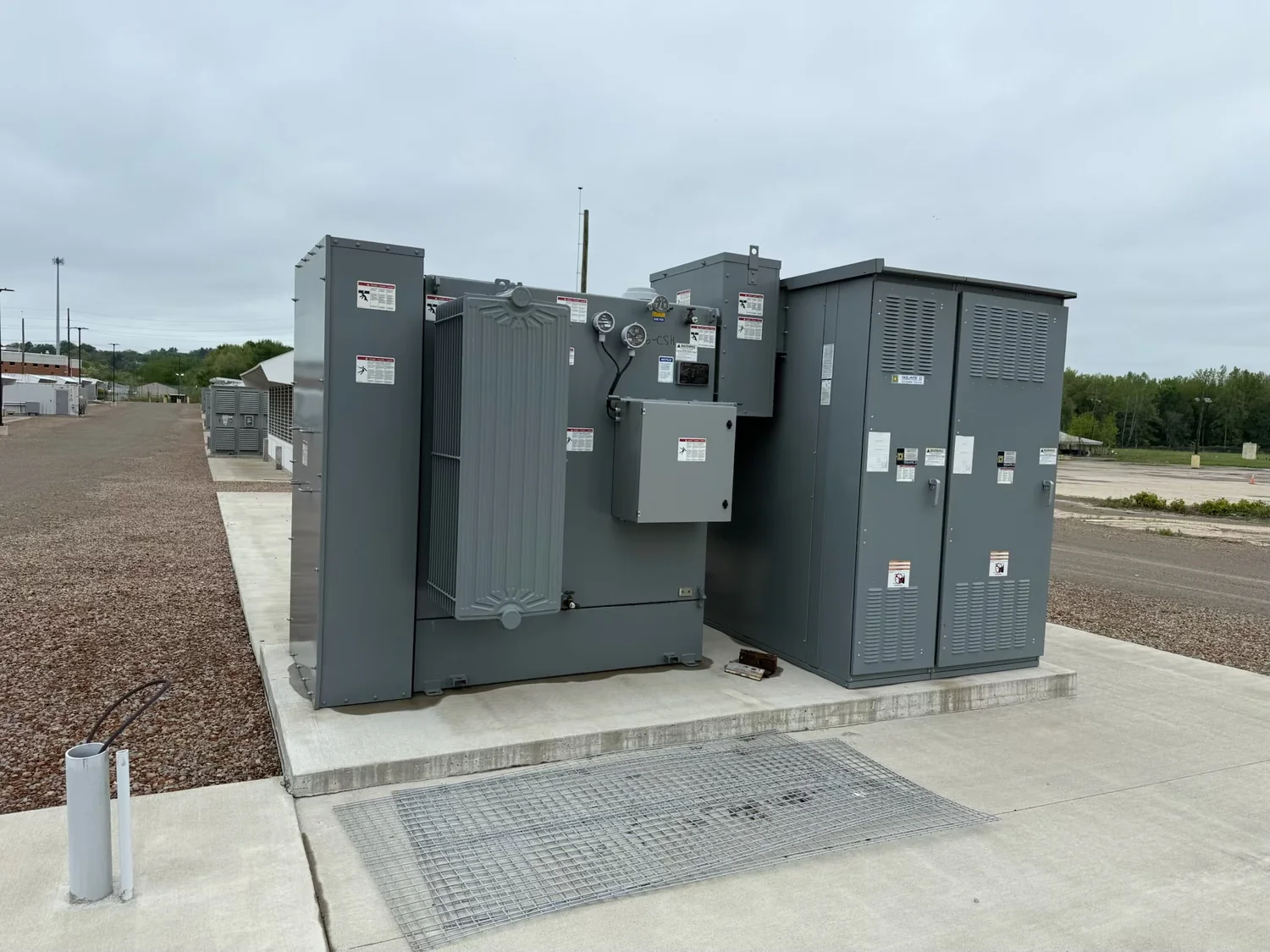
Sell Used 4.16kV Switchgear in the DC Region
If your organization is preparing to sell used switchgear marked 4.16kV in Washington, DC, Northern Virginia, or Maryland, begin with verification—not assumptions. The marking is a useful starting point, but it does not by itself establish the complete equipment specification, configuration, condition, or removal scope. We buy electrical equipment and can consider switchgear across all voltage classes. We do not sell equipment, and you do not need to test it for us to request a review.
A practical first step is to gather clear photographs and equipment records, then share them for an initial assessment. We can review the information, discuss the proposed scope, and make a cash offer if the equipment and project details are suitable. Any offer is subject to review; a final price cannot be responsibly set from the voltage marking alone. If an offer is accepted, payment is arranged upfront, with payment and removal responsibilities confirmed before the project proceeds.
Verify the Equipment Before Setting Scope
Photograph each lineup from the front and, where safe and permitted, capture overall views that show how sections are arranged and connected. Provide close, readable images of every available nameplate and identification label, including those on individual sections or components. If a label is damaged, obscured, or missing, note that rather than trying to infer its contents. Include any available drawings, equipment schedules, or other records that help identify the lineup, but do not treat incomplete documents as a substitute for verifying the installed equipment.
Nameplate details that may assist review include the voltage marking, manufacturer and model identifiers, serial numbers, and ratings or configuration information printed on the equipment. Share only what is actually visible or documented; do not guess at electrical characteristics from appearance or from a 4.16kV label. Photos of doors, compartments, controls, bus connections, protective devices, and accessories can help show what is present and how complete the lineup appears. These images support a preliminary review, not an independent inspection or a guarantee of condition.
Provide approximate lineup dimensions, including overall length, height, and depth, and identify the number of sections if known. Note whether any sections, doors, panels, controls, or accessories are missing, separated, or stored elsewhere. Completeness matters because a lineup may be offered as a group or as individual equipment only after its configuration and included components are understood. If you have concerns about condition, record observable facts—such as visible damage, corrosion, or missing parts—without opening compartments or carrying out work that is outside your role. Seller-performed testing is not required for an offer review.
Ownership, Access, and Removal Planning
Along with the equipment information, explain who owns the switchgear and who is authorized to approve its sale and removal. If the equipment belongs to a landlord, tenant, utility, contractor, or another party, clarify that relationship and identify any approval or documentation steps that remain. Asset disposition can involve internal approvals, project schedules, and coordination among facility, operations, property, and purchasing teams. Sharing those constraints early helps keep a proposed scope realistic without assuming how a particular site is managed.
Describe the equipment’s location within the facility, the route from its present position to the loading point, and any known limits on access. Useful details may include door and corridor clearances, stairs or lifts, overhead obstructions, loading areas, vehicle restrictions, work-hour limits, and whether the lineup is indoors or outdoors. Share dimensions and photos of the route where possible, and flag restricted areas or site-specific access procedures. In the DC region, travel and site logistics can vary from one facility to another; no particular building condition or access arrangement should be assumed in advance.
Removal is subject to the project scope and site access. The buyer handles crane, rigging, loading, freight, and hauling, with responsibilities and arrangements confirmed before removal. The buyer also handles disconnects as arranged for the project, but de-energization, isolation, and disconnect work must be performed by qualified personnel under the site’s safety and outage procedures. Do not ask unqualified staff to disconnect, move, or handle electrical equipment. Coordinate the required personnel, outage window, access approvals, and sequence with the site before setting a removal date.
What to Share for a Useful Review
For an efficient initial review, send the clearest available nameplate photos, overall and detail views, approximate lineup dimensions, and a description of what is included. Add the ownership and authorization status, facility location within the DC, Northern Virginia, or Maryland service area, access and loading information, and any known scheduling restrictions. State whether the switchgear is still installed and identify the site contact who can coordinate a technical and logistics discussion. If you have drawings or records, include them as supporting material; discrepancies between records and installed labels should be called out for clarification.
The review can then address what equipment is being offered, whether the lineup appears sufficiently identified, and what information is still needed to define removal. A clear description of missing components, visible condition, and site constraints is more useful than an unsupported assurance that the equipment is complete or ready to load. Avoid dismantling or opening equipment to obtain better information; arrange any required access or inspection through qualified site personnel and the facility’s procedures.
Once the equipment and project scope have been reviewed, we can make a cash offer where appropriate. There is no obligation to guess at specifications, arrange seller testing, or determine a price from the voltage marking alone. If you accept an offer, payment is arranged upfront. Before removal, the parties confirm the project arrangements, timing, access, and responsibilities—including the buyer’s crane, rigging, disconnect, loading, freight, and hauling scope. This approach gives both sides a basis for planning while leaving technical and site-specific decisions to the appropriate qualified personnel.