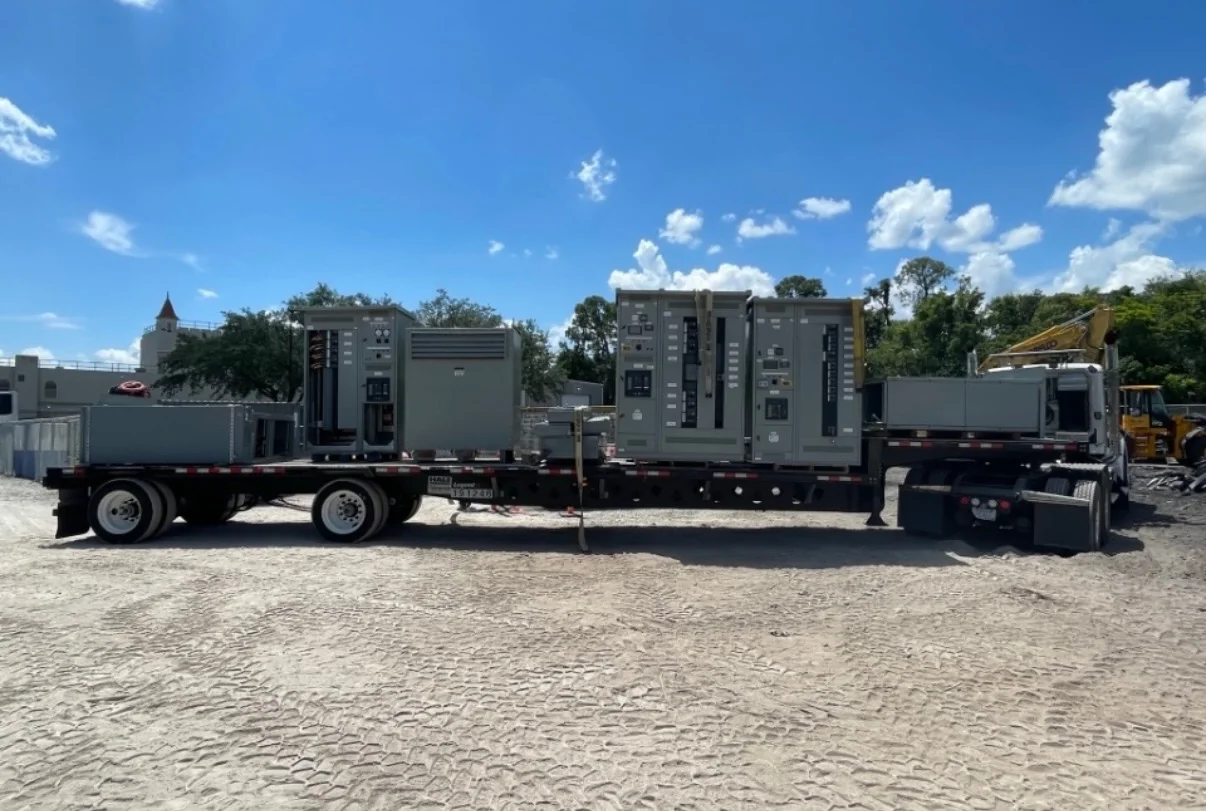
Sell Used ABB Switchgear in the DC Region
If your business is evaluating a sale of used switchgear identified with an ABB nameplate, a practical first step is to assemble the equipment details and clarify what is included. This buyer page is for organizations in Washington, DC, Northern Virginia, and Maryland that are considering disposition of ABB-labeled switchgear. The buyer purchases equipment only; it does not sell switchgear. ABB is referenced solely to identify the nameplate on the equipment, and this page does not imply manufacturer affiliation or endorsement.
An initial review can help determine whether the equipment may fit a purchase. It is not a final price or a commitment to buy: the buyer must review the information, scope, condition as represented, and removal circumstances before making an offer. All voltage classes are considered, and the seller is not required to perform testing. If an offer is accepted, payment is arranged upfront, with payment and removal responsibilities confirmed before the project proceeds.
Prepare the equipment information for review
Send clear, well-lit photographs of the switchgear, including overall views of each lineup and close-ups of every accessible nameplate. Nameplate details can help identify the equipment and its ratings; photographs should be legible enough to read them where possible. Do not remove covers or enter restricted areas to obtain images. If a nameplate is obscured or unreadable, note that in your description rather than attempting to expose it without authorization.
Include the lineup’s approximate overall dimensions, such as length, height, and depth, along with the number of sections if known. Describe the apparent completeness of the equipment and identify included components, accessories, or related items that are part of the proposed sale. Mention any known missing sections, removed parts, visible damage, or changes to the lineup. Do not infer technical specifications from appearance. The buyer can review the details provided and ask follow-up questions; no seller testing is required.
Also state who owns the equipment and who is authorized to approve its sale. If the equipment is part of a larger facility disposition or project, identify the organization responsible for coordinating the transaction and the person who can confirm scope and site arrangements. Clear ownership and authorization details help avoid delays after an offer is considered.
Scope the removal around the actual site
A switchgear purchase is tied to more than the equipment description. Before scope is set, share the site location at a level suitable for planning, the relevant access contact, and any known restrictions on arrival, staging, work hours, loading, or truck access. In the DC region, travel and site coordination may involve different jurisdictions and facility procedures, so share the applicable scheduling windows and access requirements rather than assuming a standard route or timetable.
Describe the equipment’s position and removal path as far as you can confirm: whether it is indoors or outdoors, the floor or level, door and corridor constraints, overhead clearance, available staging space, and any known obstacles between the lineup and the loading point. Dimensions of doorways, turns, ramps, elevators, or other pinch points can matter when they affect movement. If a crane or other lifting arrangement may be needed, provide any known access or setup limitations. These details are for planning; the buyer must review the project conditions before confirming the removal method and responsibilities.
The buyer handles crane, rigging, disconnects, loading, freight, and hauling, subject to the agreed project arrangements and site access. Responsibilities, scope, timing, and access should be confirmed before removal. Site-specific requirements may affect the schedule and the equipment-removal plan, so provide relevant procedures and constraints early. No particular facility access, lifting method, or removal date should be assumed until the parties have reviewed and coordinated the project.
Coordinate disconnection and safety procedures
Electrical equipment must not be disconnected or handled by unqualified personnel. De-energization, isolation, and disconnect work must be performed by qualified personnel under the site’s safety procedures, permits or approvals where applicable, and outage process. The seller should not attempt electrical work to prepare equipment for pickup unless authorized and qualified to do so.
Coordinate the required outage window, access approvals, and work sequence with the people responsible for the site. Tell the buyer what the site requires and whether timing is limited by an outage schedule, operating needs, or other project constraints. The buyer’s responsibility for disconnects is subject to the agreed arrangements and site access; this does not replace the site’s safety rules or the need for qualified personnel. Confirm who is responsible for each step before work is scheduled, and avoid treating an initial review as authorization to begin removal.
Request an offer and confirm the transaction
To request a review, provide the nameplate and equipment photos, approximate lineup dimensions, a description of completeness, ownership and sale authorization details, and the access and removal information available. Include the location within Washington, DC, Northern Virginia, or Maryland and a contact who can coordinate project questions. If some information is not available, say so; a clear account of what is known and what still needs confirmation is more useful than an unsupported estimate.
After reviewing the details, the buyer may ask for additional information or make an offer. The final offer depends on that review and the project scope, so no price can be established from the ABB nameplate alone or guaranteed before assessment. If the seller accepts an offer, payment is arranged upfront. Before removal, confirm the payment arrangement, equipment included in the sale, site access, schedule, and each party’s project responsibilities—including the buyer’s crane, rigging, disconnect, loading, freight, and hauling arrangements. This careful handoff helps the seller evaluate a potential sale without assuming a price, a removal plan, or a manufacturer relationship.