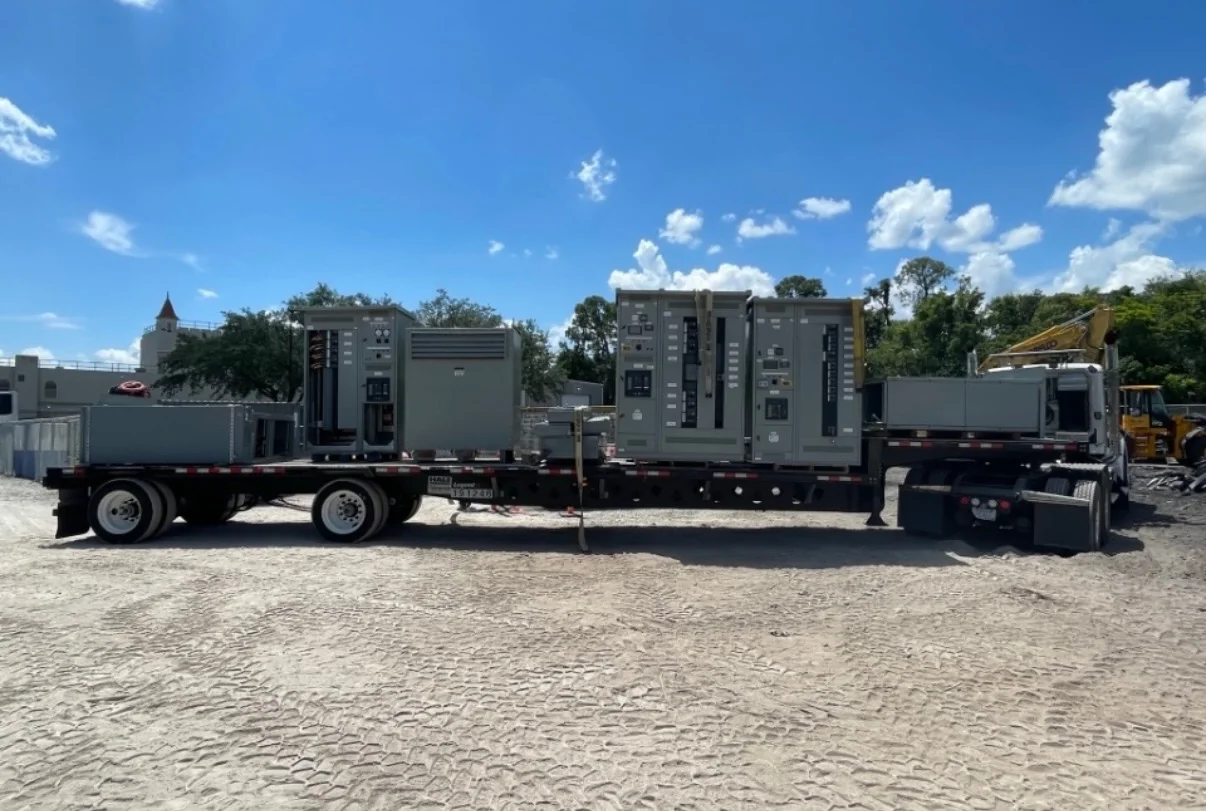
Sell Used Allen-Bradley Switchgear in the DC Region
If your organization is preparing to remove switchgear identified by an Allen-Bradley nameplate, a buyer can review the equipment for a possible purchase. This is a seller-side service for businesses in Washington, DC, Northern Virginia, and Maryland—not a sales listing or a manufacturer-affiliated program. The buyer purchases equipment only; it does not sell switchgear. There is no need for the seller to test the equipment before requesting a review, and equipment from any voltage class may be considered.
A preliminary review starts with the specific lineup, its condition and completeness, the seller’s ownership authority, and the practical conditions for removal. A nameplate alone does not establish value or confirm that a particular lineup can be purchased. Send clear photos and available records so the buyer can understand what is present and identify questions before discussing an offer. Any offer and removal plan remain subject to review and project-specific arrangements; a final price cannot be determined from the brand name alone.
Prepare photos and equipment details
Photograph each lineup from a few useful angles: a full-front view, the ends, visible sides, and the surrounding area where the equipment is installed. Include close, readable images of the nameplates and any labels that help identify sections or components. If doors or covers are already open as part of work performed by qualified personnel, interior photos may help show what is included. Do not open energized equipment or remove covers just to take pictures; follow site safety procedures and use qualified personnel for any access that requires electrical work.
Share the lineup’s approximate overall dimensions, including height, width, and depth, as well as the number and arrangement of sections if known. Note visible damage, missing sections, removed components, or other known completeness concerns. Available drawings, inventories, or prior project records can help clarify configuration, but do not delay an initial inquiry if those records are unavailable. These details help the buyer assess the scope of the asset and determine what additional information may be needed before an offer can be considered.
Describe the equipment as accurately as you can without guessing at specifications. A clear nameplate image is more useful than an uncertain model or rating description. If a nameplate cannot be read or is missing, say so and provide photographs that show the equipment’s appearance and layout. The buyer considers all voltage classes, but that does not mean every item will receive an offer; the equipment must still be reviewed as a specific asset and project.
Confirm ownership, site access, and removal conditions
Before the scope is set, explain who owns the switchgear and who is authorized to approve its sale and release. If the equipment is part of a larger facility or project, identify any approval steps, required documentation, or timing constraints that could affect the transaction. Clear ownership and authorization information helps prevent avoidable delays between an initial review and a scheduled removal.
Access is a project-specific consideration across the DC region. Share the site location at the appropriate level for coordination, the equipment’s position within the facility, the route from its installed location to the loading area, and any known limits on doors, corridors, elevators, ramps, or staging space. Note site rules that could affect crew access, working hours, vehicle entry, security coordination, or the use of a loading area. Do not assume that a route or lift plan will work based on photographs alone; the buyer and site contacts should confirm the practical arrangements before removal.
Also flag constraints such as restricted truck access, limited staging space, overhead obstructions, nearby equipment, or a narrow removal window. These details matter when planning crane or rigging needs, loading, and hauling. No particular building condition or access arrangement should be assumed. The removal plan depends on the actual site, the equipment, the approved work window, and coordination with the facility’s responsible contacts.
Coordinate qualified disconnects and project logistics
Any de-energization, isolation, and disconnect work must be performed by qualified personnel under the site’s safety rules and outage procedures. Sellers should not ask unqualified staff to disconnect, move, or handle electrical equipment. Coordinate the required outage, isolation, access, and timing with the people responsible for the electrical system before removal is scheduled. The buyer can coordinate removal responsibilities with the seller and site contacts, but site-specific electrical work must follow the facility’s procedures and be handled by qualified personnel.
Subject to agreed project arrangements and site access, the buyer handles the crane, rigging, disconnects, loading, freight, and hauling. Confirm the scope and responsibilities before removal so everyone understands what is included, what site coordination is needed, and when the work can take place. The logistics plan may depend on lineup dimensions, weight information if available, how the equipment is secured or installed, the route out of the building, lifting and staging conditions, and whether the site can provide the agreed access during the scheduled window. No removal method or schedule should be treated as confirmed until the project details are reviewed.
Do not move equipment, prepare it for lifting, or alter its connections on the assumption that a buyer’s review has authorized that work. The site’s qualified personnel should control de-energization and disconnect activities, while the buyer and seller coordinate the agreed removal scope. If site access, outage timing, or the equipment’s condition changes, revisit the plan before work proceeds.
Offer review and upfront payment
Once the buyer has reviewed the photos, nameplates, dimensions, ownership information, completeness, access conditions, and removal constraints, it can determine whether to make an offer. The buyer can make cash offers and pays upfront when an offer is accepted. Payment arrangements should be confirmed as part of the transaction before removal is scheduled. No seller testing is required for an initial review, and there is no guaranteed offer or price before the equipment and project details have been assessed.
For a clearer first submission, send the best available photos, readable nameplate images, approximate lineup dimensions, a short note on what is included or missing, confirmation that the seller is authorized to sell, and a summary of site access and scheduling requirements. Mention known removal constraints and the site’s process for qualified disconnect work. This practical information gives the buyer a sound basis for discussing the equipment and coordinating next steps without presuming a value, a manufacturer relationship, or a particular removal schedule.