Sell Used Circuit Breakers in the Washington, DC Region
If your organization is removing, replacing, or consolidating electrical equipment, used circuit breakers may have resale value. We buy circuit breakers from commercial, institutional, and industrial sites across Washington, DC, Northern Virginia, and Maryland. We consider all voltage classes and can make a cash offer after reviewing the equipment and the proposed removal scope. We buy equipment only; we do not sell circuit breakers.
A useful first step is to identify what is available and where it sits. A small group of loose breakers, a set of draw-out units, and breakers installed in a larger lineup can involve very different evaluation and removal requirements. You do not need to test the equipment for us. Instead, provide clear photos, nameplate information where available, approximate quantities, and basic details about the site and access. That gives us a practical basis to review the opportunity and discuss next steps without making assumptions about condition, compatibility, or value.
Information That Helps Us Review the Equipment
Photograph each breaker clearly enough to show its overall condition, front and side views, visible labels, and any identifying information. Include readable nameplate images when they are safely accessible. Depending on the equipment, useful details may include manufacturer and model markings, catalog or type numbers, serial numbers, ratings, and other nameplate data. These details support identification, but the presence of a label does not by itself establish condition or determine an offer. Please do not remove covers or approach energized equipment to obtain photographs; follow your site’s access and safety requirements.
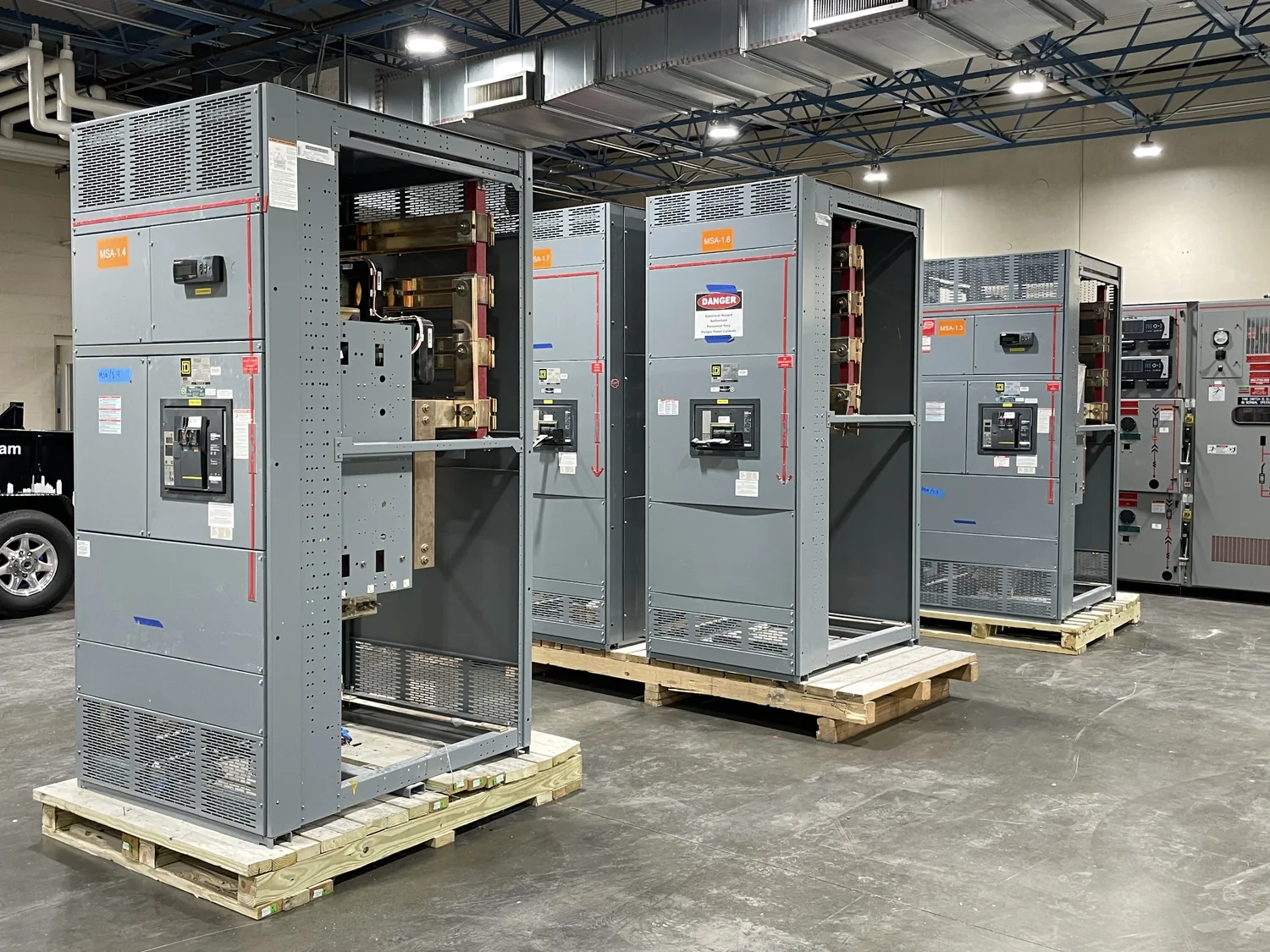
For breakers installed in a switchgear or other lineup, send approximate lineup dimensions and photos showing the arrangement and surrounding working area. Note whether breakers are loose, installed, complete with associated parts, or offered as part of a larger group. Mention apparent missing components or visible damage, and tell us whether related equipment is included. A quantity list and any available asset records can help distinguish individual units from an entire lineup. Do not assume that equipment with similar appearances is interchangeable or that accessories will be included unless the scope confirms them.
Please also identify the owner or authorized seller and explain any restrictions on removal or transfer. If your organization is managing a project for another owner, clarify who can approve the sale and coordinate access. We may need to understand whether the equipment is in an operating facility, a designated laydown area, or a space with controlled entry; what hours or dates may be available; and whether escorts, check-in procedures, or other site rules apply. These are planning questions, not assumptions about any particular facility in the DC region.
Plan Access, Disconnection, and Removal Together
Circuit breakers may be located within equipment rooms, electrical lineups, secured buildings, or spaces with limited routes for moving material. Before removal is scoped, describe the route from the equipment to the loading point, including relevant doorway or corridor constraints, stairs, elevators, loading areas, overhead restrictions, and other obstacles that may affect movement. Approximate equipment and lineup dimensions are helpful; where available, provide dimensions for the access route as well. Photos of the room and route can help identify questions to resolve before a removal date is set.
The buyer handles crane, rigging, disconnects, loading, freight, and hauling, subject to the project arrangements and actual site access. Responsibilities, sequencing, equipment included, and the planned loading method should be confirmed before removal. Crane or rigging needs depend on the equipment, the building and route, available working space, and site restrictions; they should not be presumed from photos alone. If the project involves an installed lineup or other connected equipment, make clear what is included in the purchase and what must remain in place.
De-energization, isolation, and disconnect work must be performed by qualified personnel under the site's safety and outage procedures. Do not ask unqualified staff to disconnect, dismantle, or handle electrical equipment. Coordinate the required outage, authorization, access, and work window with the people responsible for the site's electrical safety and operations. The buyer’s removal plan must be coordinated with those requirements; timing depends on the project scope, site access, and an agreed schedule.
Offers and Payment
After reviewing the available information, we can discuss the equipment and make a cash offer. An offer is not a final price until the specific equipment and removal scope have been reviewed and agreed. Quantities, identification, completeness, access, removal constraints, and the handling of any associated equipment can all affect the evaluation. If the on-site scope differs from what was described, the parties should resolve that difference before proceeding rather than relying on an assumed price.
When an offer is accepted, payment is arranged upfront. Confirm the payment timing, included equipment, removal responsibilities, and project schedule with us before removal begins. We pay all crane, rigging, loading, freight, and hauling costs, with the specific responsibilities and arrangements confirmed for the project. The seller does not need to arrange those buyer-paid logistics independently unless a different arrangement has been expressly agreed. We do not require seller testing as a condition of submitting information for review; provide records that are already available, but do not energize or test equipment solely to prepare a sale.
A Practical Starting Checklist for DC-Area Sellers
To start a review, send clear breaker and nameplate photos, approximate quantities, lineup dimensions where applicable, and a brief description of what is included. Add the equipment’s location within the site, ownership or sale authorization details, access procedures, potential removal windows, and any known route or loading constraints. Note whether the equipment is installed or loose and whether qualified site personnel will handle required de-energization, isolation, and disconnect work under the facility’s procedures.
These details help plan a realistic conversation for projects in Washington, DC, Northern Virginia, and Maryland, where each facility has its own access rules, operating needs, and scheduling constraints. They are not a substitute for a site-specific review, and no removal method or schedule should be treated as confirmed until the parties have coordinated the work. With a clear description and photographs, we can assess whether the breakers fit our purchasing interest, discuss a cash offer, and confirm the project arrangements before any equipment is removed.