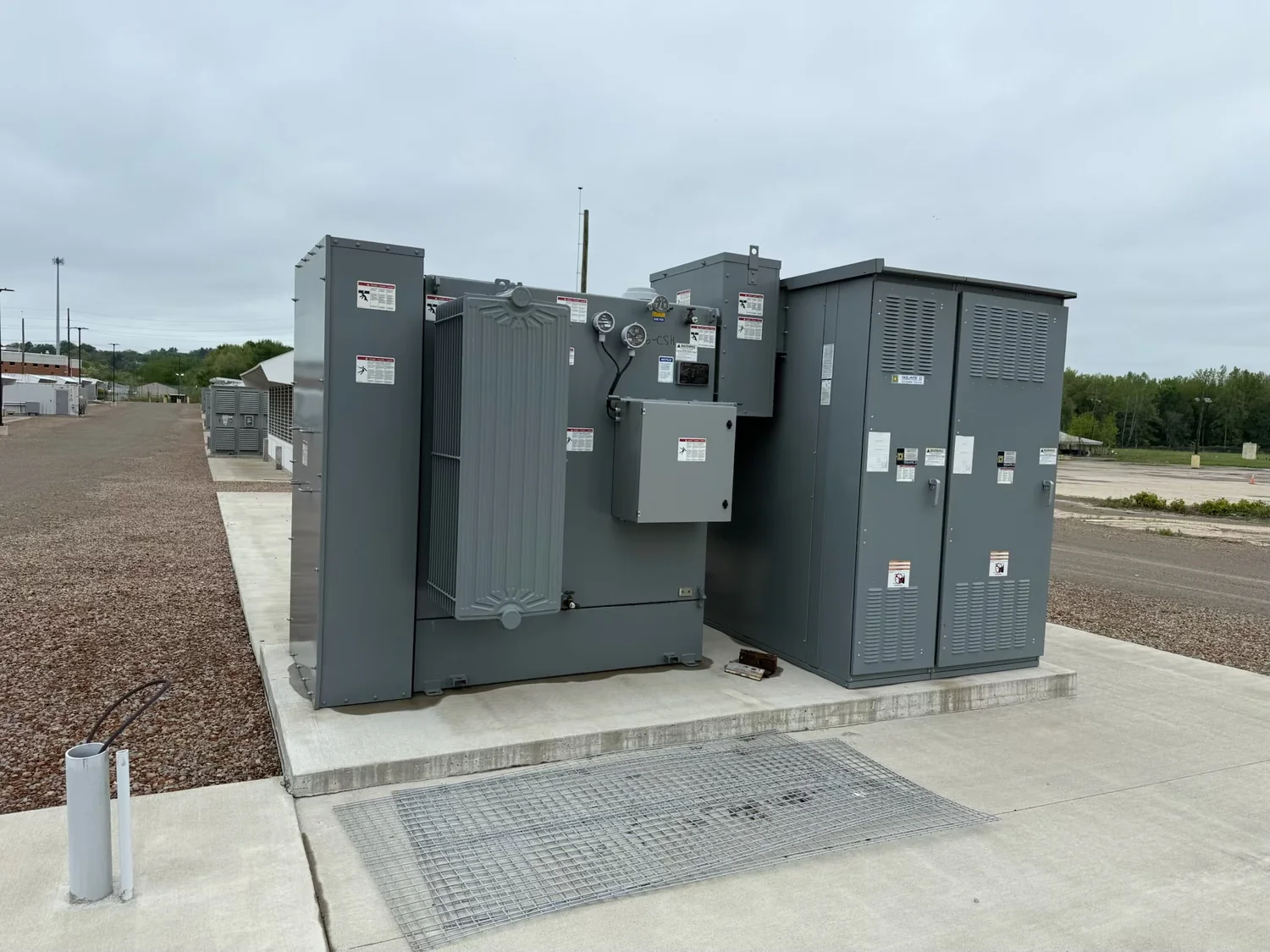
Sell Used Federal Pacific Switchgear in the DC Region
If your facility is considering the sale of used switchgear identified by a Federal Pacific nameplate, a clear first step is to share enough information for a buyer to review the equipment and the removal conditions. This buyer purchases equipment; it does not sell switchgear. It considers all voltage classes, and sellers are not required to test equipment before requesting a review. A cash offer may be made after the available information and project scope have been assessed. If an offer is accepted, payment is arranged upfront, with payment timing and removal responsibilities confirmed before work is scheduled.
This guide is for sellers in Washington, DC, Northern Virginia, and Maryland. It does not imply that the buyer is affiliated with or endorsed by Federal Pacific. A nameplate helps identify an asset, but it does not establish condition, completeness, compatibility, or value by itself. An offer depends on the specific equipment and the practical requirements for access, disconnection, loading, and removal. No final price can be determined from the brand name alone.
Start with Photos, Nameplates, and Lineup Dimensions
Send clear photographs of the overall lineup and each section, along with close, legible images of every available nameplate. Include labels that identify the equipment, ratings, catalog or model information, serial information, and any other markings visible on the assembly. Do not guess at unreadable data; note that it is unclear and provide the best image you can. Photographs of the front, sides, rear where safely accessible, and surrounding installation can help show how the lineup is arranged and what may obstruct removal.
Provide approximate lineup dimensions, including height, width, and depth, and note the number of sections if known. Mention whether the equipment is installed, stored, or partially dismantled. Describe what appears to be included, such as associated sections, breakers, doors, panels, bus components, or other parts, without opening enclosures or approaching energized equipment to obtain information. The review can then identify what additional details are needed before the buyer defines a possible scope or offer. Photos and stated dimensions are preliminary information, not a substitute for an on-site review if one is needed.
Ownership, Completeness, and Equipment Context
Confirm that you own the equipment or are authorized to arrange its sale, and identify any internal approval or asset-disposition steps that must be completed before removal. If the switchgear is part of a larger project, clarify whether the sale concerns the entire lineup or only specified sections. Explain whether any components have already been removed, whether parts are stored separately, and whether there are known gaps in the assembly. Completeness can affect both the assessment and the removal plan, so describe what is included as accurately as possible.
Share any available operating or maintenance records if they are relevant and readily available, but no seller testing is required for a review. If the equipment’s condition is uncertain, say so rather than inferring performance from appearance. The buyer reviews the information provided and can ask follow-up questions before making an offer. Any offer remains subject to review of the equipment and project details; neither a particular price nor acceptance should be assumed before that review is complete.
Plan DC-Region Access and Removal Carefully
Buildings and sites across Washington, DC, Northern Virginia, and Maryland can have different access, scheduling, and coordination requirements. Before setting a removal scope, describe the route from the equipment to the loading area, relevant doorways or corridors, stairs or elevators, floor or ground conditions, loading-dock arrangements, parking or staging limits, and any known restrictions on truck or lifting-equipment access. Share available measurements and photographs of the route, openings, and staging area. Note building-management coordination, security procedures, work-hour limits, outage windows, and other site requirements that could affect scheduling. Do not assume these conditions; confirm them with the responsible site contacts.
The buyer handles crane, rigging, disconnects, loading, freight, and hauling, subject to project arrangements and site access. Responsibilities, access, timing, and the proposed removal method must be coordinated and confirmed before removal. Any de-energization, isolation, and disconnect work must be performed by qualified personnel under the site’s safety procedures and outage plan. Do not ask unqualified staff to disconnect, move, or handle electrical equipment. Tell the buyer about known removal constraints early so the scope can account for them; the actual plan depends on the equipment, site, and arrangements agreed for the project.
Offer, Payment, and Next Steps
For an initial review, send the nameplate and lineup photographs, approximate dimensions, a description of included sections and known missing components, confirmation of ownership or sale authority, and details about access and removal constraints. Include the facility’s general location within the DC region and the preferred project timing, particularly if the work must align with a planned outage or a building access window. The buyer can use this information to determine whether more details or a site review are needed before presenting an offer.
The buyer can make a cash offer after reviewing the equipment and the project scope. If the offer is accepted, payment is arranged upfront. Crane, rigging, disconnects, loading, freight, and hauling are handled by the buyer, with responsibilities and conditions confirmed for the specific project before removal. Sharing complete, accurate information at the outset helps the parties discuss scope and scheduling without treating a preliminary review as a guaranteed price, acceptance, or removal date.