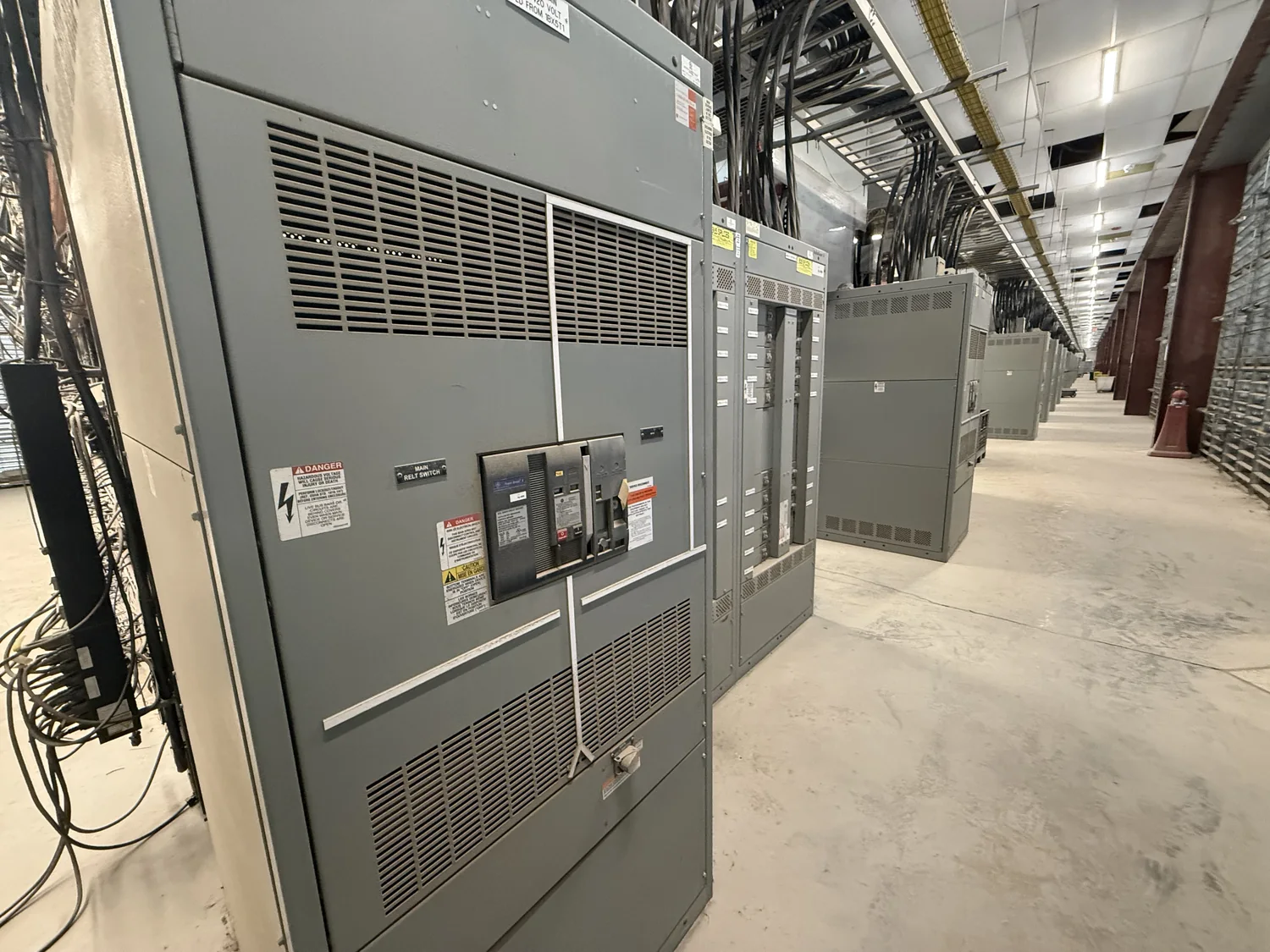
Sell Used Low-Voltage Switchgear in the DC Region
If your business, institution, or industrial facility is preparing to retire low-voltage switchgear, selling it can be one option for managing equipment disposition. This buyer considers used switchgear from commercial, institutional, and industrial sites across Washington, DC, Northern Virginia, and Maryland. It buys equipment only; it does not sell switchgear. All voltage classes are considered, and the equipment does not need to be tested by the seller before it can be reviewed.
A useful first step is to share enough information to identify the equipment and understand the project. Send clear, well-lit photos of the complete lineup, its overall condition, and any visible sections, doors, breakers, or controls. Include readable nameplate photos where available, plus approximate lineup length, height, and depth. These details help the buyer decide what further review is needed and whether the equipment may fit the project’s removal and transportation requirements. They do not establish a final offer on their own.
Information to Gather Before Scope Is Set
For an initial review, provide the equipment location, the number of lineups or sections, and the nameplate information you can access safely. Useful details may include manufacturer and model identifiers, ratings shown on the labels, and any visible notes about configuration. Avoid guessing at ratings or specifications: photographs of the actual nameplates are more helpful than an estimate. If a label is missing, unreadable, or inaccessible, say so rather than trying to reconstruct its information.
Describe what is included in the sale. For example, note whether the switchgear is being offered as a complete lineup or as separate sections, and identify associated breakers, bus components, or other parts only when you can confirm they are present. Share known gaps, visible damage, modifications, or incomplete sections. Also confirm that the seller has authority to transfer the equipment, and identify any owner, landlord, lender, or asset-disposition approval that may need to be addressed before removal. No testing is required from the seller, but clear documentation of condition and completeness can help the buyer evaluate the opportunity.
Photos should show the front and sides of the lineup when practical, as well as the surrounding area needed for removal. Do not open equipment or enter restricted areas just to take pictures. Any inspection or photography must follow facility rules and be carried out by people authorized to access the space. Providing approximate measurements, overhead or doorway constraints, floor-level conditions, and the route from the equipment to the loading point can help reveal whether additional project planning will be needed.
Plan Access, Disconnects, and Removal Carefully
Switchgear removal is a site-specific project, not simply a matter of arranging a truck. Share the facility’s access rules, available work windows, loading-area details, and any known restrictions on vehicle size, staging, elevators, doorways, docks, or building hours. In the DC region, the route and schedule may involve coordination among facility staff, property management, security, contractors, and transportation providers; the actual requirements depend on the site. Provide known deadlines or outage windows early so the parties can discuss a workable sequence before a removal date is set.
The buyer handles crane, rigging, disconnects, loading, freight, and hauling, subject to the project arrangements and actual site access. Responsibilities, timing, equipment needs, and any site-specific conditions should be confirmed before removal. The facility must coordinate access and work timing, including any required escorts, approvals, or operating restrictions. The buyer’s handling of disconnect work does not authorize unqualified personnel to perform electrical work or override the facility’s procedures.
De-energization, isolation, and disconnect work must be performed by qualified personnel under the site’s safety and outage procedures. Coordinate the required approvals, safe work conditions, and outage timing with the people responsible for the facility. Do not attempt to disconnect, dismantle, or handle electrical equipment unless qualified and authorized to do so. If the lineup is energized, tied into operating systems, or located in a restricted area, make that clear during the initial discussion so the removal plan can account for the necessary coordination.
Offers, Payment, and Project Responsibilities
After reviewing the available information, the buyer can discuss whether it is interested and make a cash offer for consideration. Any offer depends on review of the specific equipment and the practical scope of the project, including its condition, completeness, ownership, access, and removal constraints. A preliminary discussion is not a guaranteed purchase or a final price. If the offer is accepted, payment is arranged upfront. Confirm the agreed payment process and the project responsibilities before removal is scheduled.
The buyer pays the costs for crane, rigging, loading, freight, and hauling, with the specific arrangements confirmed for the project. Share any known requirements that could affect access or execution, such as limited staging, restricted work hours, tight removal paths, or a need to coordinate with other contractors. If the site requires advance documentation, insurance information, or vendor onboarding, raise those requirements early; whether they apply depends on the facility and its policies. Do not assume that a proposed schedule or scope is confirmed until the parties have reviewed and agreed on it.
Start with Clear Photos and Site Details
To request a review, send the equipment photos, available nameplate images, approximate lineup dimensions, and a concise description of what is included. Add the equipment’s location within the Washington, DC, Northern Virginia, or Maryland service area; confirm ownership or authority to sell; and describe access, loading conditions, removal constraints, and scheduling needs. If some details are not yet known, identify them as unknown and explain how they can be confirmed safely.
This information gives the buyer a practical basis to review the switchgear and discuss the next steps without requiring seller-performed testing. It also helps surface questions about completeness, site access, qualified disconnect work, and the timing needed for a coordinated removal. Once the equipment and project conditions have been reviewed, the buyer can present an offer for the seller to accept or decline. No purchase, price, or removal date should be treated as final until the offer and project arrangements are agreed.