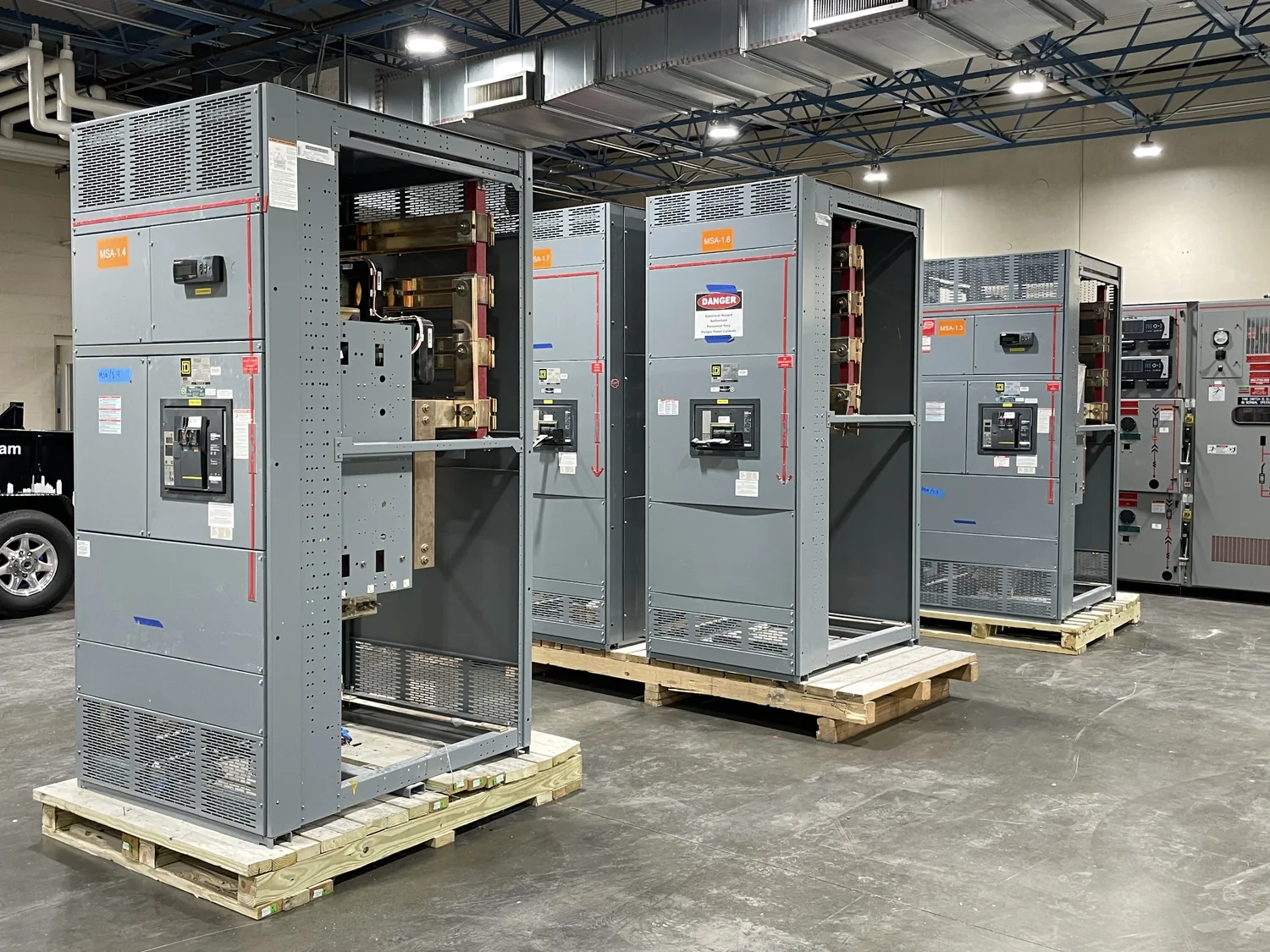
Sell Schneider Electric Switchgear in the DC Region
If your organization is preparing to remove, replace, or otherwise disposition used switchgear identified with the Schneider Electric nameplate, you can request a purchase review for equipment in Washington, DC, Northern Virginia, and Maryland. The buyer buys equipment only; it does not sell switchgear. This is an independent purchasing service, not a manufacturer-affiliated program or an endorsement by Schneider Electric.
A useful first step is to share clear photographs, readable nameplate details, approximate lineup dimensions, and basic information about ownership and site access. These details help determine whether the equipment is a fit for review and what information is still needed before a project scope can be discussed. The name on a nameplate alone does not establish the equipment’s condition, completeness, configuration, or value, so no final price should be expected before review.
What to Include in an Initial Review
Photograph the lineup from the front and, where safely accessible, from the sides and rear. Include overall views that show how sections are arranged, plus close-ups of readable identification plates and any labels that help distinguish sections or components. If you have drawings, schedules, or an equipment list, those may also help clarify what is included. Do not open energized equipment or enter restricted areas to obtain photographs; follow the facility’s access and safety rules.
Record approximate overall height, width, and depth, along with the number of sections and any known shipping or handling dimensions. Share available electrical ratings and other nameplate information as written, rather than trying to infer specifications from appearance. Include whether the lineup is complete or whether breakers, doors, interior components, bus, controls, or other parts have been removed. If accessories, spare components, documentation, or related equipment are part of the proposed sale, identify them separately so the scope can be reviewed accurately.
Also explain who owns the equipment and who is authorized to approve its sale. If the asset is subject to a lease, lien, project agreement, owner approval, or other disposition process, clarify that before scheduling. A review can proceed more effectively when the proposed sale scope, asset ownership, equipment identification, and available records are consistent.
Ratings, Condition, and Project-Specific Review
Switchgear can vary substantially in arrangement, ratings, completeness, and condition, even when equipment carries the same brand name. The buyer considers all voltage classes, but that does not mean every lineup or component can be purchased. Suitability and any offer depend on review of the specific equipment and the information available; the brand identification by itself is not a price basis or a promise of acceptance.
Describe known condition and operating history as accurately as possible, including whether the equipment is installed, stored, partially dismantled, or affected by damage, corrosion, missing parts, or prior modifications. Seller testing is not required. If test reports or maintenance records already exist, you may share them, but do not arrange testing solely for the purchase review unless separately required by your own facility or project process. Do not operate, energize, or inspect equipment in a way that conflicts with site procedures.
No final purchase amount can be provided from a general description alone. The review may depend on the nameplates, lineup dimensions, ratings, completeness, condition, ownership, and removal constraints. If an offer is made and accepted, payment is arranged upfront. The timing and payment method should be confirmed as part of the transaction before removal is scheduled.
Disconnection, Removal, and Site Access
Removal planning should begin with the facility’s qualified electrical personnel and applicable safety and outage procedures. De-energization, isolation, and disconnect work must be performed by qualified personnel; sellers should not attempt these tasks themselves unless they are qualified and authorized under the site’s procedures. Coordinate the required outage window, access permissions, work sequence, and any facility-specific restrictions before agreeing on a removal date.
The buyer handles crane, rigging, disconnects, loading, freight, and hauling, subject to project arrangements and site access. Responsibilities and scope should be confirmed before removal, including what equipment is included, where it is located, how it can be reached, and what conditions could affect the work. The buyer pays the crane, rigging, loading, freight, and hauling costs, with responsibilities confirmed before removal. These arrangements are project-specific, so avoid assuming that a particular piece of equipment or access method will work without a site review.
For Washington, DC, Northern Virginia, and Maryland projects, provide practical access information rather than assuming a facility layout: the site’s location, receiving or loading hours, entry and escort requirements, staging limits, travel path to the lineup, and any known restrictions on vehicle or lifting-equipment access. Share door, corridor, turning, ceiling, floor, and loading-area constraints if they may affect movement. Where available, photographs of the route and loading area can help identify questions that need resolution before scheduling.
Setting a Realistic Schedule
A workable schedule depends on more than the equipment’s availability. The parties may need time to review the asset information, confirm authority to sell, agree on the purchase and removal scope, coordinate site access, and align the work with the facility’s qualified personnel and outage procedures. If the lineup is part of a replacement or renovation project, share relevant sequencing deadlines and any dates when the area cannot be accessed. These details help determine whether a proposed removal window is practical, without guaranteeing a particular schedule.
Before work is booked, confirm the accepted offer, upfront payment arrangements, equipment included in the sale, site contacts, access conditions, disconnection responsibilities, and the planned approach for lifting, loading, and hauling. Any changes in scope, equipment condition, access, or timing should be raised promptly. A clear information package and early coordination can help reduce avoidable scheduling questions while keeping safety and facility requirements with the qualified people responsible for them.
To begin, send clear equipment and nameplate photos, approximate lineup dimensions, available ratings and equipment records, a description of completeness and condition, confirmation of ownership or selling authority, and site access and removal details. The buyer can review that information and discuss whether to make an offer. If an offer is accepted, payment is arranged upfront, and the project’s removal responsibilities and logistics are confirmed before the equipment is taken from the site.