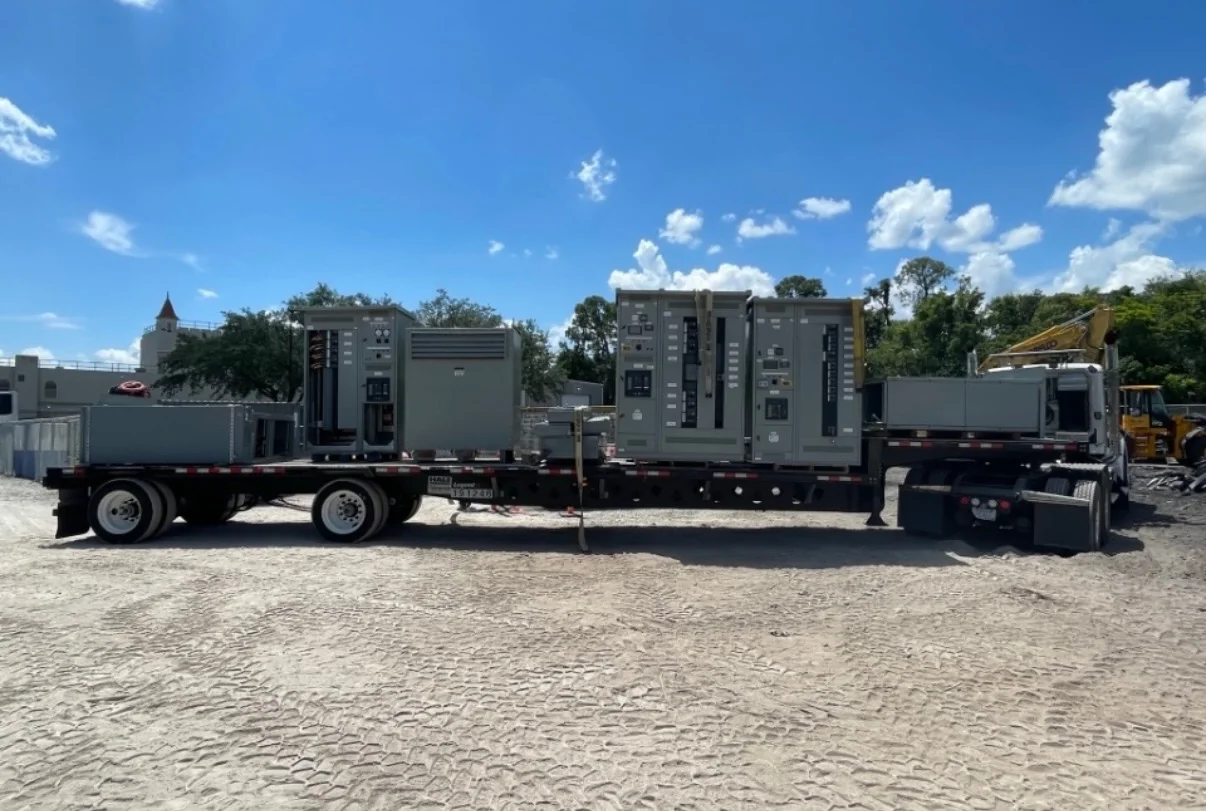
Sell Used Switchboards in the DC Region
If your organization is considering selling a used switchboard, a clear first step is to assemble the information needed to review the equipment and plan a practical removal. This guide is for commercial, institutional, and industrial sellers in Washington, DC, Northern Virginia, and Maryland. The buyer purchases equipment only; it does not sell switchboards. Cash offers may be made after the equipment and project details are reviewed, and payment is arranged upfront when an offer is accepted.
A switchboard can be part of a larger electrical lineup, so its value and removal plan depend on more than a single cabinet or rating. The equipment’s condition, configuration, completeness, ownership, access route, and removal constraints all matter. There is no need for the seller to test the equipment before submitting it for consideration, and all voltage classes are considered. A final offer or removal scope should not be assumed until the relevant information has been reviewed and responsibilities are confirmed.
Prepare Photos, Nameplates, and Lineup Details
Start with clear photographs of the complete lineup, including its front, sides, rear where safely accessible, and any visible sections, doors, or attached equipment. Include close-up images of each legible nameplate and rating label. Photos should be taken from safe, authorized locations; do not open energized compartments or remove covers to obtain them. If labels are damaged, obscured, or unreadable, note that rather than guessing at the information.
Provide lineup dimensions, including approximate width, height, and depth, as well as the number of sections and any noticeable changes in height or depth across the lineup. Record nameplate information that can be read, such as manufacturer, model or catalog number, serial number, and electrical ratings. These details help distinguish the equipment and support an initial review; they do not by themselves establish a final price. If the switchboard is part of a larger assembly, explain which sections are included and whether related items—such as breakers, covers, barriers, or accessory components—are present. Do not assume that missing or detached parts are included unless they are identified.
Describe visible condition and completeness in practical terms. Note apparent damage, corrosion, missing doors or covers, water exposure, modifications, or sections that have already been removed. Be straightforward about unknowns: a seller does not need to diagnose the equipment or conduct testing. Accurate photos and a clear inventory help avoid confusion later, especially when a lineup contains multiple sections or when equipment must be separated from assets that are staying at the site.
Confirm Ownership and Site Access Early
Before an offer or removal scope is set, establish that your organization has authority to sell the switchboard and identify who can approve the transaction. If the equipment is owned by a landlord, tenant, client, lender, or another organization, clarify who has title and who can authorize its removal. Share any asset-disposition steps, internal approvals, documentation needs, or timing restrictions that could affect the transaction. Ownership and authorization should be resolved before equipment is scheduled for removal.
Access details are equally important in the DC region, where a project may involve a secured commercial, institutional, or industrial site and coordinated building or campus procedures. Explain where the switchboard is located, how crews and equipment can reach it, and whether the route includes stairs, elevators, narrow corridors, loading areas, restricted doors, or other constraints. Note relevant loading-zone, vehicle, building-access, or working-hour limits, if known, and identify the site contact responsible for coordinating entry. These are project-planning questions, not assumptions about any particular facility.
Also describe the removal area and any known constraints around the equipment: overhead clearance, nearby walls or other installed equipment, floor or doorway dimensions, and the available path from the lineup to the pickup point. Share approximate dimensions of that route where they may limit movement. If a crane, rigging, or other specialized access arrangement might be needed, flag the possibility early. The final approach depends on site conditions and must be coordinated for the specific project.
Coordinate Disconnects, Removal, and Scheduling
Any de-energization, isolation, and electrical disconnect work must be handled by qualified personnel under the site’s safety procedures and outage requirements. Do not ask unqualified staff to disconnect, dismantle, or handle electrical equipment. The seller is not required to test the switchboard as part of submitting it for consideration; however, the equipment must be made safe for removal under the site’s applicable procedures. Coordinate the responsible qualified personnel, outage window, access permissions, and planned removal timing before work is scheduled.
The buyer handles crane, rigging, disconnects, loading, freight, and hauling, subject to the project arrangements and actual site access. Confirm these responsibilities before removal, including who will coordinate with the site, what access is available, and whether the proposed equipment and removal method can be accommodated. The buyer pays the crane, rigging, loading, freight, and hauling costs. Project-specific responsibilities, timing, and arrangements should be agreed in advance rather than left for the day of pickup.
Scheduling can involve more than the buyer and seller: a facility contact, qualified electrical personnel, building operations, and other authorized parties may need to align on the outage and access window. Share any known deadlines, shutdown periods, security procedures, and restrictions on work hours early. Avoid treating a tentative date as confirmed until the site has approved the work plan and the required access and qualified personnel are arranged.
Request a Review and Upfront Payment Arrangement
To request consideration, send clear equipment photos, readable nameplate information, lineup dimensions, a description of what is included, ownership or sale-authority details, and an honest summary of access and removal constraints. Include a site contact and the location within the facility, while avoiding sensitive access credentials in an initial inquiry. If the equipment is already disconnected or has been partially dismantled, explain who performed the work and what remains. If any information is unavailable, identify it as unknown instead of filling gaps with estimates presented as fact.
After reviewing the switchboard and project details, the buyer can determine whether to make a cash offer and discuss a suitable scope. No final price can be provided from the category or location alone; it depends on the equipment review and the practical removal arrangements. If an offer is accepted, payment is arranged upfront. Before removal, confirm the accepted offer, payment timing, included equipment, access plan, safety and outage coordination, and the buyer’s responsibility for crane, rigging, disconnects, loading, freight, and hauling costs.
A well-prepared submission gives both sides a more useful basis for deciding whether to proceed. Clear documentation, confirmed ownership, realistic access information, and coordinated qualified-personnel arrangements help reduce avoidable delays without requiring the seller to test the switchboard or take on unsafe work. The process is tailored to the actual equipment and site; an initial review is not a guarantee of an offer, a particular price, or a removal date.