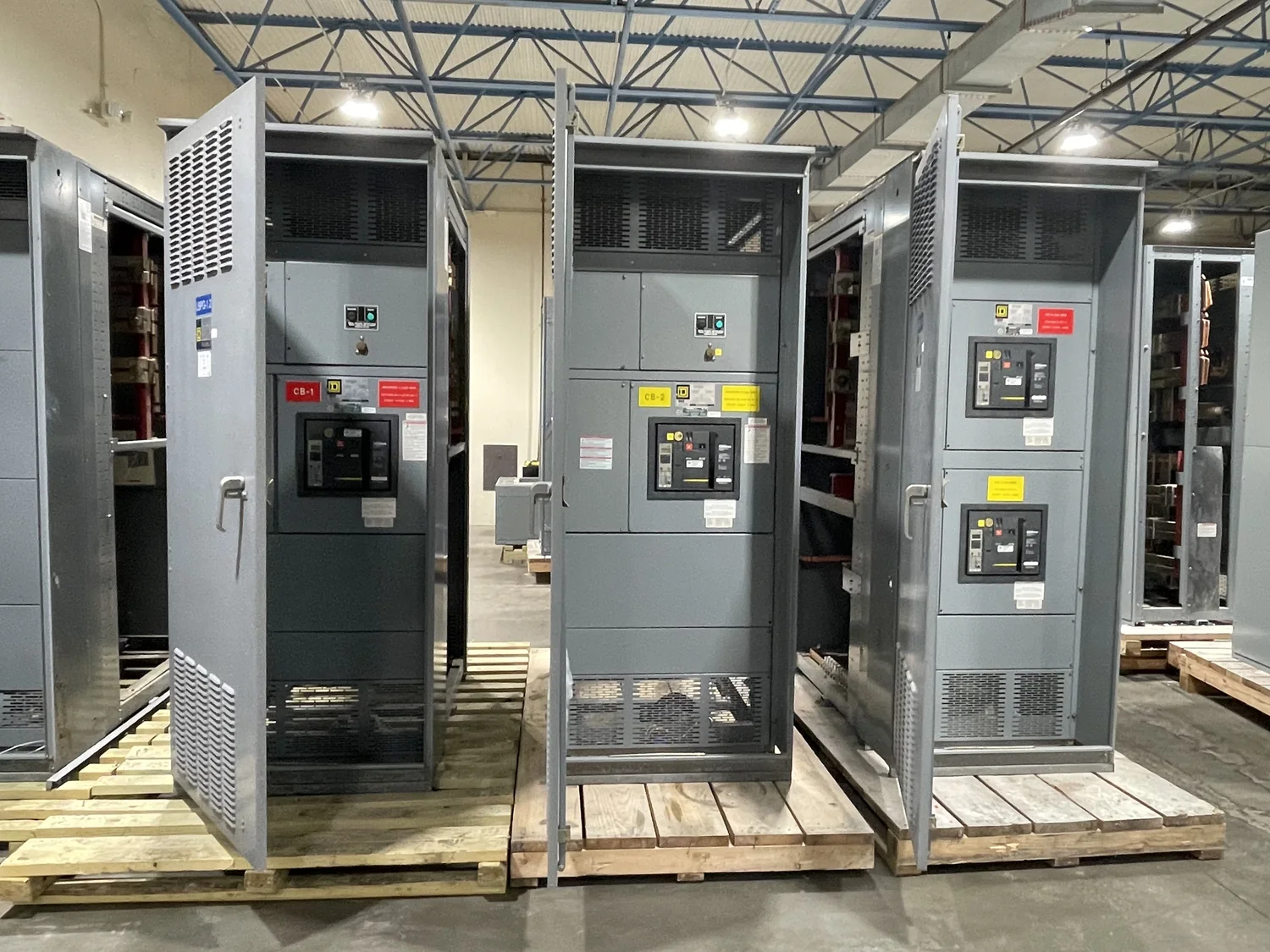
Sell Used Transformers in the Washington, DC Region
Businesses, institutions, and industrial facilities in Washington, DC, Northern Virginia, and Maryland may have used transformers to dispose of after a replacement, facility change, project closeout, or equipment surplus review. This buyer purchases used transformers; it does not sell equipment. The process starts with information about the specific unit and site, so the buyer can review the asset, assess removal needs, and discuss an offer. All voltage classes are considered, but that does not mean every unit will receive an offer or that an amount can be determined without review.
A practical first step is to gather clear photos, nameplate information, approximate dimensions, ownership details, and a description of site access. These details help establish what equipment is being considered and what a removal plan may involve. A preliminary review is not a final price or a guarantee of purchase. If an offer is made and accepted, payment is arranged upfront; the seller is not required to test the transformer before submitting it for consideration.
Prepare Equipment Information Before Setting Scope
Photograph the transformer from several angles, including the overall unit, visible accessories, connections, and any damage or missing parts. Take readable close-ups of each available nameplate. The information shown may help identify the equipment and its ratings; do not rely on a partial or unclear image when a better photo can be taken safely. If labels are inaccessible, note that rather than moving covers or approaching energized equipment to obtain a picture.
Share approximate height, width, and depth, and include any relevant lineup or room dimensions if the transformer is installed within a larger assembly or constrained space. Mention whether the unit appears complete and identify known accessories or associated equipment included in the proposed sale. The buyer may need to understand how the transformer is positioned, how it can be moved, and whether doors, corridors, stairs, elevators, loading areas, or exterior routes limit removal. Photos and measurements help with planning but do not replace a site-specific assessment when one is needed.
Include the facility or project context, the transformer’s current status if known, and any applicable scheduling windows. Do not assume that a unit can be removed merely because it is no longer needed: the person arranging the sale should be able to confirm ownership or authority to dispose of it. If the equipment is part of a broader asset-disposition process, identify who can approve the transaction and coordinate access, outage timing, and removal responsibilities.
Plan Qualified Disconnection and Site Access
Transformer removal requires coordination with the facility’s electrical and safety procedures. De-energization, isolation, and disconnect work must be performed by qualified personnel under the site’s applicable procedures. Do not attempt to disconnect, open, move, or handle electrical equipment unless qualified and authorized to do so. The required personnel, sequence, outage window, and release of the equipment should be agreed for the particular project before removal is scheduled.
Access conditions can shape the scope as much as the transformer itself. Share known restrictions such as limited working hours, security or escort requirements, loading-dock rules, narrow routes, overhead obstructions, floor or ground conditions, and limits on vehicle or lifting-equipment access. In the DC region, project schedules and access arrangements can differ substantially from one property to another; confirm the actual site rules rather than assuming a standard route or timetable. The buyer and site representatives should coordinate the work window and access plan in advance.
The buyer handles crane, rigging, disconnects, loading, freight, and hauling, subject to project arrangements and site access. That does not remove the need to confirm who performs each activity, when it can occur, and what the facility requires. Responsibilities, access, equipment staging, removal sequence, and any site-specific conditions should be reviewed before work begins. A safe and workable plan depends on qualified personnel and clear coordination with the site, not on an assumption that every transformer can be removed the same way.
Understand Offers, Payment, and Removal Costs
After reviewing the available equipment and project details, the buyer may make a cash offer. The offer is specific to the information and conditions reviewed; it should not be treated as a guaranteed value or a final price before the equipment and removal scope are assessed. Factors that may matter include the transformer’s identity and ratings, visible condition, completeness, accessibility, and the practical requirements for disconnecting and removing it. Testing by the seller is not required for consideration.
If the seller accepts an offer, payment is arranged upfront. Confirm the payment arrangement and transaction details before scheduling removal. The buyer pays the crane, rigging, loading, freight, and hauling costs, with the responsibilities and project arrangements confirmed before removal. The buyer also handles disconnect work as part of the agreed scope, while all electrical isolation and disconnection must be carried out by qualified personnel in coordination with the site’s safety and outage procedures.
Because access and scope are project-specific, provide accurate information early and raise uncertainties before accepting an offer or setting a removal date. For example, disclose if the transformer is indoors, enclosed in a lineup, difficult to reach, or subject to a restricted outage window. A change in access, completeness, or removal conditions may affect planning and should be discussed rather than left until equipment and personnel arrive.
A Clear Submission Makes the Review More Useful
For an initial review, send clear transformer photos, readable nameplates where available, approximate dimensions, and any lineup measurements that affect the route or working space. Include what is known about completeness and condition, confirm ownership or authority to sell, and describe site access, scheduling constraints, and removal limitations. Note whether qualified site personnel will coordinate de-energization, isolation, and the agreed disconnect process. You do not need to conduct testing to submit the equipment for review.
Once the buyer has the available details, the next discussion can focus on whether an offer is appropriate and what project arrangements would be needed. Confirm the asset being sold, payment timing, access and outage coordination, and each party’s removal responsibilities before work is scheduled. This gives commercial, institutional, and industrial sellers across Washington, DC, Northern Virginia, and Maryland a practical basis for evaluating a used-transformer sale without assuming a particular facility layout, local office, or one-size-fits-all removal plan.