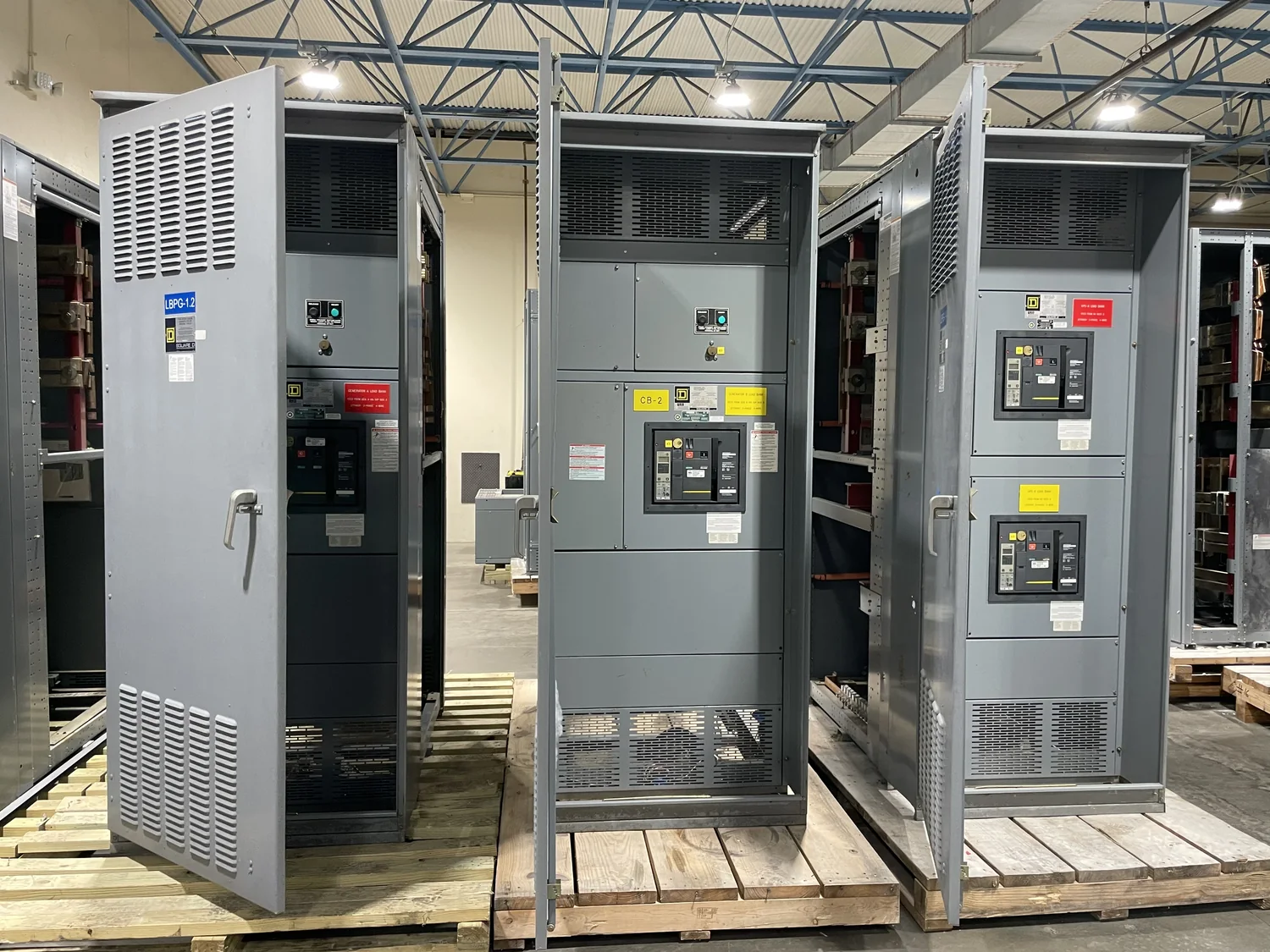
Transformers removal planning for DC-area sellers
Planning the removal of a transformer begins with understanding what is being offered, how it is installed, and what the site will allow. For sellers in Washington, DC, Northern Virginia, and Maryland, the practical scope can depend on building access, delivery routes, site rules, outage timing, and the equipment’s position within a facility. Those details vary by project, so a preliminary conversation should establish the facts before removal responsibilities or timing are set.
This buyer purchases transformers; it does not sell equipment. Sellers can submit information for review, and the buyer may make a cash offer after assessing the equipment and project details. If an offer is accepted, payment is arranged upfront. The seller is not required to test the transformer. All voltage classes are considered, but consideration does not guarantee an offer or a particular price. Any price and removal plan require review of the specific asset and site conditions.
Start with photographs, nameplates, and dimensions
Clear, current photographs help identify the equipment and its surroundings. Useful images include the full transformer from several angles, readable nameplates, visible connections and accessories, the floor or pad beneath it, and the route from its present position to a potential loading area. Take photographs only from locations and in ways permitted by the facility’s safety procedures; do not approach exposed or energized components to get a closer image.
Provide the nameplate information that is safely visible, along with the transformer’s lineup or overall dimensions, approximate weight if known, and any available equipment records. Note whether the unit is standalone or installed as part of a larger lineup, and identify accessories or components that are included in the proposed sale. Details such as configuration, condition as observed, completeness, and whether related equipment is included can affect both the purchase review and the removal scope. Do not remove covers or perform tests to obtain information.
If a nameplate is obscured or dimensions are not available, say so rather than estimating. The buyer can explain what additional information would be useful after reviewing the initial submission. Information gathered at this stage supports a preliminary assessment; it does not replace an on-site review where project conditions make one necessary.
Confirm ownership, scope, and site authority
Before an offer or removal is arranged, confirm that the seller owns the transformer or is authorized to sell it. If the asset is managed by a property owner, tenant, contractor, or another organization, identify who can approve the sale, schedule access, and authorize work. Clear ownership and approval reduce the chance of delays after the parties have discussed equipment and logistics.
Describe what is included and excluded: the transformer itself, associated components, and any other equipment proposed for removal. If equipment is part of an interconnected lineup or shared facility system, explain the boundaries of the proposed scope. The buyer purchases equipment; it is not a seller of replacement transformers or a substitute for the facility’s electrical contractor. Do not treat a preliminary discussion as permission to remove equipment or alter site systems.
For occupied buildings, industrial facilities, and other controlled sites, identify applicable access procedures, work windows, escorts, insurance or contractor-submission requirements, and any restrictions on vehicle or lifting equipment. Requirements are set by the site and project; they should be confirmed directly with the responsible facility contact rather than assumed from the equipment’s location in the DC region.
Coordinate safe disconnection and removal
The buyer handles crane, rigging, disconnects, loading, freight, and hauling, subject to project arrangements and site access. Responsibilities, equipment, sequencing, and any site-specific conditions must be confirmed before removal. The buyer pays the crane, rigging, loading, freight, and hauling costs for the agreed project scope. Confirm the included services and any exceptions with the buyer before the work is scheduled, especially if site rules or unusual access conditions affect the plan.
De-energization, isolation, and electrical disconnect work must be performed by qualified personnel under the site’s safety requirements and outage procedures. Sellers should not ask unqualified staff to disconnect, move, or handle electrical equipment. The required outage window, approvals, and coordination with facility operations should be established by the appropriate site representatives and qualified electrical personnel. Removal timing depends on those arrangements as well as access, lifting conditions, and the agreed scope.
Share practical access information early: door and corridor clearances, turns, ceiling or overhead restrictions, floor or loading-area constraints, distance to the loading point, and any known limits on crane placement or vehicle access. If a transformer sits below grade, inside a constrained room, or behind other installed equipment, describe the route and removal constraints as accurately as possible. These facts can affect the lifting method, schedule, and whether the proposed plan is workable.
Set a review and schedule without assumptions
A useful first submission brings together photographs, readable nameplates where available, lineup dimensions, ownership or sale authority, what is included, and the site’s access and scheduling details. Also mention whether the unit is currently connected, whether a planned outage is needed, and who will coordinate qualified electrical work. This gives the buyer a basis to review the opportunity and ask focused follow-up questions without requiring the seller to test the transformer.
No final price should be inferred from a photograph or a voltage class alone. The purchase offer depends on review of the particular equipment and the project information provided. If an offer is accepted, payment is arranged upfront; removal dates and logistics are coordinated separately and depend on agreed responsibilities, site access, qualified disconnection, and scheduling. There is no need for the seller to promise a removal window before those elements have been discussed.
For a Washington, DC-area project, plan around the actual facility and route rather than assuming a standard access or permitting process. Provide the site contact’s requirements, proposed work windows, and any known loading or lifting limitations so they can be reviewed. With equipment details and project constraints clarified early, the seller and buyer can determine whether the transformer is a fit for purchase and establish a removal plan that reflects the site’s real conditions.