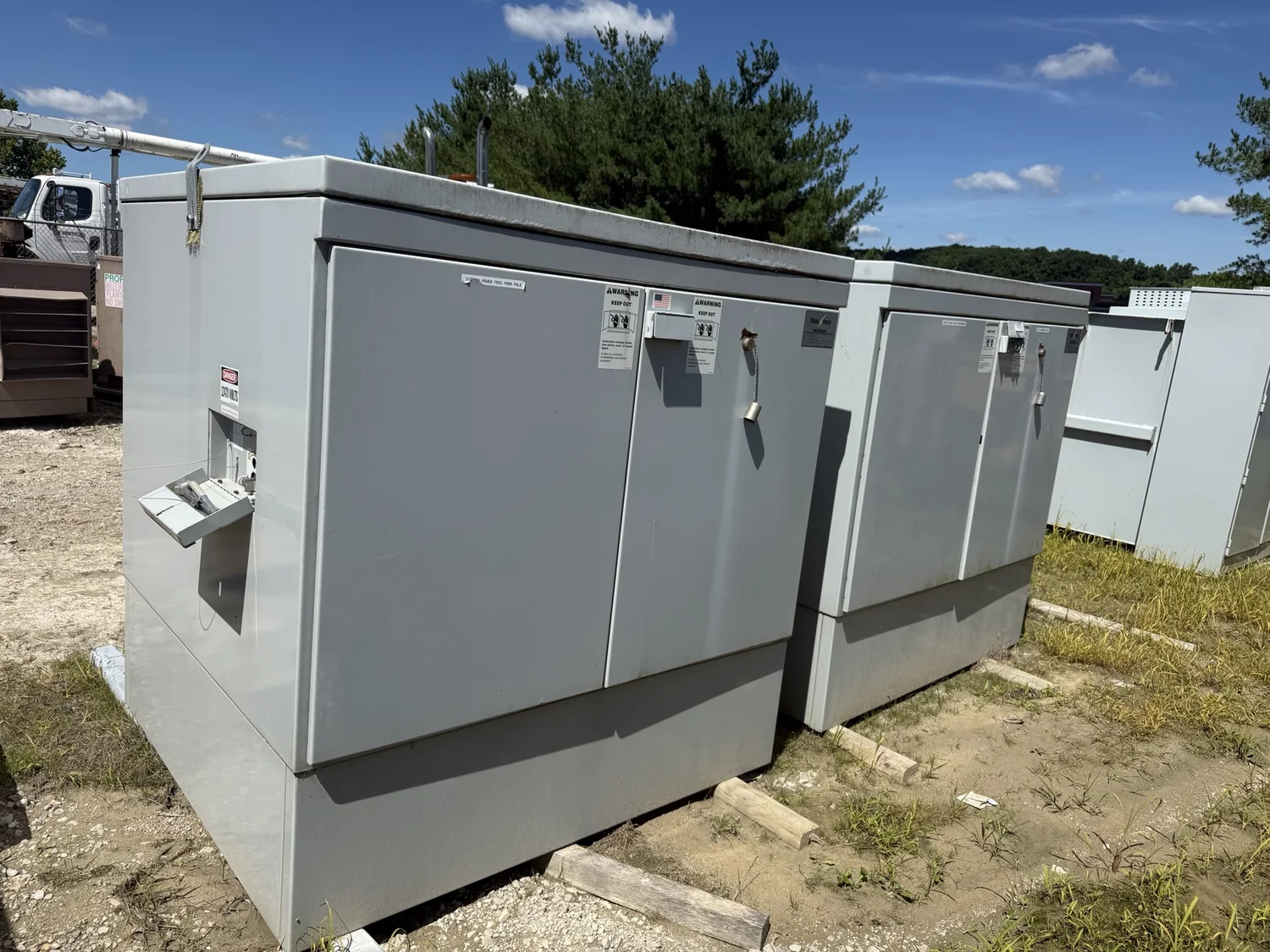
Plan switchgear disposition early in a transit facility closure
A transit facility closure or major changeout can create a tight sequence of decisions: identify what will remain in service, determine which switchgear is being removed, coordinate authorized electrical work, and clear the equipment without disrupting other site activities. If you are responsible for surplus switchgear in Washington, DC, Northern Virginia, or Maryland, begin the disposition conversation while the project schedule and access plan are still being developed. Early review gives the buyer and seller time to clarify the equipment scope and removal responsibilities before a crew or lifting plan is scheduled.
This is a buying service: the business purchases eligible equipment and does not sell switchgear. It can make a cash offer, and payment is arranged upfront if the offer is accepted. No testing is required from the seller. The buyer considers all voltage classes, but that does not establish a value or confirm that a particular lineup is suitable for purchase. An offer depends on reviewing the equipment description, condition information, completeness, ownership, and practical removal requirements.
Build a clear equipment inventory before setting scope
Start with a list that distinguishes the switchgear included in the closure or changeout from equipment that must remain. For each lineup, provide any available manufacturer and model information, equipment type, nameplate details, ratings, and approximate quantity of sections. Clear, readable nameplate photographs are especially useful; take them only where they can be obtained safely and without opening or approaching energized equipment. If a nameplate is missing or unreadable, say so rather than estimating its details.
Add overall photographs of each lineup and useful close-ups of visible labels, doors, bus or cable compartments where safely accessible, and obvious damage or missing components. Include lineup dimensions—overall length, height, and depth if known—and note whether sections are joined, separated, or accompanied by loose parts. Mention whether breakers, relays, control components, doors, covers, or other associated items are included, but do not assume that a visual appearance alone confirms completeness. A concise inventory and representative photos help establish what is being considered without requiring the seller to test the equipment.
For a transit closure, scope can be complicated by phased work, retained circuits, shared rooms, or equipment staged for a later project phase. Identify the planned removal boundary and any items that are excluded. If the equipment is part of a larger lineup, explain which sections may be removed and whether the remaining installation must stay intact. The buyer will need to review those details before the scope and removal plan are confirmed.
Confirm ownership, access, and removal constraints
Before an offer or removal plan is finalized, clarify who owns the equipment and who has authority to approve its sale and release. If ownership, project custody, or disposal approval is handled by another organization, identify the decision-maker and the steps needed to document authorization. This avoids planning around equipment that cannot yet be released and helps keep the transaction aligned with the facility’s closeout process.
Describe the site access conditions rather than assuming a standard pickup. Relevant details may include the facility’s location within the DC region, the route from the equipment room to a loading area, door and corridor clearances, floor or ramp transitions, available staging space, and any limits on truck or lifting-equipment access. Note security check-in, escort requirements, restricted work hours, neighboring operations, pedestrian or vehicle conflicts, and whether the removal path changes during construction. Share any known size, weight, or rigging information from project records, while clearly marking estimates as estimates.
Transit facilities can have controlled access and scheduled work windows, so timing should be coordinated with the site’s project and operations contacts. Provide the anticipated closure or changeout milestones, the preferred removal window, and any dates when access is unavailable. These details are planning inputs, not a promise that a particular date or method is feasible; the parties should confirm the schedule, scope, and site conditions before arranging removal.
Coordinate electrical work and removal responsibilities
The buyer handles crane, rigging, disconnects, loading, freight, and hauling, subject to project arrangements and site access. Confirm responsibility for each activity before removal, including how the equipment will be released from the installation, how it will reach the loading point, and which party coordinates site approvals and access. The buyer pays the crane, rigging, loading, freight, and hauling costs as described for this transaction, with responsibilities and arrangements confirmed before removal. A site-specific review is still necessary because equipment size, route constraints, work windows, and lifting access can affect the plan.
Any de-energization, isolation, and disconnect work must be performed by qualified personnel under the facility’s safety requirements and outage procedures. Do not ask unqualified staff to disconnect, open, move, or handle electrical equipment. The work sequence, required approvals, outage timing, boundaries between the installation and removal work, and confirmation that the equipment is released for removal must be coordinated with the site’s authorized personnel. The buyer’s removal responsibilities do not replace the facility’s safety procedures or authorize work outside the agreed scope.
Share known lifting or handling restrictions, overhead obstructions, nearby equipment that must remain operational, and any requirements for protecting floors, walls, cable routes, or adjacent assets. If the lineup must be broken down before it can pass through the route, identify that constraint early so the parties can discuss a project-specific approach. Do not assume that equipment can be separated, lifted, or moved through a route until the responsible project personnel have reviewed the conditions.
Request a reviewed offer and confirm the sequence
A useful first submission includes the equipment inventory, clear photos and nameplates, approximate lineup dimensions, known ratings, completeness notes, ownership or release status, target schedule, and access and removal constraints. If available, include drawings or project records that help describe the lineup and route, but distinguish documented information from field estimates. The buyer can review the information and make a cash offer when the equipment and proposed scope have been assessed; a final price should not be assumed from a brief description or photographs alone.
If the offer is accepted, payment is arranged upfront. Before removal, confirm the equipment included, any exclusions, payment timing, access arrangements, work window, qualified-personnel responsibilities, and the buyer’s crane, rigging, disconnect, loading, freight, and hauling arrangements. This written coordination is particularly valuable when closure work is phased or when other contractors and facility teams share the site.
For sellers across Washington, DC, Northern Virginia, and Maryland, the practical goal is to make the equipment and its removal conditions understandable before the site reaches its final clearance window. A careful inventory, realistic access description, clear ownership approval, and coordinated safety and scheduling plan help the parties evaluate the opportunity without relying on unverified facility assumptions or an unreviewed price.