A practical buyer for transit facility switchgear
When switchgear is taken out of service during a transit facility decommissioning, its disposition is one part of a larger project involving asset control, electrical safety, building access, and a coordinated removal window. We buy switchgear from organizations in Washington, DC, Northern Virginia, and Maryland, and can make a cash offer after reviewing the equipment and project details. We buy only; we do not sell equipment. If an offer is accepted, payment is arranged upfront, and the seller is not required to test the equipment for us.
A useful first step is to establish what equipment is being considered and who has authority to transfer it. Transit facilities may have ownership, contract, or project-closeout requirements that need to be resolved before equipment is released. Confirm that the organization offering the switchgear owns it or is authorized to sell it, and identify any restrictions on removal, documentation, or timing. We can consider all voltage classes; the actual configuration and condition still need to be reviewed before an offer or removal scope is set.
This buyer page is intended for a project-specific conversation, not a substitute for the facility’s decommissioning plan or procurement process. No final price can be determined from the equipment category alone. Asset completeness, identification, condition information, removal effort, access, and the proposed schedule can all affect whether a purchase is practical and how it is scoped.
Prepare equipment information before setting scope
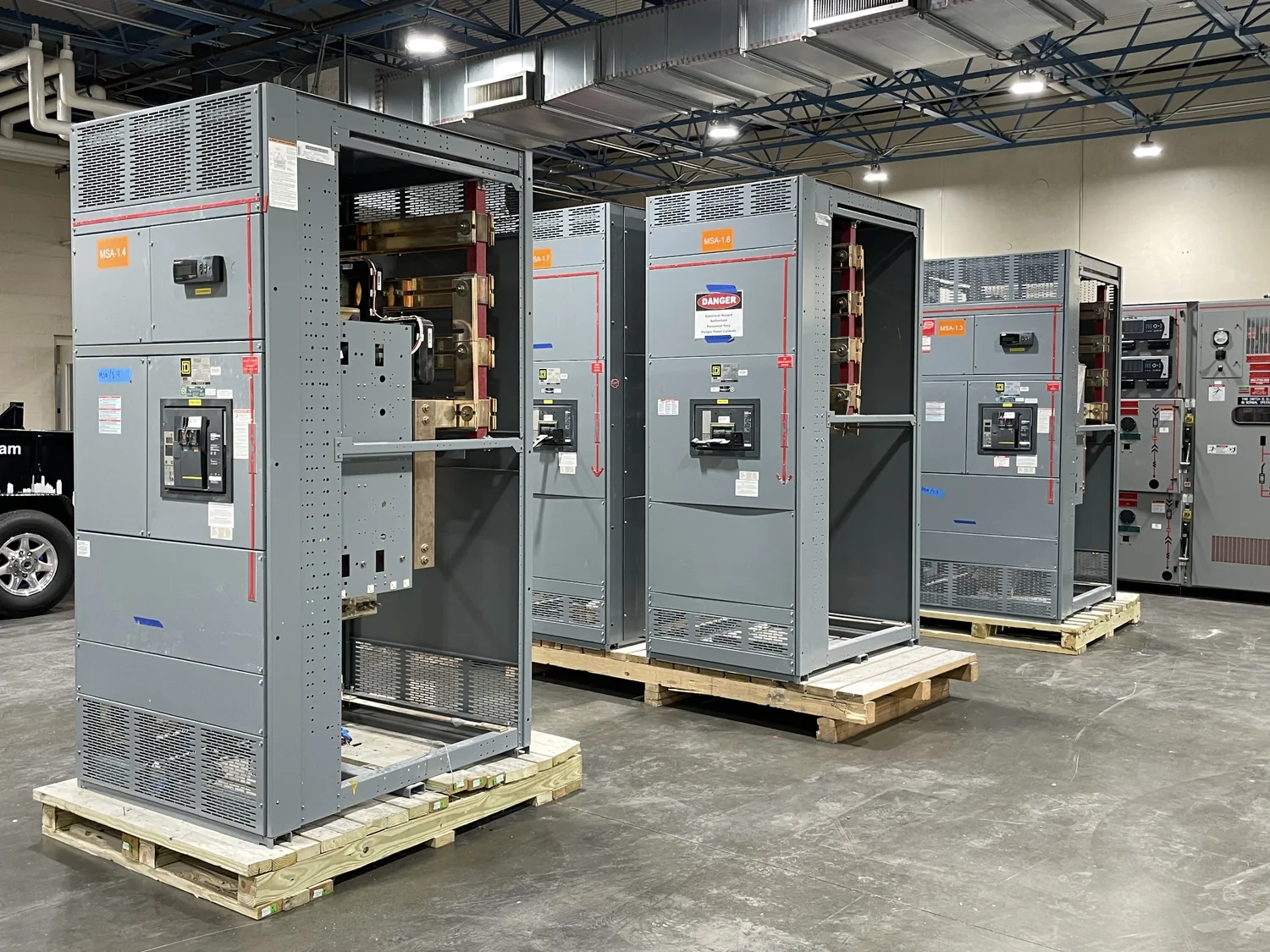
Clear photographs and nameplate details help establish what is present without requiring the seller to perform testing. If safe access allows, provide overview images of the complete lineup, close-ups of each section and its nameplate, and photographs of visible accessories or associated equipment included in the disposition. Images should be taken by personnel permitted to access the area; do not open energized equipment or approach exposed electrical parts for photography.
Share the manufacturer and model information shown on the nameplates, available ratings, section or unit identifiers, and any known configuration details. Include lineup dimensions—overall length, height, and depth—and, where known, the dimensions or approximate weight of individual sections. Note whether the lineup is assembled, separated, partially dismantled, or missing doors, covers, breakers, instruments, or other components. These details help distinguish a complete assembly from a group of loose or incomplete components and inform the lifting and transport plan.
Describe condition only to the extent it is already known. For example, indicate whether the equipment is reported as operating, out of service, damaged, or of unknown condition, and disclose visible damage or missing parts. No seller testing is required. If maintenance records, drawings, photographs from earlier project stages, or an equipment schedule are readily available and may be shared, they can provide context, but they do not replace review of the actual assets and site conditions. Avoid making unsupported assumptions about internal condition based solely on appearance.
Coordinate transit-site access and the work window
Transit facility decommissioning schedules can be linked to construction sequencing, outage windows, building handover, other trades, and restrictions on when loading or deliveries can occur. For a project in the DC region, explain the proposed removal period and any known limits on work hours, vehicle staging, loading-dock use, route access, escorts, badging, or movement through controlled areas. These are project details to confirm with the facility’s responsible staff; no particular site rule or access arrangement should be assumed in advance.
Provide the equipment’s location within the facility and the route from that location to the planned loading point. Note stairs, narrow corridors, door clearances, elevators, ramps, floor or overhead limits, turns, temporary obstructions, and whether the route passes through operational or restricted areas. If access depends on a planned shutdown, construction milestone, or building turnover, identify the responsible coordinator and the dates or sequence under consideration. Site access and timing must be coordinated for the specific project before removal is scheduled.
The buyer handles crane, rigging, disconnects, loading, freight, and hauling, subject to project arrangements and site access. Responsibilities and the practical scope must be confirmed before removal, including where lifting can occur, where vehicles can stage, and how the equipment can be moved from its installed position. The seller should describe known constraints and coordinate access, but should not assume that equipment can be removed through a particular route or within a particular window until the project parties have reviewed it.
Keep electrical safety and authorization with qualified personnel
Any de-energization, isolation, and disconnect work must be performed by qualified personnel under the facility’s applicable safety procedures and outage process. The site’s authorized personnel should determine what circuits or sources are involved, establish required isolation and verification steps, and coordinate the work with affected facility operations. Do not ask unqualified staff to disconnect, open, move, or otherwise handle electrical equipment. Photography and information gathering should also follow site access rules and avoid unsafe exposure.
Before the removal scope is finalized, clarify who will perform and authorize the electrical work, when the equipment can be made available, and what documentation or coordination the facility requires for access and removal. The buyer’s responsibility for disconnect-related work is subject to the project arrangements; it does not override site procedures or allow work to proceed without the required coordination. A proposed purchase and removal plan should account for the actual equipment and the facility’s approved sequence rather than presume a particular outage method.
Also confirm that the equipment has been released for disposition and that no project, owner, or contractual requirement prevents removal. If the lineup includes items that must remain, are subject to separate ownership, or are designated for retention, identify them clearly before a purchase scope is agreed. Clear boundaries help avoid confusion between the equipment being purchased and adjacent systems or materials that are not part of the transaction.
Request a review and agree on removal responsibilities
To begin a review, send the available nameplate photographs, lineup overview images, dimensions, known ratings, completeness and condition notes, ownership or sale-authorization details, site location, access route, and proposed timing. Include the name and role of the person coordinating disposition, along with any known crane, rigging, staging, loading, or removal restrictions. If some information is unavailable, say so; a preliminary discussion can identify what else may be needed before the scope is set.
After reviewing the information, we can discuss whether to make a cash offer and what details remain open. An offer depends on the specific equipment and removal circumstances, so it should not be treated as a guaranteed value or a final price before review. If the offer is accepted, payment is arranged upfront. The seller is not required to test the switchgear as a condition of requesting an offer.
Before removal, confirm in writing the equipment included, the payment arrangement, the agreed project schedule, and responsibilities for access, qualified electrical work, crane and rigging, loading, freight, and hauling. We handle the listed removal and transportation costs, with the scope subject to site conditions and project arrangements. A clear, coordinated handoff allows transit facility teams in Washington, DC, Northern Virginia, and Maryland to evaluate disposition without guessing about ownership, access, or the work needed to remove the lineup.