Unit Substations Removal Planning for DC-Area Sellers
Planning the removal of a unit substation is part of the equipment sale—not an afterthought. For sellers in Washington, DC, Northern Virginia, and Maryland, a workable plan starts with enough information to review the equipment, understand how it can leave the site, and coordinate timing with facility operations. Unit substations can be substantial assemblies, and the practical scope depends on the particular lineup, its condition and completeness, the building or yard layout, and the available route to a loading point.
This buyer purchases unit substations; it does not sell them. A seller does not need to conduct testing before requesting a review. All voltage classes may be considered, but that does not establish a value or mean every unit will be suitable for purchase. The buyer reviews the specific equipment and project details before making an offer. If an offer is accepted, payment is arranged upfront. Crane, rigging, disconnects, loading, freight, and hauling are handled and paid for by the buyer, subject to project arrangements and site access. Confirm the division of responsibilities, timing, and removal scope before work is scheduled.
Start with an Equipment Record
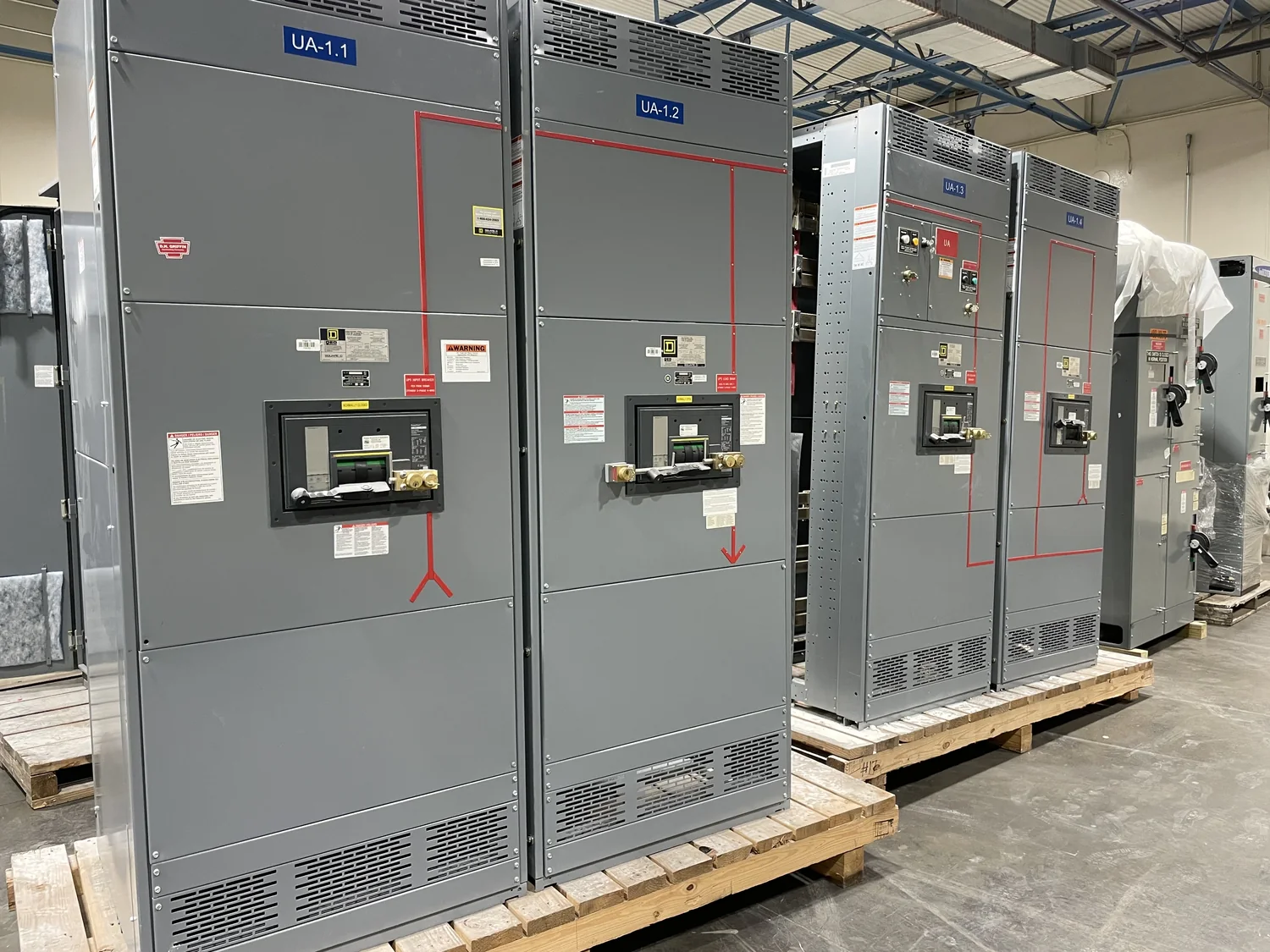
Send clear photographs and identifying information before setting a removal scope. Useful images include the complete substation lineup, each section from the front and sides, visible connections, nameplates, and any attached or separate components that are part of the offered equipment. Take photos from a safe, permitted position; do not open energized compartments or approach exposed electrical parts to obtain a picture. If a nameplate is hard to read, provide a close, well-lit image when it can be photographed safely, along with a wider shot showing where it is located.
Include readable nameplate details where available, such as manufacturer identification, model or type, serial information, and stated electrical ratings. These details help distinguish the equipment and support an initial review; they do not replace inspection or establish a final price. Describe what is included in the offer, such as associated sections or components, and note anything that is missing, damaged, altered, or not being sold. If documentation or prior service information is available, it may help clarify identity and completeness, but the seller should not create or infer records that are not on hand.
Provide lineup dimensions and, where practical, the approximate dimensions of individual sections and the overall footprint. Note the equipment’s installed location and any known weight information from documentation or nameplates. If weight is unknown, say so rather than estimating. Dimensions, ratings, component count, and completeness can affect handling requirements, the number of moves, and whether the proposed route and loading plan are workable.
Confirm Ownership, Access, and Removal Conditions
Before an offer is finalized or removal is arranged, clarify who owns the equipment and who is authorized to approve its sale and removal. If the equipment is subject to a lease, financing arrangement, shared ownership, or another party’s approval, identify the approval needed and resolve it before committing to a schedule. The buyer needs confidence that the seller can transfer the offered equipment and authorize access for the agreed work.
Describe how the buyer’s removal team and equipment could reach the substation and the loading area. Relevant details may include indoor or outdoor placement, door and corridor clearances, turns, stairs, ramps, floor or yard conditions, overhead obstructions, distance to the truck staging point, and any restricted loading or delivery areas. In the DC region, access and timing may need additional coordination where a facility has controlled entry, limited staging space, shared loading areas, or rules for work vehicles. These are planning questions, not assumptions about a particular site. Provide the actual site requirements, access windows, and contact or approval process for the project.
Flag removal constraints early: limited working hours, occupied areas, nearby equipment that must remain in service, restricted routes, special building procedures, or limits on crane or rigging access. If a crane, lift, rigging path, temporary opening, or other unusual arrangement may be needed, share relevant site information and available drawings or photographs. The buyer handles crane and rigging as well as loading, freight, and hauling, but the method and schedule depend on site conditions, access, and the final project arrangement. No removal method or scope should be assumed from photos alone.
Coordinate Safe Disconnects and Outage Timing
Disconnecting a unit substation is electrical work, not a seller-preparation task for unqualified personnel. De-energization, isolation, verification, and disconnect work must be performed by qualified personnel under the site’s safety procedures and outage requirements. The seller should coordinate with the facility’s responsible electrical staff and any other parties whose authorization or work is needed. Do not ask a buyer’s logistics team, building staff without the proper qualifications, or other unqualified personnel to disconnect electrical equipment.
Agree in advance who will perform and coordinate each part of the work, when the equipment can be made available, and what conditions must be satisfied before removal begins. The project plan should account for the site’s outage window, access rules, work authorization, and any sequencing needed to protect adjacent equipment and ongoing operations. The buyer handles disconnects as part of the agreed logistics, with responsibilities and timing confirmed for the project; this does not override site safety procedures or the requirement that electrical work be done by qualified personnel. Do not assume that a particular outage duration, disconnect method, or site approval process applies without confirmation.
Offer Review, Payment, and a Practical Checklist
A useful review package brings together the equipment record and the removal picture: clear photos, available nameplate information, lineup and section dimensions, ratings, component completeness, ownership and sale authority, access details, and known removal constraints. Include the desired timing and any site scheduling requirements. Tell the buyer what is known and identify what remains uncertain; accurate gaps are more useful than unsupported estimates. The buyer can then review the offered unit substation and the proposed logistics before determining whether to make an offer and what conditions may apply.
There is no need for the seller to test the equipment to request consideration. Do not treat an initial discussion as a final valuation or a guaranteed purchase. Any offer depends on review of the actual equipment and project details, and the final scope should be confirmed before removal. If the seller accepts an offer, payment is arranged upfront. The buyer pays the crane, rigging, loading, freight, and hauling costs, with all responsibilities, access conditions, and scheduling coordinated for the specific project.
Before moving forward, make sure the equipment being sold is clearly identified; the person authorizing the sale has authority to do so; photos and available nameplates are legible; dimensions and completeness are described; site access and loading conditions are understood; qualified personnel and site procedures will govern de-energization and disconnects; and timing is compatible with the facility’s operations. This preparation supports a more informed purchase review and a safer, more coordinated removal plan for a Washington, DC-area seller.