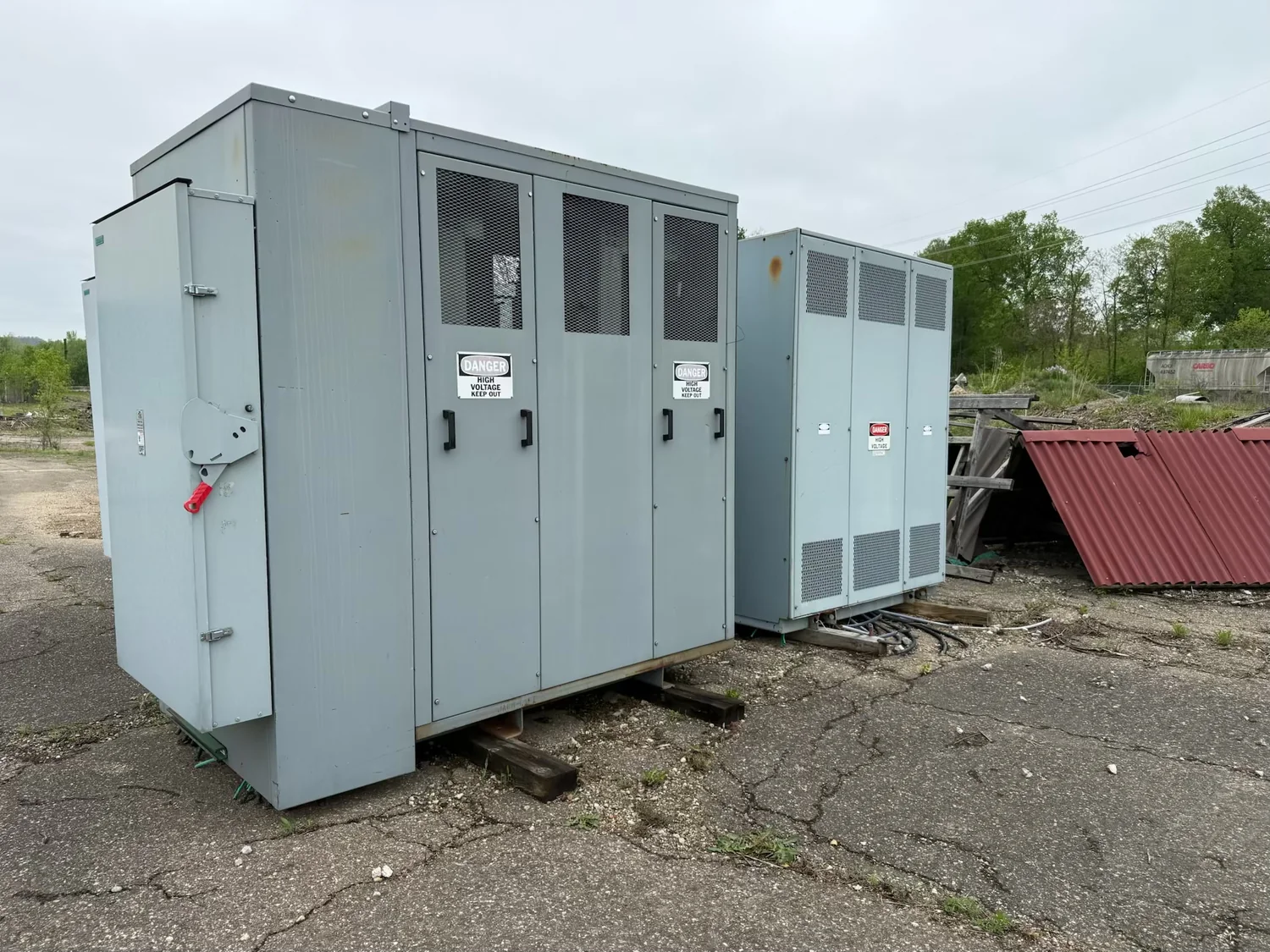
Plan switchgear disposition early in a campus closure
A university campus closure, building retirement, or major electrical changeout can leave switchgear that is no longer needed but still has material value. Planning its disposition early helps connect the equipment review to the broader project schedule, including utility or building shutdowns, contractor access, other removals, and the planned handoff of the space. This guide is for organizations considering a sale of surplus switchgear in Washington, DC, Northern Virginia, and Maryland. The buyer purchases equipment; it does not sell switchgear or provide electrical decommissioning services.
Start by identifying which lineups and components are included, who owns them, and when the equipment could be made available. A campus may have several buildings, electrical rooms, or project phases, so a general statement that “the switchgear is available” may not be enough to establish a workable scope. A preliminary inventory can separate equipment intended for sale from assets that will remain in service, be transferred elsewhere, or be removed under another contract. It can also reveal whether the equipment is still connected, whether other work depends on it, and who is authorized to approve its sale and removal.
A buyer can review the information provided and make a cash offer subject to that review. No seller testing is required. If an offer is accepted, payment is arranged upfront. The details of scope, timing, access, and responsibilities should be confirmed before removal; an initial conversation or photo review is not a final price or a guarantee that every listed item can be purchased. Earlier coordination gives the project team more opportunity to resolve questions before access windows become constrained.
Prepare photos, nameplates, and lineup information
Clear photographs are a practical starting point. Where it is safe and permitted to do so, provide overall views showing the lineup and its surroundings, plus readable nameplate images for the equipment being considered. Photos of individual sections, doors, labels, visible accessories, and any separately included components can help distinguish what is part of the offer review. Avoid opening energized equipment or entering restricted electrical spaces to obtain pictures. Arrange access and photography through the campus team, and follow site safety requirements.
Share available nameplate details and records without assuming that a particular voltage class is eligible or excluded: all voltage classes are considered. Depending on the equipment and project, useful information may include manufacturer and model identification, ratings shown on the nameplate, lineup configuration, section count, and any available drawings or schedules. These details support an initial review but do not substitute for confirmation of the physical equipment and the agreed scope. If a label is unreadable or records are unavailable, say so rather than guessing.
Lineup dimensions matter because removal feasibility depends on more than the equipment’s electrical description. Provide approximate height, width, and depth for each lineup or section when known, and note whether sections appear to be joined, separated, or installed with unusual clearances. Door openings, corridors, stairs, elevators, floor conditions, turning space, overhead restrictions, and the route to the loading area may all affect how equipment can be moved. The buyer can review those details with the project team, but site conditions and removal plans must be confirmed for the specific job.
Confirm ownership, completeness, and sale authority
Before setting scope, identify the legal owner of the switchgear and the person or organization authorized to approve its sale. A university, property owner, facilities department, lender, contractor, or other party may have a role in asset disposition. If ownership or sale authority is shared or subject to internal approval, clarify that early. The seller should also identify any equipment, parts, or materials that are excluded, reserved for reuse, or committed to another party.
Describe what is included with each lineup as accurately as possible. Relevant details can include the number of sections, visible breakers or other components, loose items stored with the equipment, and whether doors, covers, or other parts are missing. Completeness can affect how an offer is reviewed and how removal is planned. Do not assume that an item shown in a room or photograph is included; list included and excluded materials explicitly, especially where campus equipment, contractor materials, or assets from multiple projects are stored together.
The buyer does not require the seller to test equipment. Provide existing records if available, and be clear about what is known, unknown, or based on an old inventory. A review may be limited if the scope, ownership, condition, or access details are unclear, and the buyer may need additional information before making or confirming an offer. The appropriate next step is an informed review—not a promised valuation based solely on a short description, a single photo, or an assumed equipment specification.
Coordinate access and qualified electrical work
Switchgear must not be disconnected, handled, or prepared for removal by unqualified personnel. De-energization, isolation, and disconnect work must be performed by qualified personnel under the campus’s safety procedures, outage planning, and applicable site controls. The buyer does not replace the campus’s electrical professionals or determine whether equipment is safe to work on. Coordinate the required electrical work, approvals, and outage timing with the responsible facilities and project teams.
Access planning should be specific to the building and removal route. Confirm the site contact, permitted work areas, check-in requirements, access hours, loading location, and any restrictions on vehicles, equipment, deliveries, or work windows. A university campus may be active even during a closure or changeout, so adjacent buildings, research or operational areas, pedestrian routes, and other contractors may affect scheduling. These are project questions to verify with the site; they should not be assumed from the campus name or region.
Share known removal constraints before responsibilities and timing are finalized. Examples include limited staging space, restricted truck access, narrow doors, low overhead clearance, stairs, sensitive floors, nearby equipment that must remain, or a need to coordinate with other trades. Site access, equipment dimensions, and the condition of the route influence the practical removal approach. If conditions change between the initial review and the scheduled work, the parties should revisit the plan before proceeding.
Set removal responsibilities and payment terms before work begins
For an accepted offer, payment is arranged upfront. The buyer handles the crane, rigging, disconnects, loading, freight, and hauling, subject to project arrangements and site access. Because work areas, electrical responsibilities, access windows, and removal routes differ from one campus project to another, confirm the scope and each party’s responsibilities before removal. In particular, coordinate disconnect work with qualified personnel and the site’s safety and outage procedures; do not treat the buyer’s logistics responsibility as permission for unqualified people to perform electrical work.
Before scheduling, confirm which equipment is covered by the accepted scope, the planned access period, the loading location, the expected removal sequence, and any site restrictions that affect lifting or transport. Establish who will provide access, who will coordinate with campus security or facilities, and how changes in scope or timing will be handled. The buyer’s responsibility for crane, rigging, loading, freight, and hauling remains subject to the agreed project arrangements and actual site access, so practical details should be reviewed rather than left implicit.
A useful first submission combines readable equipment photos, available nameplates and records, lineup dimensions, a list of included and excluded components, ownership and sale-authority details, and a description of access and removal constraints. Include the anticipated closure or changeout schedule and any known outage or contractor coordination requirements. That information supports a more useful review for campuses across Washington, DC, Northern Virginia, and Maryland while avoiding assumptions about a particular building, manufacturer, rating, or removal date. An offer and removal plan can then be discussed on the basis of the actual equipment and project conditions.