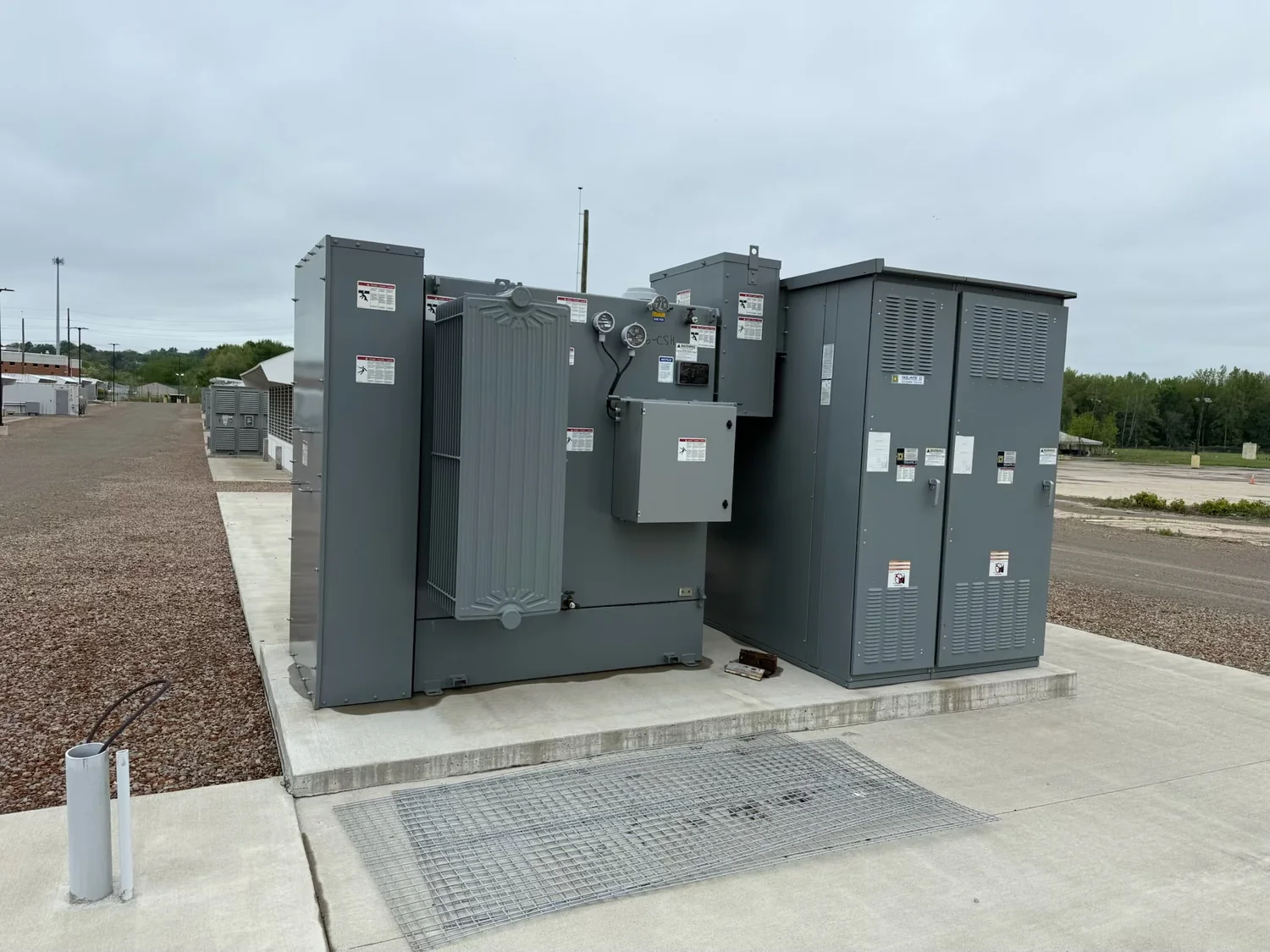
A practical route for switchgear disposition
Decommissioning a water treatment plant can involve several overlapping workstreams: retiring electrical equipment, maintaining safe site conditions, coordinating contractors, and keeping the overall project on schedule. If switchgear is being removed from service, selling it to a buyer may be one option for disposition. The first step is not a price estimate based on a general description; it is a clear review of the specific equipment, its condition and completeness, and the practical requirements for reaching and removing it.
This buyer serves Washington, DC, Northern Virginia, and Maryland, and buys switchgear rather than selling equipment. It considers all voltage classes. A seller does not need to test equipment before requesting a review, and the buyer can make a cash offer after reviewing the information and proposed scope. If an offer is accepted, payment is arranged upfront. The offer and payment details should be agreed before removal is scheduled, with responsibilities and timing confirmed for the project.
What to document before requesting a review
Start with clear photographs of the switchgear lineup. Useful views include the full lineup from the front, each section and its doors, visible nameplates, and any labels or markings that help identify the equipment. Photograph condition issues that can be seen without opening energized compartments or disturbing the installation. Do not remove covers or approach equipment in a way that conflicts with site safety rules simply to obtain a picture; arrange any necessary access through the facility’s qualified personnel.
Provide legible nameplate images and transcribe the available identification and ratings where practical. Details such as manufacturer, model or type, serial information, rated voltage, current, and other marked ratings can help the buyer understand what is being offered. No particular manufacturer or voltage should be assumed from the facility type. Include lineup dimensions—overall length, height, and depth if known—and note how many sections are included. If dimensions are approximate, label them as such; a site measurement or drawing can help clarify the footprint before removal planning begins.
Describe completeness as accurately as possible. Note whether the offered scope includes associated breakers, compartments, controls, protective devices, bus components, relays, or other items, but do not assume that every component is present or included. Identify missing parts, known damage, prior modifications, or components being retained by the facility. Drawings, equipment schedules, or an asset list may be useful if available. These details support a more informed review, but they do not substitute for confirming the actual equipment and scope before a final offer is set.
Ownership, site access, and removal planning
Clarify who owns the switchgear and who has authority to approve its sale and removal. If the equipment is controlled by an owner, operator, project manager, or another authorized party, identify the appropriate contact and any required internal approval process. The buyer needs to understand what equipment is included, where it is located, and whether any related components, materials, or records are excluded from the proposed transaction.
Share the site access details that affect a removal plan: the facility location within the DC, Northern Virginia, or Maryland service area; the building or room where the lineup sits; available routes from the equipment to an exterior pickup point; door, corridor, stair, and overhead clearances; and any known restrictions on vehicle access or staging. Explain whether the lineup is on an upper floor, in a basement, behind controlled access, or otherwise difficult to reach. These are planning questions, not assumptions about a particular plant. Site review may be needed to confirm the path, equipment dimensions, lifting needs, and work sequence.
Water treatment facilities may have operational, security, environmental, or outage procedures that affect access and timing. Share the applicable site requirements, permitted work windows, escort or check-in arrangements, and coordination contacts early. The schedule should account for facility priorities and any other work happening in the area. No removal date or scope should be treated as settled until the project parties have confirmed access, timing, responsibilities, and the conditions required to proceed.
Safe disconnection and removal responsibilities
Any de-energization, isolation, and electrical disconnection must be performed by qualified personnel under the site’s safety rules and outage procedures. Unqualified personnel should not disconnect, open, move, or otherwise handle electrical equipment. The facility and its designated qualified personnel must coordinate the work sequence and confirm when the equipment may be accessed for removal. Site safety procedures and project approvals govern; a purchase discussion does not replace them.
The buyer handles crane, rigging, disconnects, loading, freight, and hauling, subject to project arrangements, site access, and an agreed scope. Responsibilities for disconnect work, coordination with qualified personnel, equipment preparation, lifting, loading, and transport must be confirmed before removal. The buyer pays the crane, rigging, loading, freight, and hauling costs, with the arrangements documented for the project. The exact approach depends on the equipment, its location, the route out of the building, available staging space, and the site’s requirements. If access is constrained or special lifting arrangements may be necessary, flag that early so the removal plan can be reviewed rather than assumed.
Before scheduling, reconcile the equipment list and photographs with the agreed scope, verify who will authorize access, and confirm the work window and removal path. If site conditions or the offered equipment differ from what was reviewed, the parties may need to revisit the scope and arrangements. Clear communication helps avoid preventable delays while respecting the facility’s safety and operating requirements.
Offer review and next steps
To begin, send clear equipment photos, nameplates, lineup dimensions, a description of included and missing components, ownership and authorization details, and site access information. Add known removal constraints and any scheduling windows or outage procedures that may affect the project. The more accurately the initial package describes the actual lineup and route out of the facility, the more useful the buyer’s review can be.
The buyer reviews the information and scope before making an offer; there is no final price based on the page description alone, and no guaranteed offer or removal outcome. No seller testing is required to request consideration. If the offer is accepted, payment is arranged upfront, and removal logistics and responsibilities are confirmed before work is scheduled. For a decommissioning project in Washington, DC, Northern Virginia, or Maryland, an organized information package and early coordination can make the switchgear disposition discussion more straightforward without presuming facility-specific facts or bypassing site procedures.