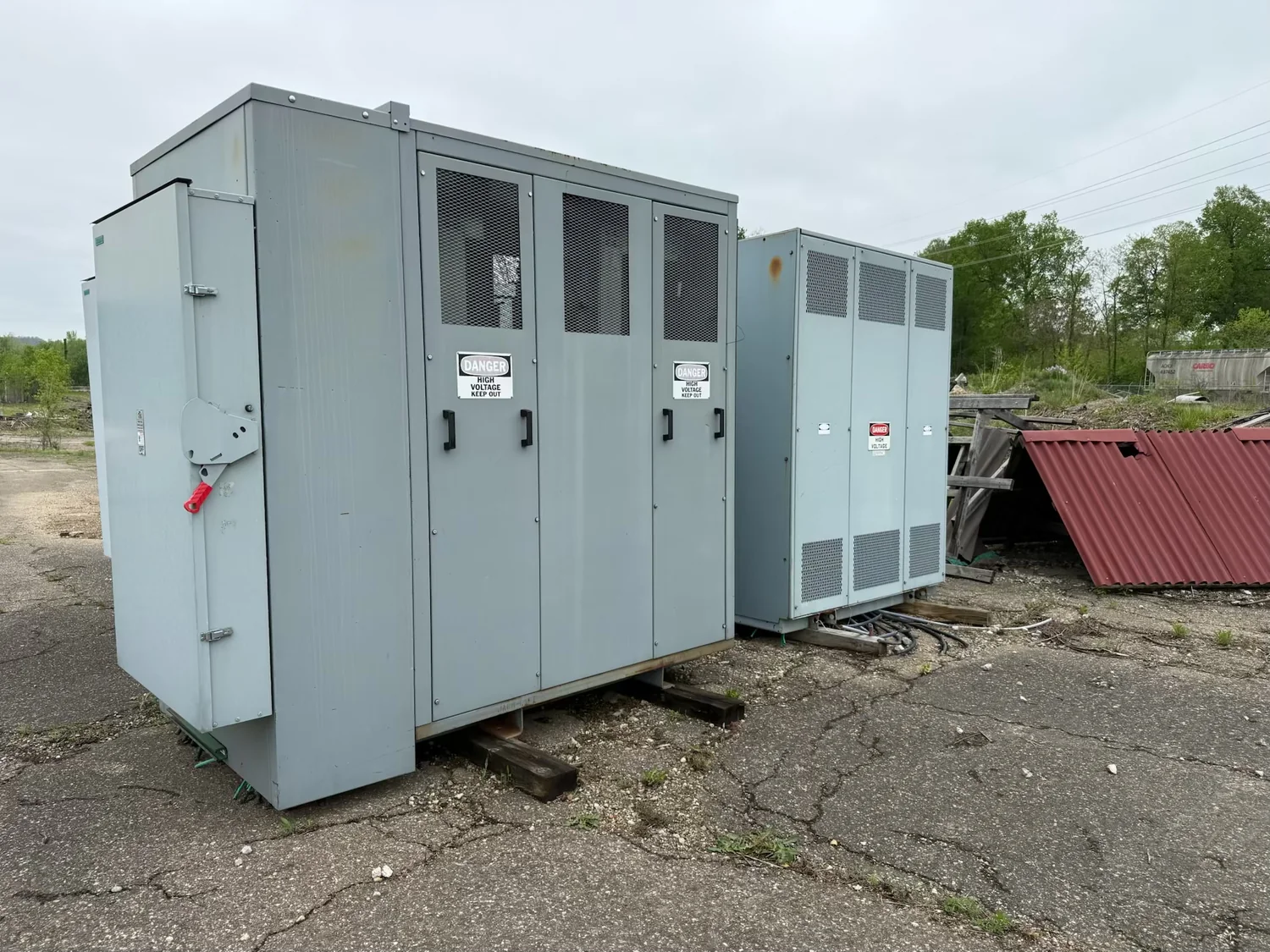
Westinghouse switchgear surplus review in the Washington, DC region
If a facility in Washington, DC, Northern Virginia, or Maryland is replacing equipment, consolidating operations, or closing a site, surplus Westinghouse switchgear may have value beyond its remaining service life at that location. We buy surplus switchgear and can review equipment from a changeout or other asset-disposition project. We do not sell equipment, and this purchase service does not imply an affiliation with or endorsement by Westinghouse.
Every review starts with the actual equipment and project conditions—not an assumed model, rating, or resale value. We consider all voltage classes, but the voltage class alone does not establish whether a particular lineup is suitable for purchase. Clear photos, legible nameplates, lineup dimensions, an ownership contact, and a description of site access help us understand what is present and what a removal plan may involve. A final offer is subject to review; no price can be responsibly confirmed from a brand name or a general description alone.
What to share for an initial review
Send overall photos showing the lineup in place, plus closer views of the nameplates and any visible labels or identification plates. Images of the front, sides, rear where safely accessible, and the surrounding work area can help show configuration, condition, and potential removal constraints. Please do not open energized compartments or enter restricted areas to take photographs. Follow site safety rules, and have qualified personnel obtain any views that require access to electrical equipment or controlled spaces.
Include the approximate lineup length, height, depth, and the number of sections if known. Share nameplate information as it appears rather than estimating missing details. Ratings and markings may help identify the equipment for review, but do not assume that a particular rating, vintage, or configuration guarantees an offer. Also note whether breakers, components, doors, covers, or other associated pieces are present, removed, incomplete, or stored separately. Completeness can affect how the equipment is assessed and how it can be prepared for removal.
A concise project summary is useful: why the equipment is surplus, whether it has been removed or remains installed, where it is located within the facility, and when the site expects access to be available. If records or an inventory are available, they may help clarify what is included, but do not delay an initial conversation simply because documentation is incomplete. Photos and stated dimensions are starting points; project scope and any offer require review of the specific equipment and circumstances.
Ownership, condition, and scope of the assets
Before a purchase can proceed, the seller should be able to confirm ownership or authority to dispose of the switchgear. Identify the person responsible for approving the sale and coordinating site access. If the equipment is part of a landlord, tenant, contractor, lender, or other party’s assets, clarify who has authority to authorize removal and transfer. Clear ownership information helps prevent a proposed transaction from getting ahead of the necessary approvals.
Describe what is included in the proposed sale and what is excluded. The scope may cover a complete lineup, selected sections, or equipment already removed and staged, depending on the project. Identify related components that are included, packed separately, or not available. Note any known missing parts, visible damage, storage conditions, or changes made during the equipment refresh. These details support a practical review; they are not a substitute for an inspection or a guarantee of value.
Seller testing is not required for us to consider surplus equipment. Do not energize equipment, perform electrical work, or arrange tests solely for the purpose of making an inquiry. Any existing records or condition information may be shared if available, but the seller is not expected to conduct technical work for a preliminary review. The buyer will assess the information provided and may ask follow-up questions before determining whether to make an offer.
Removal planning, safety, and regional access
Installed switchgear removal is a coordinated project, not an instruction for an unqualified person to disconnect or handle electrical equipment. De-energization, isolation, verification, and disconnect work must be performed by qualified personnel under the facility’s safety rules and outage procedures. The site and project team should coordinate the required work, approvals, timing, and access before removal. We do not ask sellers to bypass procedures or make equipment available before it is safe and authorized to do so.
The buyer handles crane, rigging, disconnects, loading, freight, and hauling, subject to project arrangements and site access. Responsibilities, schedule, scope, and access conditions should be confirmed before removal. In the Washington, DC region, a project may need to account for the actual facility’s delivery routes, loading areas, operating hours, security or check-in procedures, elevator or doorway limits, and any restrictions on staging or vehicle access. These conditions vary by site; no specific facility layout or access arrangement should be assumed.
Useful planning details include the route from the lineup to the loading area, clear opening dimensions, floor or ramp transitions, ceiling or overhead obstructions, and available space for rigging and staging. Share any known limits on truck access, crane placement, loading windows, noise, work hours, or coordination with other contractors. These details help determine whether the proposed removal sequence is practical and what needs to be resolved in advance. If access or removal requirements are not yet known, state that openly so they can be addressed during project planning.
Offer review and upfront payment
After reviewing the available equipment details and project information, we may make a cash offer. The amount and any conditions depend on the specific switchgear, what is included, its completeness, ownership and disposition authority, and the removal and access arrangements. An initial inquiry or photo review is not a final price, and no offer should be treated as guaranteed before the scope is reviewed and agreed.
If an offer is accepted, payment is arranged upfront. Confirm the agreed asset scope, payment timing, access, removal responsibilities, and schedule before work begins. The buyer pays for crane, rigging, disconnects, loading, freight, and hauling, with the project responsibilities confirmed in advance and subject to site access and arrangements. This makes it important to share practical constraints early rather than assume a standard removal plan.
To start a review, provide clear equipment and nameplate photos, approximate lineup dimensions, an inventory of what is included, the equipment’s installed or stored status, ownership and approval details, and the site’s known access and timing requirements. Those basics help establish whether the surplus Westinghouse switchgear may fit a purchase and removal plan for a project in Washington, DC, Northern Virginia, or Maryland.