Plan switchgear disposition early in a plant closure
Closing a manufacturing plant or changing out a switchgear lineup involves more than deciding whether equipment may have resale value. The seller must coordinate asset ownership, operating plans, qualified electrical work, building access, and removal timing. Starting the disposition conversation while the closure schedule is still being developed gives the parties more opportunity to define a workable scope and identify constraints before they become urgent.
This buyer serves businesses in Washington, DC, Northern Virginia, and Maryland. It buys switchgear; it does not sell equipment. It can consider equipment from all voltage classes, but a specific offer depends on review of the assets and the proposed removal. There is no need for the seller to test equipment before requesting consideration, and no final price should be assumed until the relevant details have been reviewed. If an offer is accepted, payment is arranged upfront, with payment and removal responsibilities confirmed for the project.
For a closure, it can help to separate the equipment disposition decision from the broader demolition or facility-transfer schedule. Identify which lineups are included, which equipment must remain in service until a defined date, and whether any assets are reserved for reuse or another buyer. These details are useful for scoping; they do not replace the site’s operating, safety, or outage procedures. Avoid promising a removal date until access, qualified disconnect work, and the removal plan can be coordinated.
Build a clear equipment inventory before requesting an offer
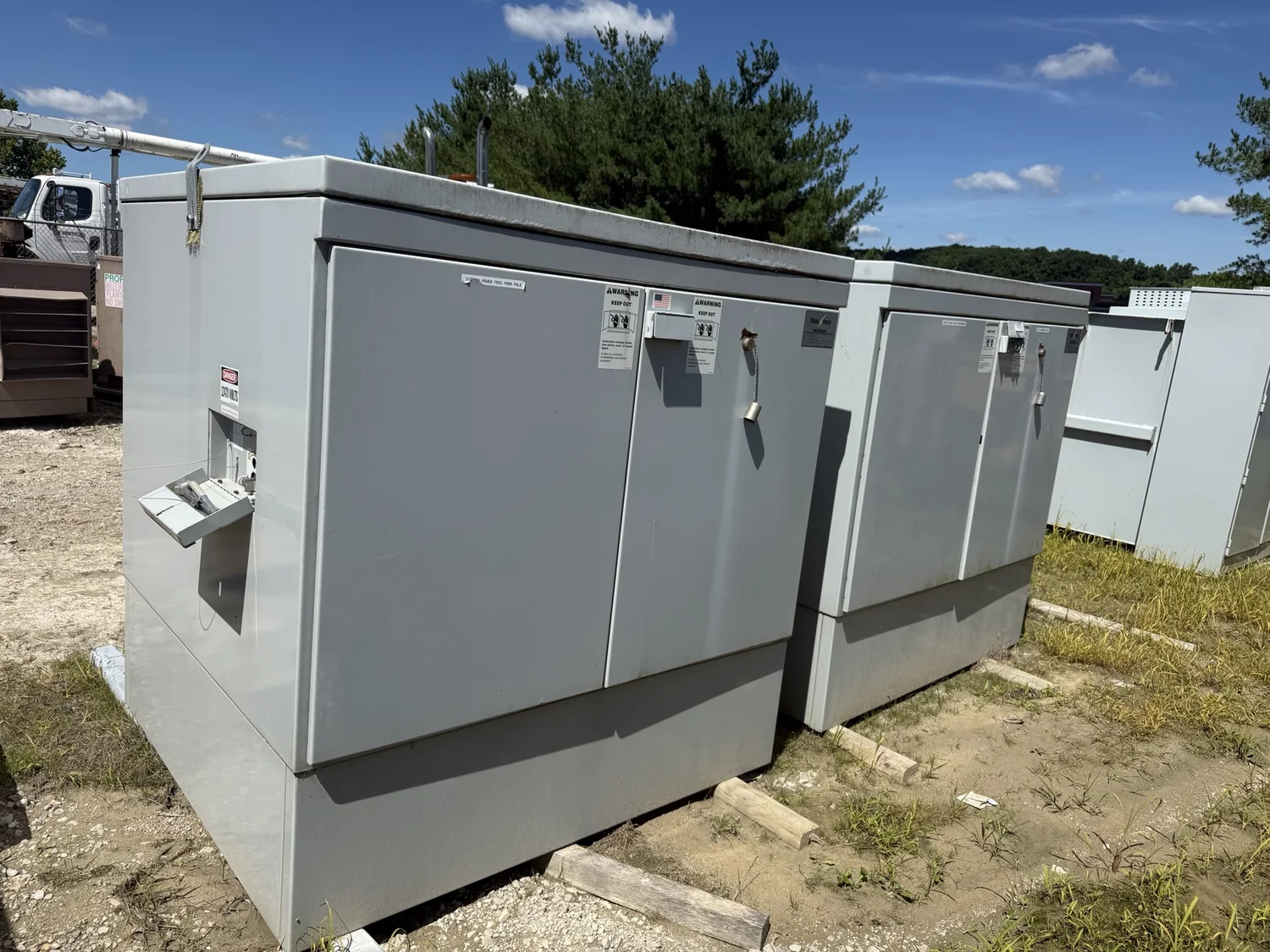
Start with clear, well-lit photographs of each switchgear lineup and its surroundings. Include full views from the front and rear where safely accessible, close-ups of available nameplates, and photographs that show how sections connect or sit in the room. Do not open energized equipment or enter restricted areas to obtain images. If a nameplate is missing, unreadable, or inaccessible, note that rather than guessing at its information.
Record the nameplate details that are available, along with the lineup’s overall dimensions and the number and approximate dimensions of its sections. Photos of labels, breakers, bus connections, compartments, and visible accessories may help describe completeness, but they are not a substitute for a technical inspection or a guarantee of condition. Identify known missing sections or components, modifications, storage history, or damage where that information is available. The buyer may ask follow-up questions if photographs or records leave important scope details unclear.
Provide a practical inventory that distinguishes the switchgear being offered from adjacent equipment that is not included. If the lineup is part of a larger electrical system, mark which cabinets, breakers, or related items are included and which are excluded. A simple floor plan, equipment schedule, or annotated photo can help prevent a mismatch between the assets reviewed and the assets made available for removal. Accurate scope is particularly important when the plant is closing and multiple contractors or asset buyers may be working to different schedules.
Confirm ownership, site access, and removal boundaries
Before an offer is finalized, clarify who owns the equipment and who has authority to sell it. If the plant operator, property owner, lender, leasing company, or another party has an interest in the assets, resolve approval and release requirements before setting removal scope. The buyer needs enough information to understand that the equipment can be transferred and that the person coordinating the sale can authorize the transaction. Do not assume that possession of equipment alone establishes the right to sell it.
Describe the site’s access conditions as specifically as possible. Relevant details may include the facility address or service location, check-in requirements, available work hours, security or escort procedures, loading-dock or yard access, door and corridor clearances, floor conditions, and any restrictions on staging equipment. Explain whether a truck can approach the building, whether the lineup must pass through narrow openings, and whether removal is affected by other closure work. In the DC region, travel distance alone does not determine feasibility: building access, site rules, traffic-sensitive scheduling, and the available loading area can all affect the project plan.
Also identify the removal boundary. State where the buyer’s work would begin, what equipment is included, and what must be left intact. The buyer handles crane, rigging, disconnects, loading, freight, and hauling, subject to project arrangements and site access. Responsibilities, timing, and the work boundary should be confirmed before removal; unusual access, restricted working hours, or a complicated route out of the building may require additional coordination.
Coordinate outages and safe removal with qualified personnel
Any de-energization, isolation, and disconnection must be handled by qualified personnel under the site’s safety rules and outage procedures. Do not ask unqualified staff to open, disconnect, move, or otherwise handle electrical equipment. The plant’s responsible electrical and safety teams should determine the required shutdown sequence, establish the appropriate work conditions, and coordinate when the equipment can be released for removal.
For a closure or changeout, align the proposed removal window with production shutdowns, utility or building-system requirements, contractor schedules, and any remaining operations that depend on the equipment. The buyer’s ability to arrange disconnect and removal work does not authorize work outside the facility’s procedures or eliminate the need for site coordination. Confirm who controls access, who provides required site orientation, and how the work area will be made available at the agreed time.
Removal planning should account for the lineup’s size and weight as documented or estimated by qualified project personnel, the route from its installed position to the loading area, lifting points and overhead constraints, and any need to remove doors, partitions, or other obstructions. Share dimensions and access photos early so the removal approach can be discussed before a crew or equipment is scheduled. If the plant’s closure plan changes, communicate the change promptly; timing may need to be revised rather than assumed.
Request review with a defined scope and realistic schedule
A useful initial submission includes clear equipment photos, legible nameplates where available, lineup dimensions, a list of included assets, known completeness or condition information, ownership and sale-authority details, and a description of site access. Add the anticipated closure or changeout schedule, the earliest and latest practical removal windows, and any constraints on outages, working hours, staging, or loading. If a detail is unknown, identify it as unknown so the scope can be reviewed honestly.
The buyer reviews the information before making an offer; photographs and records help establish what is being considered but do not guarantee a particular valuation. No seller testing is required. If an offer is accepted, payment is arranged upfront, while the project’s removal timing and responsibilities are confirmed in advance. The buyer pays the crane, rigging, disconnect, loading, freight, and hauling costs, subject to the agreed project arrangements and site access.
A well-prepared handoff helps a manufacturing plant close or change out equipment with fewer avoidable surprises. Keep the inventory and access information consistent among the plant representative, qualified electrical personnel, and project coordinators. Confirm the assets, payment arrangement, work boundary, access plan, and schedule before removal begins. That practical preparation supports a clearer disposition decision without assuming facts about the facility, the switchgear, or the conditions of a particular site.