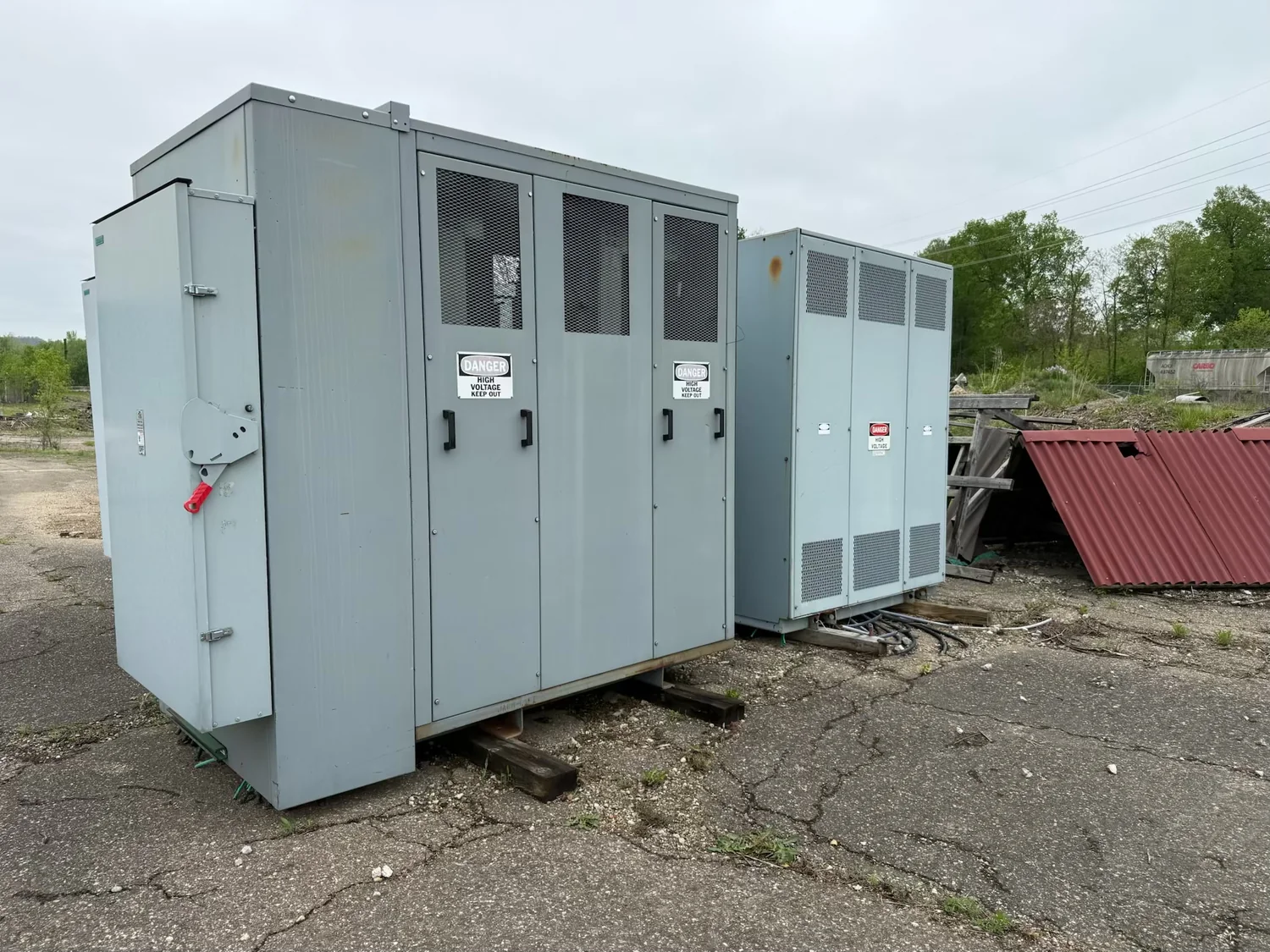
Disconnect Switch Removal Planning for DC-Area Sellers
Planning to sell disconnect switches in Washington, DC, Northern Virginia, or Maryland? A well-organized equipment review can help establish what is being offered, identify removal considerations, and coordinate a practical schedule. The buyer purchases equipment only; it does not sell disconnect switches or provide electrical installation services. It considers all voltage classes, and the seller does not need to test equipment to request a review.
No final price or removal scope can be set from a brief description alone. The buyer reviews the specific assets, their condition and completeness, ownership information, site access, and the work needed to remove them. A cash offer may be made after review. If the offer is accepted, payment is arranged upfront; the terms, responsibilities, and timing should be confirmed before removal begins.
Start With Clear Photos and Equipment Records
Send clear photographs of each disconnect switch and, where equipment is installed in a lineup, photographs that show its position and surrounding equipment. Include close, readable images of every available nameplate, along with overall views from more than one angle. A nameplate may help identify the equipment and its stated ratings; do not infer ratings or specifications from appearance if the label is unreadable or missing. Include any available records that accurately describe the assets, but do not delay an initial inquiry simply because documentation is incomplete.
Record the lineup dimensions and, when practical, the dimensions of each item offered. Note approximate width, height, depth, and any unusual projection or obstruction that could affect handling. Explain whether the switches are standalone or part of a larger assembly, and identify any components, doors, operating mechanisms, accessories, or related sections included in the proposed sale. Describe what is present, what is missing, and what is not included. This helps distinguish the offered equipment from adjacent gear and reduces the chance of mismatched expectations during scope review.
State whether equipment is installed, disconnected, stored, or otherwise positioned for removal. If its condition is known, describe it plainly—for example, visible damage, corrosion, missing parts, or uncertain operating history. Do not conduct tests for the buyer or energize equipment to create a condition report. No seller testing is required; the buyer can review the information provided and determine what further assessment, if any, is appropriate as part of its purchase consideration.
Confirm Ownership, Site Contact, and Removal Boundaries
Before an offer is accepted, establish that the person or organization arranging the sale has authority to transfer the equipment. Identify the owner or authorized representative, the site contact who can coordinate access, and any internal asset-disposition steps that must be completed. If the switches belong to a tenant, contractor, utility, landlord, or another party, clarify who has authority to sell them. The buyer’s review does not replace the seller’s responsibility to confirm ownership and any required approvals.
Define exactly what is for sale. Identify which disconnect switches are included, where they are located, and whether the offer covers only the switches or also related assemblies and components. Make clear which neighboring equipment, conductors, supports, enclosures, or building materials are excluded. Installed equipment may be physically connected to systems or structures outside the sale. Boundaries should be documented and agreed before work is scheduled, rather than left to crews to interpret on removal day.
For sites across the DC region, access and scheduling may depend on building procedures, security controls, operating hours, loading arrangements, and coordination with other work. These are project-specific questions, not assumptions about any particular facility. Share known restrictions early, including check-in requirements, escort needs, available work windows, staging limitations, and any required advance coordination. Confirm the point of contact and how schedule changes will be communicated.
Plan Safe Disconnection and Removal
Disconnect switches must not be disconnected or handled by unqualified personnel. De-energization, isolation, and disconnect work must be performed by qualified personnel under the site’s safety rules, outage procedures, and authorized work controls. Coordinate the required shutdown window, system boundaries, and access with the appropriate site representatives. The buyer’s purchase review is not a substitute for electrical safety planning, and no removal date should be treated as permission to proceed with electrical work.
Removal logistics depend on the equipment’s size, weight, configuration, location, and route out of the facility. Consider door and corridor clearances, stairs or elevators, floor loading restrictions, turning space, overhead obstructions, distance to the loading area, and whether equipment must pass through controlled or shared spaces. Provide dimensions and photographs of the access route where feasible, and point out known constraints. If a crane or other lifting arrangement may be needed, the feasibility and staging plan must be reviewed for the specific site; do not assume that a lift can be made from a particular location.
The buyer handles crane, rigging, disconnects, loading, freight, and hauling, subject to project arrangements and site access. Responsibilities and scope must be confirmed before removal, including how qualified electrical personnel will perform disconnect work and how the remaining equipment or site conditions will be left. The buyer pays the crane, rigging, loading, freight, and hauling costs. Coordinate timing and access so that the agreed work can be carried out without bypassing site safety procedures.
Request a Review Before Setting the Scope
A useful first submission includes clear equipment and nameplate photos, lineup and individual dimensions, available ratings or records, a list of included and excluded components, known condition details, ownership confirmation, site and access information, and any removal constraints. It also helps to share the location within the DC, Northern Virginia, or Maryland service area, the site contact, preferred scheduling windows, and known outage or access requirements. Only provide information you are authorized to share, and avoid sending sensitive site details unless they are needed and appropriate for review.
After receiving the information, the buyer can review the proposed assets and discuss whether it can make a cash offer and what removal scope may be workable. The offer and timing remain subject to review; neither should be assumed from photographs alone. If an offer is accepted, payment is arranged upfront, and the parties should confirm the accepted amount, payment arrangements, equipment boundaries, site access, removal responsibilities, and schedule before work begins. This sequence gives both sides a clearer basis for coordinating an equipment sale without asking the seller to test the switches or undertake unsafe removal work.