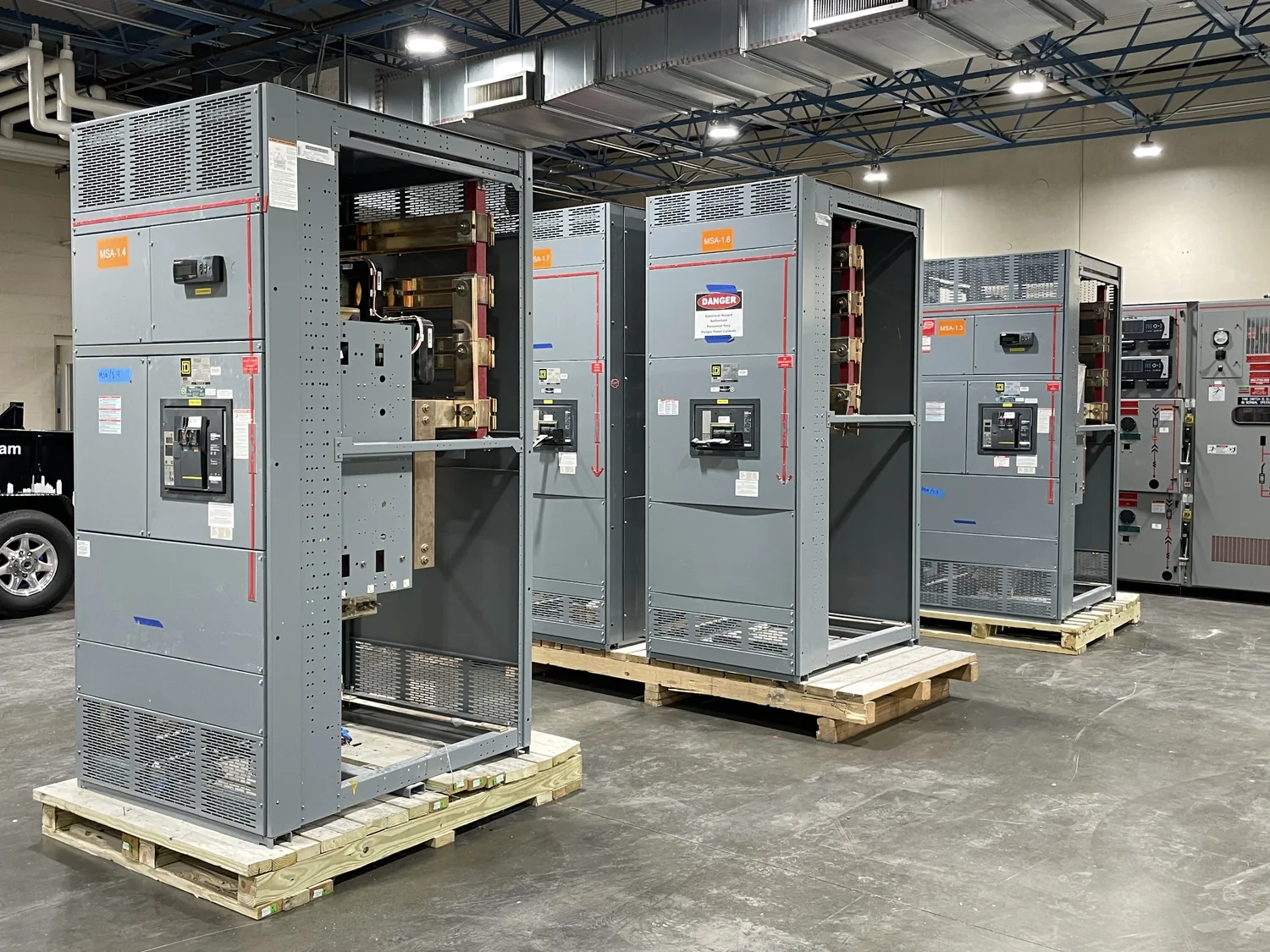
Manufacturing Plant Switchgear Decommissioning Buyer
When a manufacturing plant is closing, changing production, or clearing space for a different use, switchgear may be one part of a larger decommissioning and asset-disposition effort. A buyer serving Washington, DC, Northern Virginia, and Maryland can review switchgear for purchase and make a cash offer after assessing the equipment and proposed removal scope. The business buys equipment only; it does not sell replacement gear or provide electrical decommissioning services.
A useful first step is to share clear photographs, nameplate information, lineup dimensions, ownership details, and an overview of site access. Those details help the buyer understand what is being offered and identify questions that need to be resolved before an offer or removal plan is set. No seller testing is required. The buyer considers all voltage classes, but the specific equipment and its condition, completeness, and removal requirements still need review. An initial discussion is not a final price or a guarantee of purchase.
Prepare the Equipment Information
Photograph the switchgear lineup from the front and, where access permits, from the sides and rear. Include close, readable images of each available nameplate and labels that identify sections or compartments. A wide view can show how the lineup is arranged and whether connected equipment, cable, bus, protective barriers, or nearby plant assets may affect access. Do not remove covers or enter restricted areas to take pictures; follow site rules and use authorized personnel.
Provide approximate lineup length, height, and depth, along with the number of sections if known. Note visible ratings and configuration details shown on nameplates, without guessing at specifications that cannot be confirmed. Also describe whether the offering includes related components or only selected sections, and identify missing doors, covers, breakers, or other parts if known. Completeness can influence how the equipment is evaluated and whether it can be removed as a single lineup or requires a more detailed scope review.
Clarify who owns the equipment and who has authority to approve its sale. If ownership is shared, subject to a lease, or otherwise requires another party's consent, identify that early. The buyer may need confirmation that the seller can transfer the assets before proceeding. Helpful information also includes the plant's target decommissioning date, any required removal window, and whether other contractors or asset buyers will be working in the same area.
Coordinate Safe Disconnection and Site Access
Switchgear removal depends on project-specific electrical and site conditions. De-energization, isolation, and disconnect work must be completed by qualified personnel under the plant's safety procedures and outage plan. The seller should not ask unqualified staff to disconnect, dismantle, or handle electrical equipment. Coordinate the timing and boundaries of this work with the people responsible for the site's electrical systems, safety controls, and shutdown schedule.
Before setting a removal scope, explain how the buyer and its removal team can reach the equipment. Relevant details may include operating hours, security and check-in requirements, loading-dock or gate restrictions, interior travel distance, floor or ground conditions, overhead clearance, door dimensions, and whether equipment must pass through corridors or around other machinery. Note any nearby production lines, stored materials, active utilities, or other work that could limit movement. These facts help the parties assess access and sequence the work without assuming a particular facility layout.
The buyer handles crane, rigging, disconnects, loading, freight, and hauling, subject to project arrangements and site access. Responsibilities and timing must be confirmed before removal, including how qualified disconnect work is coordinated with the site's outage procedures. A crane or other lifting method should not be assumed in advance: the appropriate approach depends on equipment dimensions and weight information, the route out of the building, lifting access, and site constraints. The parties should agree on the removal boundary and any work that remains the seller's responsibility before a crew is scheduled.
Review the Offer and Removal Plan
Once the buyer has reviewed the available equipment information and project conditions, it can decide whether to make an offer. The offer may depend on the identified assets, their apparent completeness, ownership confirmation, access, and the feasibility and scope of removal. Clear photos and measurements help, but they do not replace review of material details or resolve unknown site conditions. If information changes—for example, the lineup differs from the photographs or access is more restricted than described—the parties may need to revisit scope and arrangements.
If an offer is accepted, payment is arranged upfront. The buyer pays the crane, rigging, loading, freight, and hauling costs, with the responsibilities and logistics confirmed before removal. Discuss the payment arrangement, expected timing, equipment included, access conditions, and removal plan directly so that both sides understand what has been agreed. Do not treat an estimate or preliminary conversation as a final price, and do not schedule work on the assumption that every project can be completed within a particular window.
The Washington, DC region includes sites across the District, Northern Virginia, and Maryland, and access arrangements can differ from one property to another. A plant's own security, outage, contractor-coordination, and scheduling requirements should guide planning; no particular facility conditions should be assumed. Sharing those requirements early gives the buyer a practical basis to assess the project and coordinate a proposed removal around the site's approved procedures.
Start with a Clear Project Summary
To begin a review, send the lineup photographs, readable nameplates, approximate dimensions, known ratings, and a concise description of what is included. Add the equipment location within the site, ownership or authorization status, the preferred schedule, access limitations, and any known removal constraints. If available, include approximate weight information or existing drawings, but do not delay an initial inquiry solely because a detail is not yet known; identify what remains unconfirmed.
A complete, candid summary helps the buyer decide what further information is needed before making an offer and planning removal. Keep site personnel responsible for electrical safety in control of de-energization, isolation, and disconnect work, and coordinate all access and timing through the site's designated process. With the assets and practical constraints clearly described, the parties can discuss a cash offer and confirm payment and removal responsibilities before the manufacturing plant's decommissioning work proceeds.