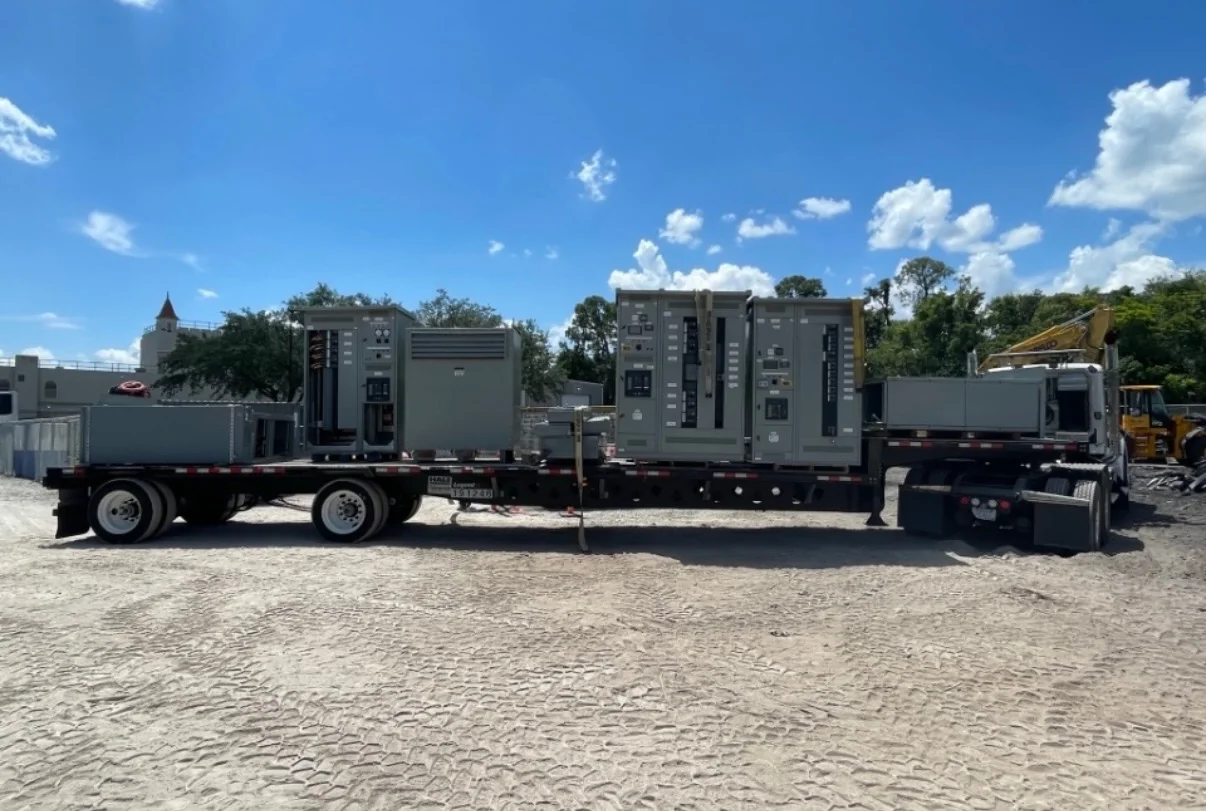
We Buy Used Switchgear in Fairfax, Virginia
If your business has used switchgear at a facility in Fairfax, Virginia, we can review it for purchase. We buy electrical equipment; we do not sell it. We consider switchgear across all voltage classes, and sellers do not need to test equipment before requesting a review. A cash offer may be available after we assess the equipment and the removal scope. If you accept the offer, payment is arranged upfront, with payment and removal responsibilities confirmed before work is scheduled.
A useful first step is to send clear photos, nameplate information, approximate lineup dimensions, and details about ownership and site access. Those details help us understand what is present and what a removal could involve. They do not establish a final price on their own: an offer depends on review of the equipment and project-specific logistics. We serve businesses in the Washington, DC, Northern Virginia, and Maryland area, coordinating each transaction around the location and conditions of the equipment rather than assuming a particular facility setup.
Information That Helps Us Review the Equipment
Photograph the complete lineup from several angles, including the front, sides, and any visible rear or cable-access areas where it is safe to do so. Include close, readable images of nameplates and labels on the relevant sections. Photos should show how sections connect, whether the lineup appears complete, and any visible damage, missing covers, or components. Do not open energized equipment or enter restricted areas to take pictures; follow site rules and use qualified personnel where access requires it.
Share available nameplate details and records such as manufacturer, model or catalog identifiers, ratings, and equipment configuration. We can consider all voltage classes, but accurate ratings and identifiers help us understand the specific equipment being offered. If nameplates are unreadable or inaccessible, say so rather than guessing. Include the approximate overall lineup length, height, and depth, plus the number of sections if known. Dimensions matter because they inform handling, staging, doorway and corridor clearance, and the route from the equipment location to a loading point.
Please also clarify whether the switchgear is being offered as a complete lineup or as selected sections, and identify any associated parts included in the sale. A list or photos of breakers, protective devices, control components, bus sections, or other included items can help establish completeness, without requiring the seller to test them. Confirm that the seller owns the equipment or is authorized to arrange its sale. If ownership is held by another entity or disposition approval is required, explain what authorization will be available before removal is planned.
Fairfax Access, Loading, and Route Planning
Removal planning depends on the actual site, not on an assumed Fairfax facility layout. Tell us where the switchgear is located within the building, how it can be moved to an exterior loading area, and whether the route includes narrow doors, turns, ramps, stairs, low-clearance areas, or other constraints. Approximate route dimensions and photos of relevant transitions can help identify questions to resolve before a crew or lifting equipment is scheduled. If the equipment is on an upper floor or in a restricted-access area, include that in the initial scope discussion.
Loading arrangements may also depend on available staging space, truck access, loading-dock rules, delivery or service-vehicle restrictions, and site-specific time windows. If a dock reservation, escort, advance notice, or coordination with building management is required, share the process and timing as early as possible. A constrained loading area or limited dock schedule can affect the sequence of work and the equipment needed, so dimensions, route details, and access conditions should be reviewed together rather than treated as separate details.
The buyer handles crane, rigging, loading, freight, and hauling, subject to project arrangements and site access. The buyer also handles disconnects as arranged for the project, but de-energization, isolation, and electrical disconnect work must be performed by qualified personnel under the facility’s safety procedures and outage requirements. The site and buyer should coordinate access, timing, and responsibilities in advance. No one should assume that equipment can be disconnected, moved, or loaded until the required approvals, safe-work steps, route, and removal plan have been confirmed.
Scope, Safety, and Scheduling Before Removal
Before setting a removal scope, we will need enough information to understand the equipment and the conditions around it. That includes the photos, nameplates, lineup dimensions, completeness, ownership status, and access details, along with any known removal constraints. If the site has specific outage windows, work-hour limits, access approvals, escort requirements, or loading-dock scheduling rules, share them during the review. The schedule is project-specific and should leave time to coordinate the facility’s procedures with the planned removal work.
Keep switchgear in place until the site has approved the work sequence and qualified personnel have handled required de-energization, isolation, and disconnects. The seller is not required to test the equipment as a condition of requesting an offer. However, sellers should not bypass site procedures or attempt electrical work or rigging themselves. If equipment condition, configuration, or access is uncertain, flag that uncertainty so it can be considered when planning the transaction and removal.
Payment terms and logistics should be confirmed before removal. We can make a cash offer after reviewing the equipment and project details; there is no guaranteed price before that review. When an offer is accepted, payment is arranged upfront. The buyer pays crane, rigging, loading, freight, and hauling costs, with the exact responsibilities and arrangements confirmed for the project before removal begins. This gives both sides a clear basis for coordinating the sale, site access, and schedule.
Request a Review for Your Fairfax Switchgear
To begin, send the equipment location in Fairfax, clear overview and nameplate photos, approximate lineup dimensions, and a description of what is included. Add ownership or authorization details, the route to the loading area, dock or vehicle-access rules, and any known limits on removal timing. If you have drawings, equipment schedules, or records that clarify the configuration, those may also help; do not delay an inquiry solely because a document is unavailable.
Once the details are reviewed, the next discussion can address the proposed scope, access requirements, removal responsibilities, and scheduling steps. The goal is to identify practical questions before equipment is moved: what is included, how it can safely leave the building, who must coordinate site access, and how payment and costs will be handled. For Fairfax-area sellers, clear information about the equipment and its route to loading helps make that review more useful—without assuming a particular facility, promising a price, or setting a removal date before the project is understood.