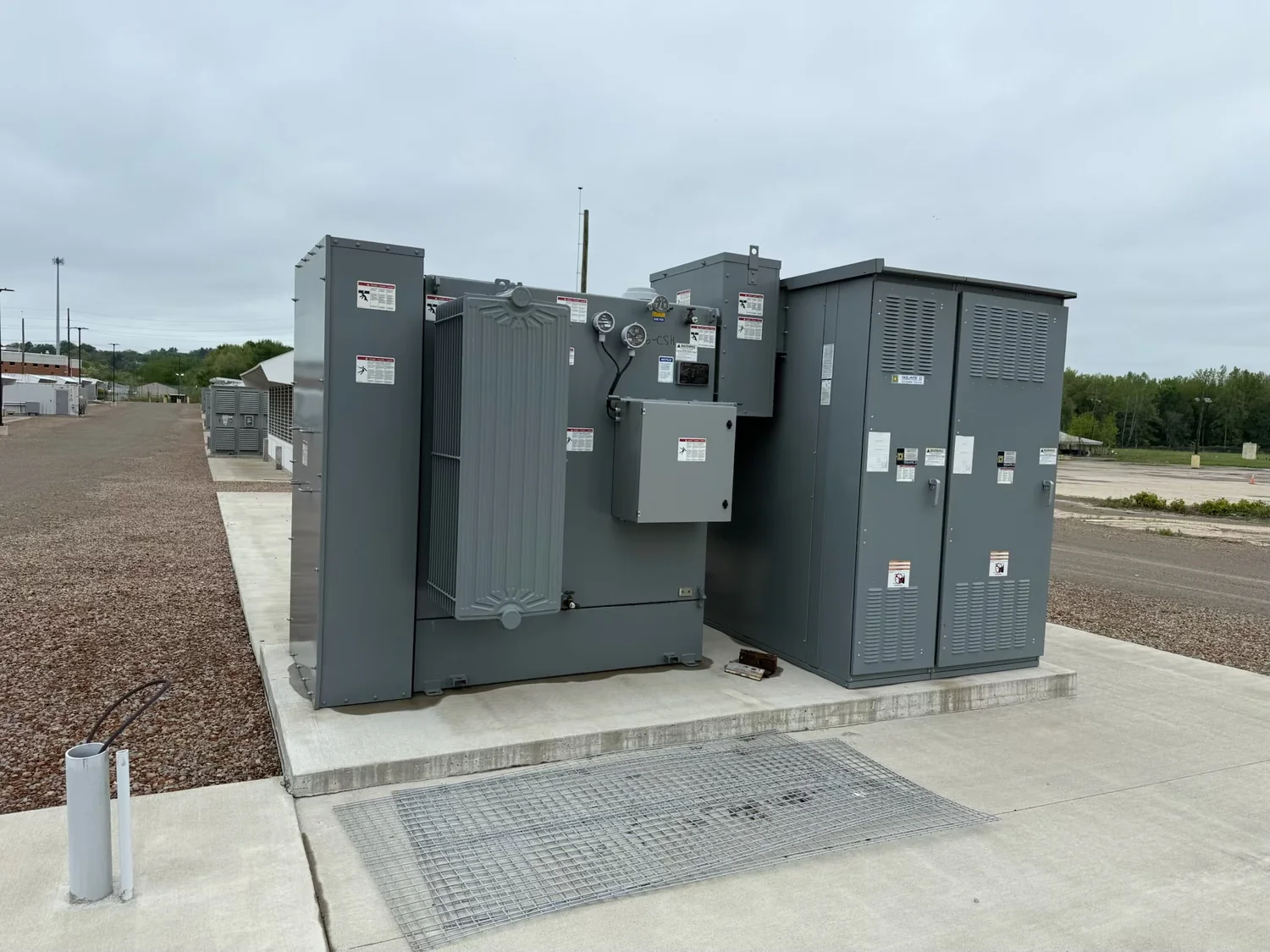
We Buy Used Switchgear in Anacostia
If your facility in Anacostia is planning a closeout, renovation, equipment upgrade, or other change in use, surplus switchgear may be an asset to evaluate before removal. We buy used switchgear and can make a cash offer after reviewing the equipment and the proposed removal scope. We pay upfront when an offer is accepted; the seller does not need to test the equipment before submitting it for review.
This is a purchase service, not a sales listing. We consider switchgear across all voltage classes, but the equipment’s condition, configuration, completeness, ownership, and removal requirements affect whether it is a fit and what offer may be appropriate. No final price can be established from a brief description alone. Clear information up front helps determine whether the asset can be reviewed and how payment and removal might fit your facility’s schedule.
Start With Photos, Nameplates, and Lineup Dimensions
Send clear, well-lit photographs of the overall switchgear lineup, its front and accessible sides, and any visible sections or components relevant to the proposed sale. Include close-up images of each available nameplate and readable labels. Nameplates can help identify the equipment and its ratings; do not guess at missing details or rely on a model description when a photograph is available. We consider all voltage classes, so share the listed ratings as shown rather than assuming a particular class is eligible.
Provide approximate lineup dimensions, including length, height, and depth where available. Note the number of sections and whether the lineup is installed, stored, or partly dismantled. Photos of the surrounding area, access route, doorways, loading area, and any overhead or floor constraints can help identify removal questions early. If some information cannot be confirmed without entering a controlled area or interrupting operations, say so; do not put staff at risk or disturb equipment simply to gather a photograph.
Describe what is included and what is not. Mention whether doors, internal components, accessories, or associated sections are present, and identify any missing, separated, or visibly damaged items. Completeness can affect review and removal planning. The seller is not required to test the switchgear. Any condition information should be limited to what your qualified staff can safely and accurately observe under site procedures.
Confirm Ownership, Asset Release, and Site Access
Before an offer is finalized, identify who owns the equipment and who has authority to approve its sale and release. If the switchgear is part of a landlord’s property, a tenant’s assets, a contractor’s inventory, or a larger facility closeout, clarify the responsible decision-maker and any internal asset-disposition steps. These details help avoid scheduling removal before the equipment is authorized for release.
For an Anacostia facility, access planning should be based on the actual site rather than assumptions about the neighborhood or building. Share the proposed pickup location, available entry and loading routes, access hours, scheduling restrictions, and any escort, badging, or coordination requirements that apply. Also flag stairs, narrow openings, limited staging space, height restrictions, or other constraints that could affect equipment movement. Site access and timing must be reviewed for the specific project before removal arrangements are set.
A closeout can involve several parties: the owner or asset manager, facility operations, qualified electrical personnel, and the people coordinating loading access. Agree on who can authorize release, who can confirm the equipment is ready, and who can grant access on the scheduled date. That coordination can help keep asset disposition separate from ongoing work elsewhere in the facility.
Coordinate Safe Disconnection and Removal
Any de-energization, isolation, and disconnect work must be performed by qualified personnel under the site’s safety requirements and outage procedures. Do not ask unqualified staff or a hauling crew to disconnect, open, or handle electrical equipment. The site’s qualified personnel should determine when the equipment can be made safe and disconnected, and the necessary outage timing must be coordinated with facility operations before a removal date is confirmed.
The buyer handles crane, rigging, disconnects, loading, freight, and hauling, subject to the project arrangement and actual site access. Responsibilities, timing, and any work that must be completed by the facility or its qualified personnel should be confirmed before removal. Share information about the equipment’s position, available lifting or rigging access, route to the loading area, and any restrictions on staging or vehicle access. Do not assume specialized lifting equipment or a particular route can be used until the site and removal plan have been reviewed.
The removal plan should account for the switchgear’s dimensions and configuration, the path from its installed position to the loading point, and the facility’s operating requirements. If the asset is close to active equipment, shared spaces, or an occupied work area, identify that early so access and scheduling can be considered. The buyer pays the crane, rigging, loading, freight, and hauling costs, with the project responsibilities confirmed before removal.
Arrange the Offer and Payment Around Your Closeout
To begin, send the photos, available nameplate information, lineup dimensions, an inventory of included sections or components, ownership and release details, and a practical description of access and removal constraints. Include your target closeout or pickup window and note any operational limits on outages, working hours, or loading. This gives the buyer a basis to review both the equipment and the logistics without treating a tentative date as a commitment.
If an offer is accepted, payment is arranged upfront before removal proceeds. Coordinate the payment and asset-release steps with the person authorized to approve the sale, then confirm the removal schedule, site access, and responsibilities. A clear sequence—review, offer, acceptance, upfront payment, readiness confirmation, and coordinated loading—can help an owner plan disposition while keeping other facility activities moving.
Offers depend on review of the specific switchgear and project requirements, so submitting details does not guarantee an offer or a particular price. If information is incomplete, the next step may be to clarify what is included, resolve ownership or access questions, or review additional photographs. For facilities in Anacostia and the wider Washington, DC, Northern Virginia, and Maryland service area, careful coordination of asset release, payment, qualified disconnection, and loading is the practical foundation for a planned removal.