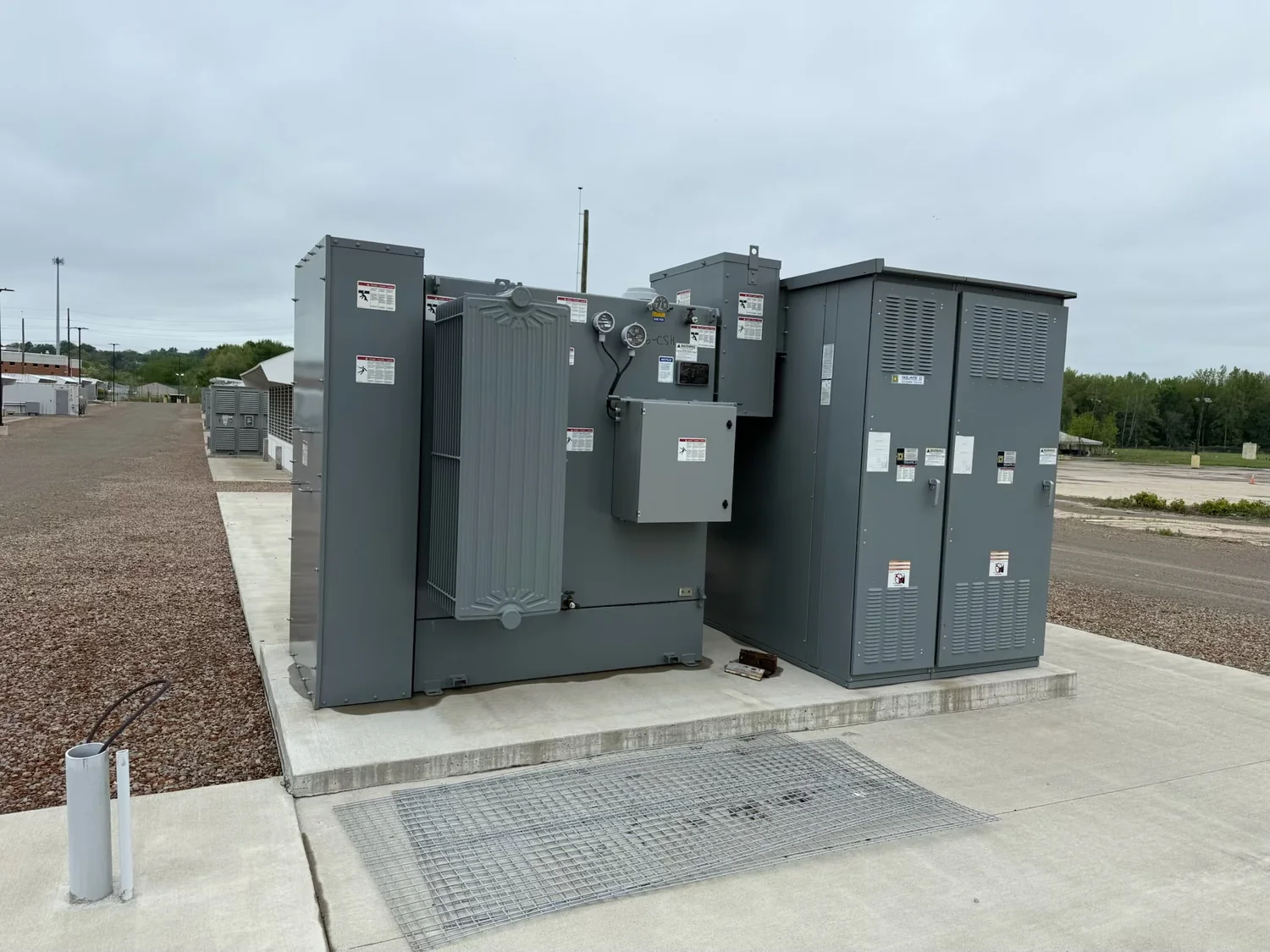
Sell Used Fused Switches in the Washington, DC Region
If your commercial, institutional, or industrial site has surplus fused switches, you can request a purchase offer for the equipment. The buyer purchases used electrical equipment only; it does not sell equipment. This guide is for sellers in Washington, DC, Northern Virginia, and Maryland who are planning an equipment disposition and want to understand what information helps define the scope before removal.
Start with a clear inventory of the fused switches you want considered. A lineup may include units with different ratings, configurations, conditions, or completeness, so describe each one as accurately as you can. The buyer considers all voltage classes, and sellers are not required to test equipment. A review of the available details is still necessary before an offer can be made; no final price should be assumed from a brief description alone.
Prepare Photos, Nameplates, and Lineup Details
Clear photographs are among the most useful first steps. Provide overall views showing the fused switches in place, plus closer images of nameplates, visible ratings, operating mechanisms, fuse compartments, doors, and any obvious damage or missing components. Keep images focused and legible, and do not remove covers or approach energized equipment to obtain them. If safe access for photography is uncertain, coordinate with the facility’s qualified personnel.
Nameplate information can help identify the equipment and distinguish one unit from another. Share the manufacturer and model information shown, where legible, along with voltage and current ratings and any other marked ratings or identifiers. Do not infer missing specifications from appearance. If a plate is unreadable or absent, note that rather than guessing. No seller testing is required, and the initial review can use the information and images available without asking the seller to energize or operate the equipment.
Include approximate lineup dimensions, the number of sections or switches, and any known information about how the equipment is arranged. Dimensions help assess whether the assembly can be moved through doors, corridors, loading areas, or other parts of the site. Note whether the switches are freestanding or part of a larger lineup, whether sections appear connected, and whether associated components are included. A complete, well-described inventory supports a more useful scope review, but missing parts or uncertain condition do not replace the need for individual evaluation.
Confirm Ownership, Site Access, and Removal Constraints
Before arranging a sale, confirm that you have authority to transfer the equipment. If the assets belong to a landlord, tenant, owner, lender, or another party, establish who can approve the disposition and who will coordinate the transaction. For multi-tenant buildings and managed facilities, identify the appropriate site contact and any internal approval steps that could affect scheduling. Clear ownership and authorization help prevent delays after the equipment has been reviewed.
Access details are particularly important for projects in the DC region, where the practical route from equipment location to pickup point can vary significantly by facility. Describe the site and equipment location without assuming that a truck or crane can reach the loading area. Flag restricted delivery windows, security check-in, loading-dock rules, parking or staging limits, elevator or corridor restrictions, overhead obstacles, stairs, narrow turns, and other known access conditions. Share approximate distances from the equipment to the removal point and identify any building coordination or escort requirements that may apply.
Explain what is known about removal constraints before the scope is set. These may include the size and weight information available, whether the equipment is installed in a tight electrical room, whether it is mounted or secured to a structure, and whether adjacent equipment must remain in service or undisturbed. Do not attempt to move, open, disconnect, or prepare electrical equipment unless you are qualified and authorized to do so. De-energization, isolation, and disconnect work must be handled by qualified personnel under the site’s safety rules and outage procedures. Coordinate timing and access with the facility team; the buyer and seller should confirm responsibilities and project arrangements before removal.
Plan the Pickup and Confirm Responsibilities
For an accepted offer, payment is arranged upfront. The buyer also handles the crane, rigging, disconnects, loading, freight, and hauling, subject to project arrangements and site access. Confirm the precise scope and responsibilities before removal so that the parties share an understanding of what work is included, how access will be provided, and what timing the facility can accommodate. Site-specific arrangements may affect the removal plan; the initial description is not a substitute for confirming those details.
Electrical disconnects require particular care. The seller should not have unqualified staff perform electrical work, and the buyer’s handling of disconnects does not remove the need to follow the site’s required safety and outage procedures. The timing of de-energization, isolation, access to the equipment, and any work near operating systems must be coordinated with qualified personnel. Do not treat a pickup date as confirmed until the required site coordination and removal plan have been discussed.
Crane and rigging needs depend on the equipment, its location, the path out of the building, and available staging or loading areas. Provide relevant photos and dimensions where available, and call out limits on equipment access or vehicle placement. The buyer handles crane, rigging, loading, freight, and hauling, but the project plan remains subject to site access and agreed arrangements. Confirm these responsibilities before work begins rather than relying on assumptions based on a typical pickup.
Request an Offer for Your Fused Switches
To begin, share the location within Washington, DC, Northern Virginia, or Maryland, the quantity of fused switches, clear equipment and nameplate photos, available lineup dimensions, and the ratings that can be read. Include known completeness or missing components, the condition as observed without testing, ownership or sale authorization, access contacts, scheduling constraints, and removal limitations. If information is unknown, say so; accurate uncertainty is more helpful than an unsupported estimate.
The buyer reviews the details to determine whether it can make an offer and what project arrangements may be needed. Any offer is subject to review of the equipment and the scope, so a particular price, pickup date, or removal method cannot be guaranteed in advance. If an offer is accepted, payment is arranged upfront, and the buyer handles the stated removal logistics subject to confirmed responsibilities, timing, and access. Providing a careful inventory at the start helps the parties discuss the equipment and plan a practical next step without requiring seller testing or unsafe preparation.