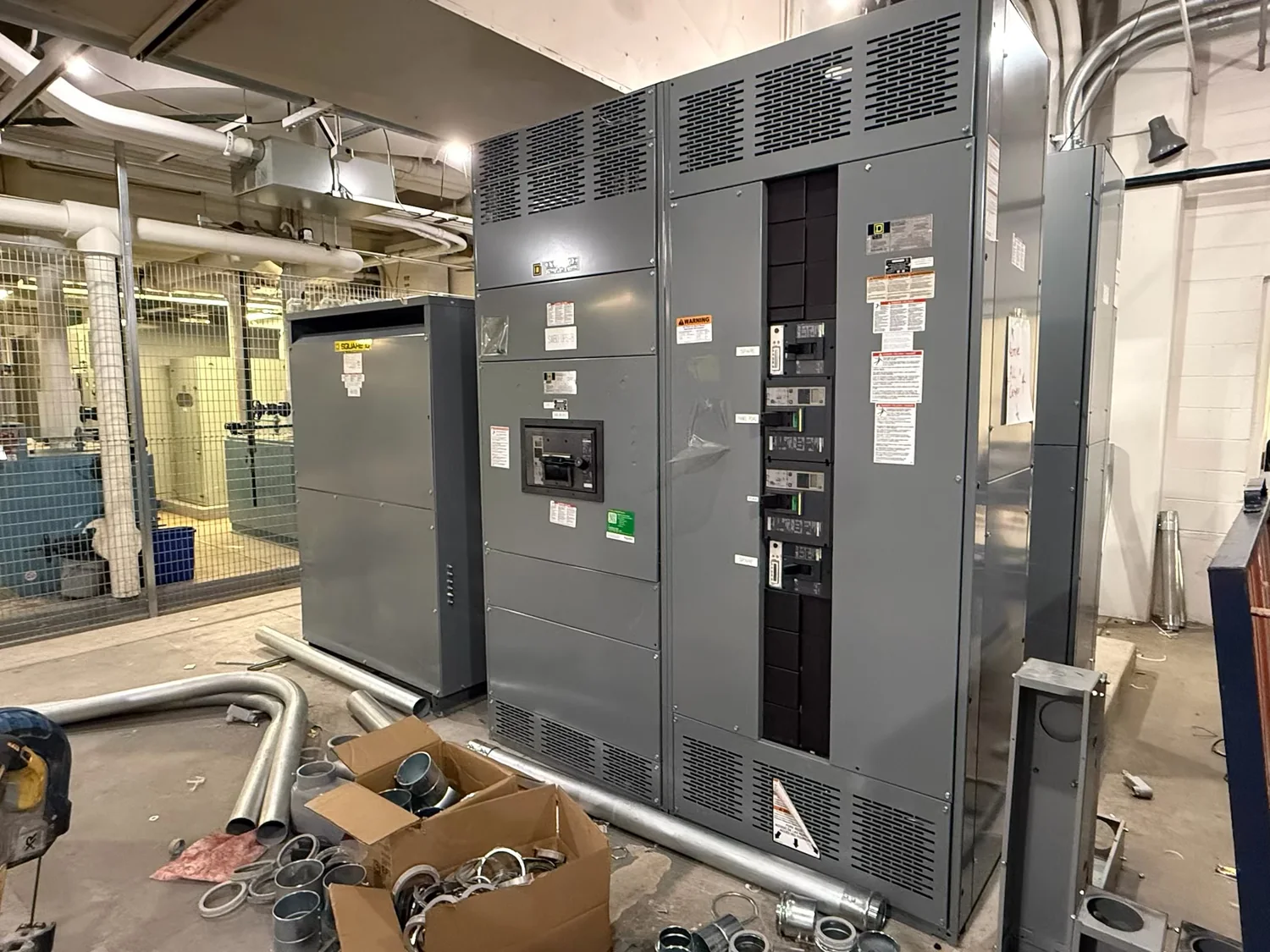
Fused Switches Removal Planning for DC-Area Sellers
Planning to sell a fused switch or a group of switches in the Washington, DC region? A clear description of the equipment and the site conditions helps a buyer review the opportunity before anyone sets a removal scope. This guide is for businesses and facilities in Washington, DC, Northern Virginia, and Maryland considering an equipment sale. The buyer purchases equipment only; it does not sell fused switches.
A buyer can consider fused switches across all voltage classes. No testing is required from the seller, and the seller should not arrange testing solely to start a purchase review. An offer depends on review of the equipment details, condition information, completeness, ownership, and practical removal requirements. There is no reliable final price based only on the equipment category, so provide the information available and allow time for the buyer to assess the specific lot.
Start With Photos, Nameplates, and Lineup Dimensions
Send clear, well-lit photos showing each switch from the front and sides, along with wider views that show how it fits into its lineup or room. Close-up images of visible nameplates and labels help identify the equipment for review. Photograph any accessories, operating handles, doors, barriers, fuses, or other components included in the proposed sale, where they can be documented safely. Do not remove covers or approach energized equipment to obtain a picture; follow site rules and use qualified personnel where access requires it.
Include the available nameplate information rather than guessing at ratings or specifications. Depending on the equipment and what is visible, useful details may include manufacturer, model or catalog designation, electrical ratings, and other identifying marks. The buyer considers all voltage classes, but the nameplate and photographs help establish what is actually being offered. If information is missing, unreadable, or inaccessible, say so rather than filling in the gaps.
Provide approximate dimensions for each unit and, when switches are part of a lineup, the lineup’s overall length, height, and depth. Note whether measurements include doors, attachments, or projecting parts, and identify any unusually large or heavy sections if known. These details help the buyer consider staging, rigging, route clearance, and hauling needs. Dimensions are planning information, not a substitute for a site review when project conditions call for one.
Confirm Ownership, Completeness, and Scope
Explain who owns the equipment and who has authority to offer it for sale. If the switches are part of a larger facility asset disposition, identify which units are included and which are excluded. A simple equipment list tied to photographs can reduce confusion, especially when multiple similar units are installed together. Mention whether the proposed sale includes only the fused switches or also related lineup sections and accessories; do not assume connected or adjacent equipment is included.
Describe what is known about completeness and condition, including missing parts, visible damage, corrosion, modifications, or components that have already been removed. This is not a request for seller-performed testing. The buyer can review the information provided and ask follow-up questions before making an offer. Clear disclosure supports a practical review and helps both parties define the equipment and work included in the project.
For a DC-area site, access and scheduling can be just as important as the equipment description. Share the site’s general location, available access windows, loading-area constraints, and any known limits on truck entry, staging, lifts, or equipment movement. Mention access controls, escort requirements, building rules, operating-hour restrictions, and coordination with other contractors if they apply. These are project details to confirm, not assumptions about any particular facility or municipality.
Plan Disconnection and Removal Safely
Any de-energization, isolation, and disconnection must be handled by qualified personnel under the site’s safety requirements and outage procedures. Do not ask unqualified staff to disconnect, dismantle, or handle electrical equipment. The seller and site team should coordinate the required outage, work sequence, access, and timing with the people responsible for the electrical system. The buyer’s purchase review does not replace the facility’s safety process or authorize work on energized equipment.
Before removal is scheduled, clarify what the site team will prepare and what the buyer will perform. Subject to the project arrangements and site access, the buyer handles crane, rigging, disconnects, loading, freight, and hauling. Confirm responsibilities before work begins, including any site-specific prerequisites, access arrangements, timing, and the planned removal path. The buyer pays the crane, rigging, loading, freight, and hauling costs; the precise scope and coordination should be agreed for the project rather than left implicit.
Removal planning may depend on whether a switch is freestanding or installed in a lineup, how it is secured, the available working clearance, overhead obstructions, doorway or corridor dimensions, floor or loading access, and the distance to the pickup point. Share known constraints and photographs of the route where practical. If the unit cannot be moved as one piece or if other equipment must remain in place, flag that early. The buyer can then evaluate the logistics and confirm the responsibilities and removal approach with the seller before setting a schedule.
Request an Offer and Coordinate the Schedule
To begin a purchase review, send the equipment photos, nameplate images, approximate unit and lineup dimensions, equipment list, ownership confirmation, and a concise description of access and removal constraints. Include a contact who can answer questions and coordinate with the site team. If the equipment is in service, state that clearly and provide the process and timing for arranging a safe outage; do not promise access or removal dates until the responsible parties have confirmed them.
The buyer can make a cash offer after reviewing the available information and the project requirements. If the seller accepts the offer, payment is arranged upfront. The offer and payment arrangement should be confirmed with the buyer before removal is scheduled, along with the equipment included, access plan, timing, and division of project responsibilities. A review may require additional information, and no offer should be treated as final until the specific equipment and scope have been considered.
Careful preparation makes a purchase discussion more straightforward without requiring the seller to test the switches or take on unsafe electrical work. Document what is visible, state what is unknown, confirm authority to sell, and coordinate site access and qualified disconnection through the facility’s procedures. With those basics in hand, the buyer can evaluate the fused switches and plan a practical removal arrangement for the Washington, DC, Northern Virginia, or Maryland location.