Utility Substation Switchgear Decommissioning Buyer
When a utility substation is being decommissioned or reconfigured, switchgear disposition is one part of a larger, tightly coordinated project. The equipment may be included in a planned removal, an outage-related scope, a site transition, or a broader asset review. A buyer can consider switchgear from all voltage classes, but the equipment and removal plan need to be reviewed before scope or value can be determined.
For sellers in Washington, DC, Northern Virginia, and Maryland, the practical starting point is clear information about the equipment, ownership, site conditions, and schedule. This page is for businesses and asset owners looking for a buyer—not a source for replacement equipment. We buy eligible switchgear, can make a cash offer after review, and arrange payment upfront when an offer is accepted. Sellers are not required to test equipment for an initial review.
Build a useful equipment record before setting scope
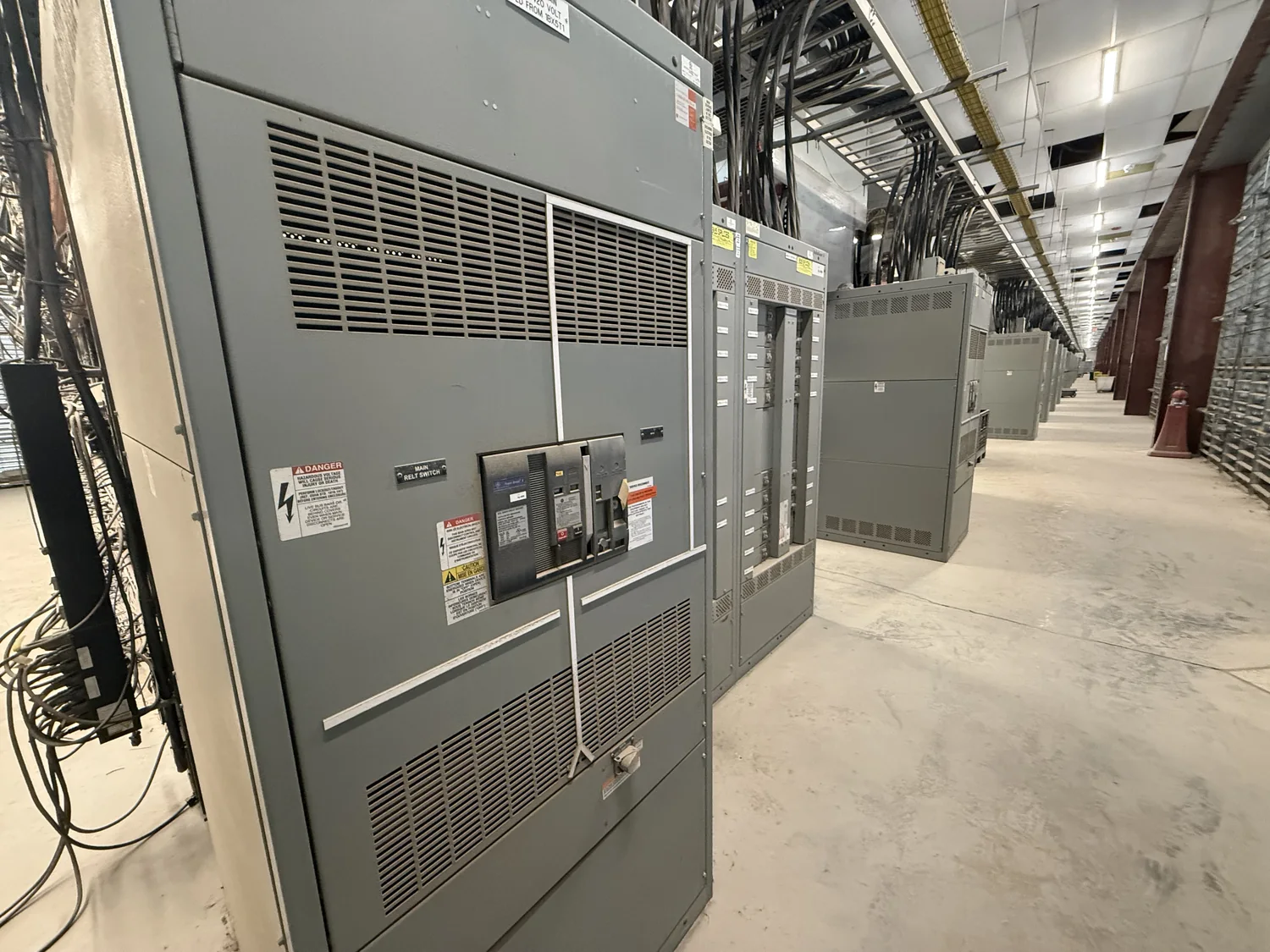
Send clear, well-lit photographs of each lineup and its visible sections, along with close-ups of all accessible nameplates. Include overall views from more than one angle, equipment labels, compartment or section identifiers, and any visible accessories or components that are part of the disposition. Do not remove covers or enter restricted areas to obtain photographs; site rules and personnel qualifications come first.
Nameplate details and available equipment records help identify what is being considered without relying on assumptions about manufacturer, configuration, or voltage. Provide lineup dimensions, including approximate length, height, and depth, and note whether dimensions include protrusions or attached components. If there are multiple lineups or equipment groups, label the photos and dimensions so they can be matched to the correct assets. Drawings, schedules, or inventory lists may also help explain what is included, but a seller does not need to create new technical documentation just to begin a conversation.
Describe completeness as accurately as possible. Note whether the offer would cover a full lineup, selected sections, or equipment with components already removed, and identify known missing parts or items that will remain at the site. Do not represent condition or completeness as verified if it has not been inspected. No seller testing is required; the buyer reviews the information provided and may ask follow-up questions before making an offer. A final price is not available from the topic or location alone and depends on the equipment and project details.
Confirm ownership, authority, and site access
Before an offer is finalized, clarify who owns the switchgear and who is authorized to approve its sale and release. In utility or multi-party projects, the owner, operator, contractor, and decommissioning team may have different responsibilities. Identify the appropriate decision-maker and any required coordination steps, while avoiding disclosure of sensitive site information beyond what is needed to review the proposed disposition.
Access details can affect whether equipment can be removed and how the work must be scheduled. Explain the site’s general access conditions, such as gate or escort requirements, delivery or work-hour windows, loading-area restrictions, and any known limits on vehicle or lifting-equipment access. Share only information you are authorized to provide. The buyer and seller should confirm the removal area, route, staging options, and access arrangements before work is planned; site conditions should not be assumed from a street address or regional location.
Washington, DC, Northern Virginia, and Maryland projects may involve different site rules and coordination needs, so the removal plan should be based on the actual facility and project schedule. No local office or particular facility capability is implied. The seller should identify the relevant site contact and communicate any access approval process early enough for the parties to coordinate a workable removal window.
Coordinate de-energization, removal, and project timing
Switchgear must not be disconnected or handled by unqualified personnel. De-energization, isolation, and disconnect work must be performed by qualified personnel under the site’s safety requirements and outage procedures. The buyer’s purchase does not replace the owner’s or site operator’s responsibilities for electrical safety, authorization, or outage coordination. Agree on who performs and approves each step before removal, and coordinate timing with the people responsible for the facility.
The buyer handles crane, rigging, disconnects, loading, freight, and hauling, subject to project arrangements and site access. The parties should confirm responsibilities and sequencing before removal, including how the buyer’s crew and equipment will access the work area and when the equipment will be released for loading. Because disconnect work must be completed by qualified personnel under site procedures, the required coordination and timing should be made explicit in the project plan rather than treated as an informal handoff.
Removal constraints may include limited laydown space, restricted lifting paths, overhead or doorway clearances, nearby operating equipment, controlled access, and limits on when work can occur. These are questions for project-specific review, not assumptions to resolve from photos alone. Provide known constraints and flag unresolved ones. If access, lifting, or disconnection conditions change, pause and coordinate the revised plan with the appropriate site contacts before proceeding.
Review the offer and confirm payment and responsibilities
Once the buyer has reviewed the photos, nameplates, lineup dimensions, ownership and access details, and known removal constraints, the parties can discuss a project-specific offer and scope. The review may include follow-up questions where information is incomplete or where the proposed equipment group or removal plan is unclear. An offer is not guaranteed, and neither a final value nor a removal date should be assumed before the details are reviewed and agreed.
The buyer can make a cash offer. If the offer is accepted, payment is arranged upfront; confirm the payment arrangement and timing as part of acceptance before removal is scheduled. The buyer pays the crane, rigging, loading, freight, and hauling costs, with responsibilities confirmed before removal. The buyer also handles disconnects as arranged for the project, while all electrical de-energization, isolation, and disconnect work remains subject to qualified personnel and the site’s safety and outage procedures.
A clear record of what is included, what remains, who authorizes release, how site access will work, and which party is responsible for each removal step helps prevent avoidable delays. For a utility substation decommissioning project in the DC region, begin with accurate equipment information and an early conversation about schedule and site conditions. That gives the buyer a practical basis to review the switchgear and lets the project team align disposition with the facility’s approved work plan.