Switchgear Site Contact Checklist for the Washington, DC Region
A switchgear inquiry is easier to assess when the person coordinating the sale can connect equipment details with the facility’s access, ownership, and scheduling requirements. This checklist is for sellers in Washington, DC, Northern Virginia, and Maryland who want to discuss a switchgear asset disposition. The buyer purchases equipment only; it does not sell switchgear. It can consider equipment across all voltage classes, and sellers do not need to test equipment before submitting it for review.
Before setting a scope, gather clear photos, nameplate information, approximate lineup dimensions, ownership details, and a practical site contact. Those details help determine what equipment is being offered and what removal arrangements may be needed. A preliminary discussion is not a final offer: the equipment and project details must be reviewed before pricing or removal responsibilities are settled. If an offer is accepted, payment is arranged upfront, with timing and transaction details confirmed for the project.
Choose a Site Contact Who Can Coordinate the Details
The site contact should be able to identify the equipment, explain how the seller is authorized to dispose of it, and coordinate questions with the people responsible for facility access and electrical work. This may be an asset manager, facilities representative, contractor, or another person authorized by the owner. If several parties are involved, identify who can approve the sale, who can arrange access, and who will coordinate the removal window.
Confirm the seller’s ownership or authority to sell before scheduling removal. If the equipment is owned by a landlord, tenant, utility, contractor, or other organization, clarify who has disposition authority and whether any internal approvals or release documents are needed. Provide the site contact’s name, preferred method of communication, general location, and any scheduling constraints relevant to a site visit or removal. Do not send sensitive access codes or security details in an initial inquiry; those can be coordinated through an appropriate process if needed.
Prepare Photos, Nameplates, and Lineup Measurements
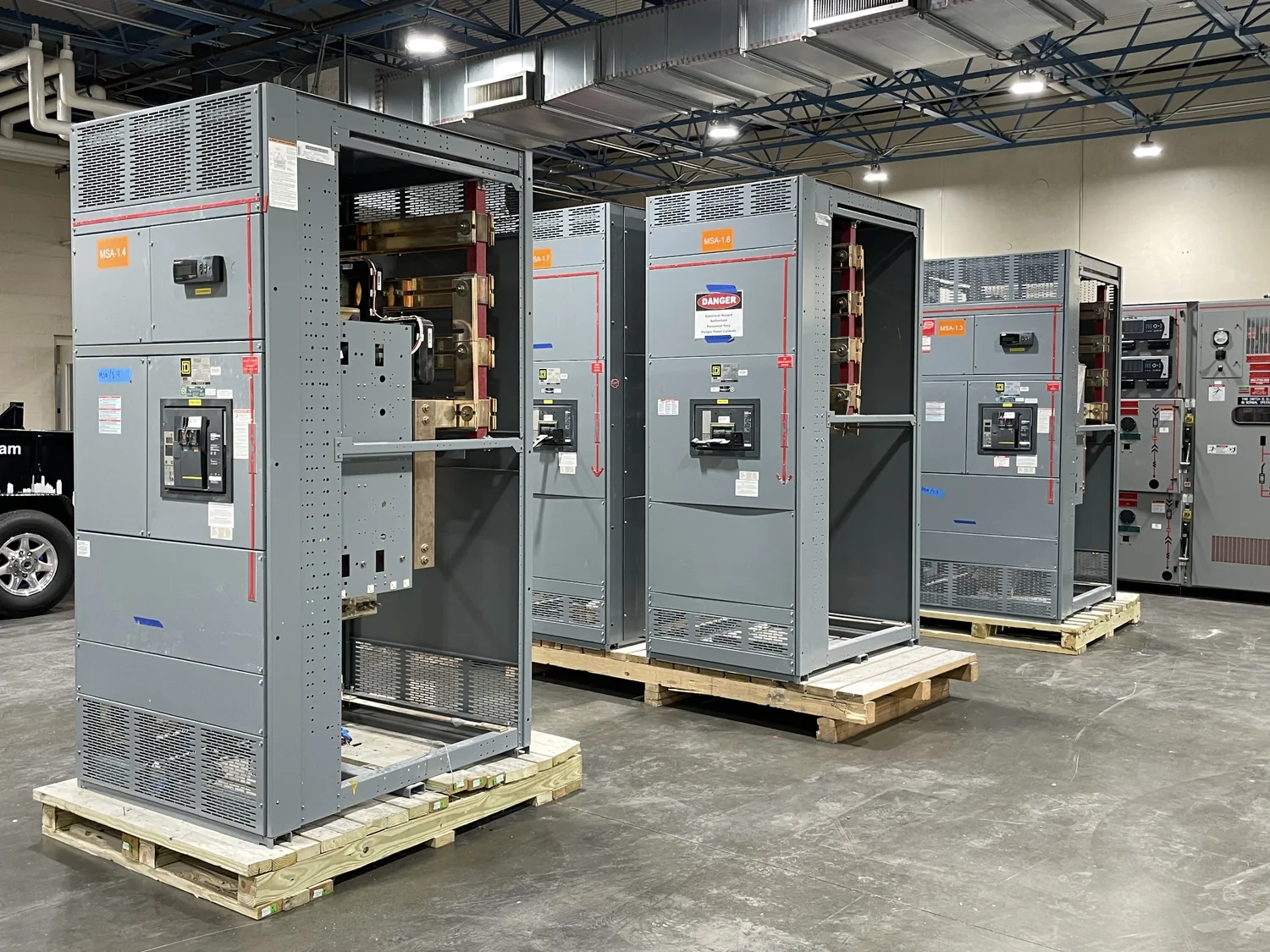
Take clear, well-lit photos that show the overall lineup and its condition, along with closer views of each accessible nameplate. Include enough context to distinguish sections and identify how the equipment is arranged. Nameplate information can help describe the switchgear, but the seller should not remove covers or enter restricted areas to obtain it. If a label is obscured or unreadable, note that rather than guessing. No seller testing is required for an initial review.
Share approximate overall dimensions, including lineup length, height, and depth where available. Note whether the equipment appears to be one connected lineup or separate sections, and identify visible accessories or components that are included in the proposed sale. Mention missing doors, sections, breakers, controls, or other parts if known, as completeness can affect review and removal planning. Photos and stated dimensions are helpful planning information, not a substitute for a site-specific assessment; do not rely on them alone to establish lifting points, weight, or a removal method. The buyer will review the information before making an offer or confirming scope.
Explain Access, Disconnection, and Removal Constraints
Describe the route from the equipment to the loading area. Useful details include door and corridor clearances, stairs or level changes, elevator restrictions, overhead obstructions, loading-dock availability, parking or staging limits, and any site rules that affect vehicles or lifting equipment. For Washington, DC, Northern Virginia, and Maryland projects, access and scheduling vary by facility, so share known restrictions instead of assuming a particular crane setup or removal window will work. Where access is uncertain, flag it early so the parties can coordinate a review before committing to logistics.
All de-energization, isolation, and disconnect work must be handled by qualified personnel under the site’s safety procedures and outage requirements. Do not ask unqualified staff to open, disconnect, move, or handle electrical equipment. The timing and scope of that work must be coordinated with the facility and qualified personnel; the buyer does not replace the site’s electrical-safety process. Identify who will manage the required site coordination, what outage or access windows may be available, and whether other work must occur before equipment can be removed.
Confirm Responsibilities Before Removal Is Scheduled
The buyer handles the removal logistics and costs for crane service, rigging, disconnects, loading, freight, and hauling, subject to project arrangements and site access. Confirm responsibilities, timing, access requirements, and any site-specific conditions before removal is scheduled. This coordination matters because a buyer’s responsibility for arranging and paying these services does not eliminate the need for qualified electrical work or facility approval. The site contact should explain any restrictions that could affect equipment separation, lifting, loading, or departure from the property.
A useful first inquiry includes the equipment photos and nameplates, approximate lineup dimensions, what components are included, the seller’s ownership authority, the site contact, and a summary of access and scheduling constraints. Share known removal limitations, such as narrow routes, limited staging, restricted work hours, or required coordination with facility operations. The buyer can review those details, discuss a cash offer, and confirm project arrangements before anything is scheduled. An offer is not guaranteed, and no final price should be assumed until the equipment and relevant logistics have been reviewed.