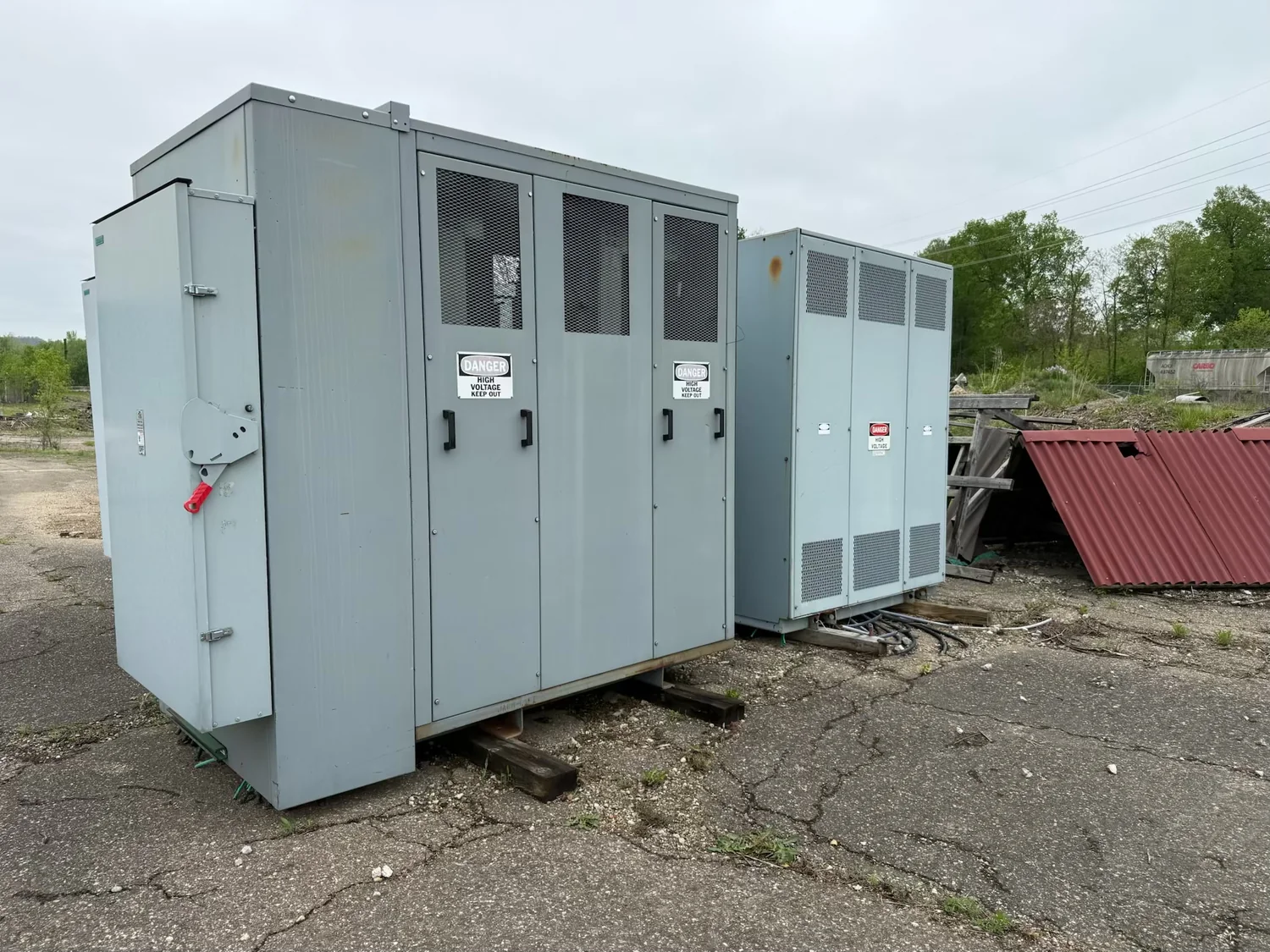
Plan switchgear disposition early in a campus closure
A government campus closure or major changeout can involve more than removing equipment from a room. Switchgear may need to remain in place until a defined outage window, coordinate with building turnover or renovation work, and leave the electrical space and surrounding route ready for the next phase. Starting disposition planning early gives the owner, facilities team, project manager, and buyer time to establish what equipment is included, who can authorize its transfer, and how removal fits the site schedule.
This buyer serves Washington, DC, Northern Virginia, and Maryland. Campus access, security procedures, escort requirements, work-hour limits, and delivery or removal windows vary by site, so they should be confirmed directly with the facility rather than assumed. Share known scheduling constraints and access rules when requesting a review. The buyer can make a cash offer for eligible equipment; if the offer is accepted, payment is arranged upfront. The buyer buys equipment only and does not sell switchgear.
Identify the equipment before setting scope
Send clear, well-lit photos of the switchgear lineup, including the overall assembly, individual sections, visible labels, and any accessories or separate components included in the proposed disposition. Close-up photos of legible nameplates help identify the equipment for review. If labels are worn, obstructed, or missing, note that and provide any available records; do not guess at ratings or specifications. The buyer considers all voltage classes, but the equipment still needs to be reviewed before an offer or removal scope can be established.
Include lineup dimensions, such as overall length, height, and depth, and indicate whether the measurements include protruding doors, bus enclosures, or attached sections. A floor plan, equipment-room layout, or marked-up photo can help explain the lineup’s position and the route to an exit. Describe what is complete or missing, including known separately stored parts, barriers, or associated components. Completeness and condition may affect the review, but the seller is not required to test the equipment. Avoid opening enclosures or approaching exposed electrical parts to obtain information; use existing records or photos taken from a safe location.
Confirm ownership, authorization, and site access
Before scope is set, clarify who owns the switchgear and who has authority to approve its sale and removal. A government campus may involve a property owner, agency, facilities contractor, construction manager, or other responsible party; the appropriate authorization process is specific to the project. Provide the buyer with the relevant point of contact and explain any internal asset-disposition, documentation, or approval steps that must be completed before equipment can leave the site. Do not assume that the person coordinating access can authorize a sale.
Describe how the buyer and removal crew would reach the equipment: building entry and exit points, loading areas, stairs or elevators, corridor turns, overhead limits, floor or access restrictions, and any controlled gates or checkpoints that apply. Share escort needs, check-in procedures, permitted work hours, and scheduling lead time as known. These details are especially useful for planning across the DC region, where site-specific security and traffic arrangements may shape the available work window. They are planning questions, not assumptions about a particular campus.
Coordinate safe shutdown and removal logistics
Any de-energization, isolation, and disconnect work must be performed by qualified personnel under the site’s safety requirements and outage procedures. The seller should not ask unqualified staff to disconnect, dismantle, or handle electrical equipment. Coordinate the responsible electrical team, required approvals, outage timing, and the condition in which equipment will be released before a removal date is set. No seller testing is required for the buyer’s review.
The buyer handles crane, rigging, disconnects, loading, freight, and hauling, subject to the project arrangements and actual site access. The buyer pays the crane, rigging, loading, freight, and hauling costs, with responsibilities confirmed before removal. Discuss how the equipment will be separated from connected systems, what removal boundary is intended, and whether site personnel must complete any work or approvals before the buyer’s crew can proceed. Confirm lift paths, staging space, truck access, equipment-room clearances, and any restrictions on using a loading dock or exterior route. These details help determine whether the proposed schedule and removal approach are workable; they do not replace the facility’s safety review.
Request an offer with a practical project record
A useful initial submission brings the equipment information and project logistics together: clear photos and readable nameplates; lineup dimensions; a description of included sections and known missing components; ownership and sale authorization status; and the site contact, access conditions, and desired timing. Add known removal constraints, such as limited staging, a narrow route, restricted work hours, or a required outage window. If some information is not yet available, identify it as pending rather than estimating or presenting it as confirmed.
The buyer reviews the information before making an offer, so no final price should be expected from a title, voltage class, or brief description alone. If an offer is accepted, payment is arranged upfront, and removal responsibilities and project arrangements are confirmed before the equipment is taken away. Early, accurate information helps both sides establish a realistic scope while allowing the campus team to retain control of authorization, safety procedures, access, and outage coordination.