Switchgear Quote Readiness Guide
Preparing switchgear for a buyer’s review is mainly about making the equipment, ownership, and removal conditions understandable before anyone sets a scope. For sellers in Washington, DC, Northern Virginia, and Maryland, a clear information package can help identify what is being offered and what coordination may be needed at the site. The buyer purchases equipment; it does not sell switchgear. It can make a cash offer, and payment is arranged upfront if an offer is accepted. The equipment does not need to be tested by the seller for an initial review, and all voltage classes are considered.
A quote is not final until the equipment and project details have been reviewed. Switchgear lineups can differ in configuration, condition, completeness, and removal complexity, so a brief description or a single photograph may not be enough to define the scope. Gather the available records and images first, then identify what remains uncertain. This helps keep discussions practical without requiring a seller to make unsupported assumptions about ratings, condition, or value.
Start With Clear Photos and Nameplates
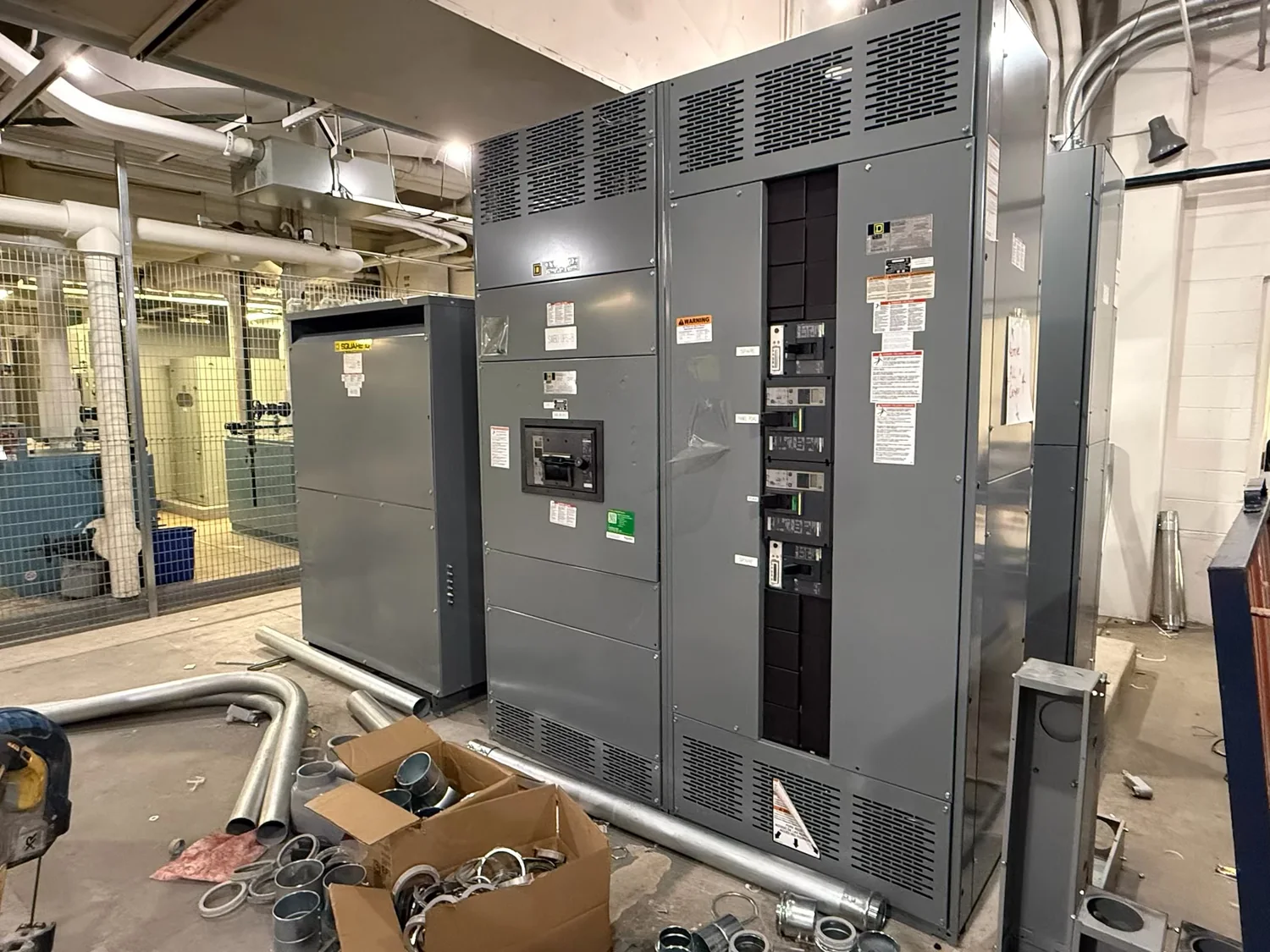
Provide clear, well-lit photographs of the full lineup from the front and, where safely accessible, the sides and rear. Include wider views that show how sections connect and close-ups of labels, visible damage, missing components, and any accessories or separate equipment included in the proposed sale. Photograph nameplates so the text can be read; do not remove covers or approach energized equipment to get a picture. If a plate is obscured or unreadable, note that rather than guessing at its contents.
Nameplate information can help the buyer identify the equipment and assess whether the offered sections belong together. Share readable manufacturer and model information, ratings, serial or catalog identifiers, and other plate details that are visible. The buyer considers all voltage classes, but this does not mean a rating should be inferred from appearance. If documentation is available, such as equipment schedules, one-line diagrams, inventory lists, or prior disposition records, it may help clarify the lineup. Share only records you are authorized to provide, and flag information that has not been verified.
Photographs and records support an initial review; they do not replace a site-specific assessment or establish a final price. The seller is not required to arrange testing for the buyer’s review. If the equipment’s operating status is unknown, say so plainly. Avoid energizing equipment or conducting tests solely to prepare a quote unless that work is separately authorized and performed under the facility’s procedures by qualified personnel.
Describe Lineup Size, Scope, and Completeness
Record the overall lineup length, height, and depth if those measurements can be obtained safely, and explain how they were measured. Add dimensions for unusually large sections, projections, or components that could affect a path through doors, corridors, or loading areas. A simple section-by-section list can be useful: identify what is included, the approximate order of sections, and whether the offer covers only the switchgear or also related equipment, loose parts, or accessories. Do not assume that adjacent equipment is included unless the scope expressly says so.
Completeness matters because a lineup may have sections, doors, barriers, controls, breakers, or other components that are missing, separated, or stored elsewhere. Describe known omissions and list loose items that are available for pickup. Note visible corrosion, impact damage, water exposure, or other condition concerns without making a technical diagnosis. If equipment has been modified or sections have been separated, explain what is known and provide photographs of the changes. Uncertainty is useful information: label it as unknown rather than presenting it as confirmed.
A floor plan or marked-up photograph can help show where the switchgear sits and how removal might proceed. Indicate nearby obstacles, overhead restrictions, tight turns, stairs, elevators, thresholds, or other access conditions that could affect rigging or loading. These details are especially useful when coordinating a project across the DC region, where building access, loading arrangements, and approved work windows may need to be confirmed with the site before removal is scheduled. Do not assume a particular facility layout or access route will be available.
Confirm Ownership, Access, and Safe Project Timing
Before a sale is considered, establish who owns the equipment and who has authority to approve its disposition. If the equipment belongs to a landlord, tenant, customer, lender, or another organization, clarify who can authorize the sale and coordinate removal. Identify the site contact who can confirm access rules, required advance notice, work-hour restrictions, loading arrangements, and any building or facility procedures. These are project details to verify, not facts to assume based on the region or type of property.
Switchgear disconnection is not seller-preparation work for unqualified personnel. De-energization, isolation, and disconnect work must be performed by qualified personnel under the site’s safety and outage procedures. Coordinate the responsible parties, timing, and any required outage window before removal planning is finalized. The buyer’s review does not authorize electrical work, override site requirements, or replace the facility’s own approvals. If the equipment is still installed or connected, state that clearly and describe what work remains to be coordinated.
Access and timing can affect whether a proposed removal plan is workable. Share known constraints such as security check-in, escort requirements, elevator or dock reservations, restricted work hours, limited vehicle access, or coordination with other contractors. Provide the site’s process for arranging access where available. Do not schedule a crew, outage, or building service until responsibilities and timing have been confirmed for the specific project.
Clarify Removal Responsibilities and Request a Review
The buyer handles crane, rigging, disconnects, loading, freight, and hauling, subject to project arrangements and site access. The parties should confirm responsibilities and the intended scope before removal, including how the equipment will be made available, what must be cleared from the work area, and whether the site can support the proposed access and timing. Although the buyer pays these removal and transportation costs, the actual plan still depends on project conditions and agreed arrangements; no particular crane, rigging method, or schedule should be assumed before review.
For an initial review, send the clear photos, readable nameplates, lineup dimensions, a description of what is included and missing, ownership or authorization details, site access information, and any known disconnection or removal constraints. Include the general location within the Washington, DC, Northern Virginia, or Maryland service area and a suitable project contact. If some information is unavailable, identify what is missing and when it may be confirmed. This lets the buyer ask focused follow-up questions instead of relying on guesses.
After reviewing the information, the buyer may make a cash offer. There is no guaranteed offer or final price before review of the relevant equipment and project details. If an offer is accepted, payment is arranged upfront; confirm the payment and removal arrangements before work is scheduled. A complete, candid description of the switchgear and its site conditions makes the next steps clearer for both sides while preserving the need for qualified personnel, site coordination, and project-specific planning.